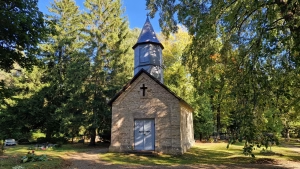
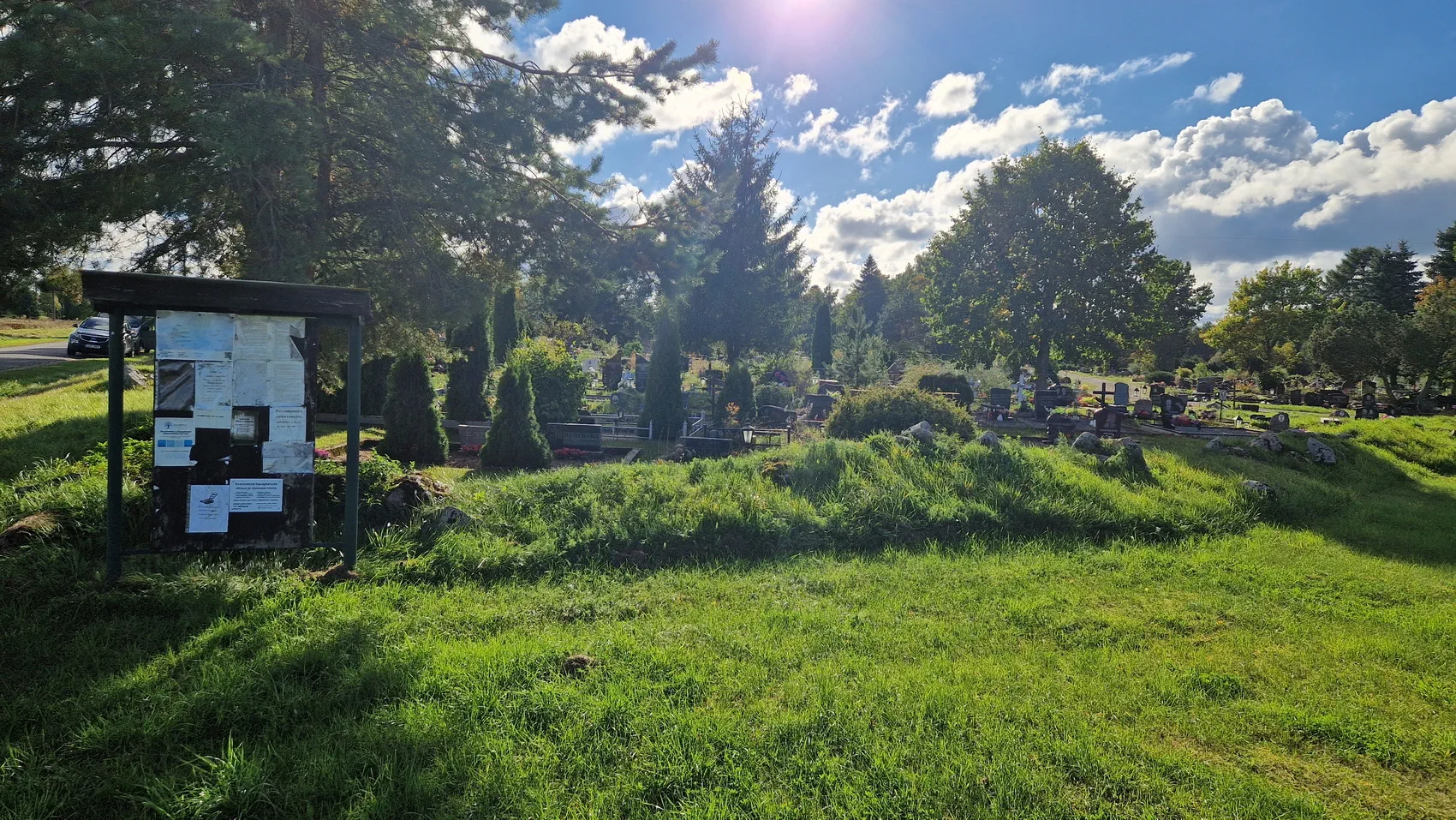
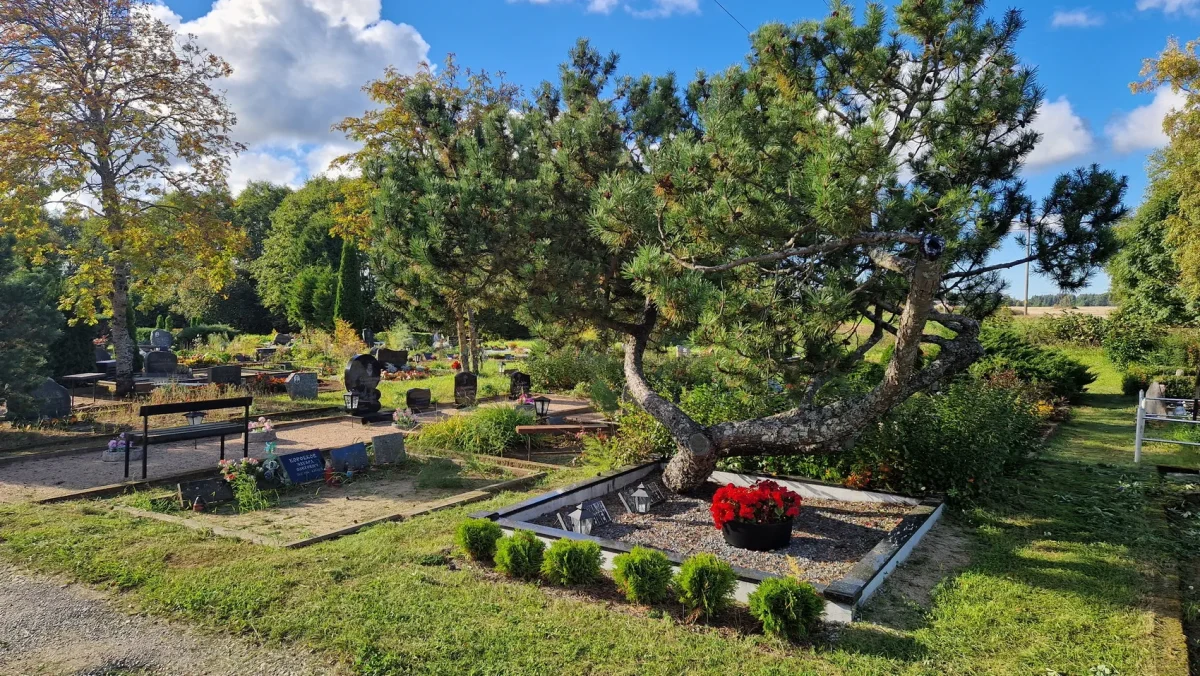
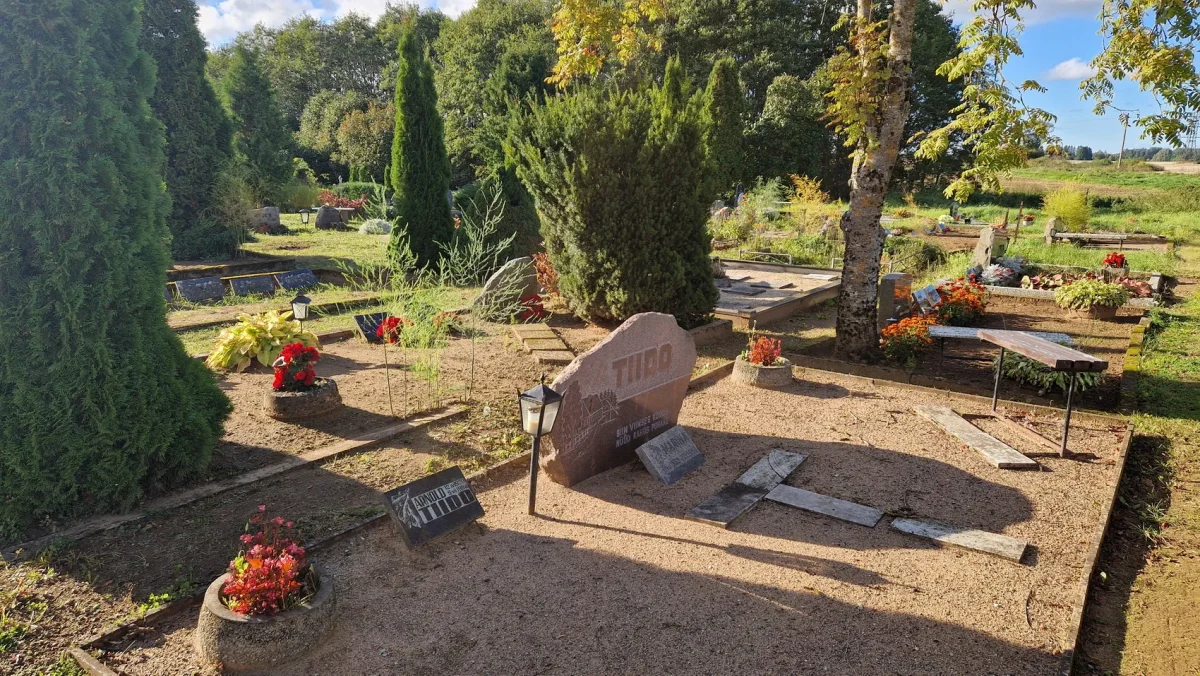
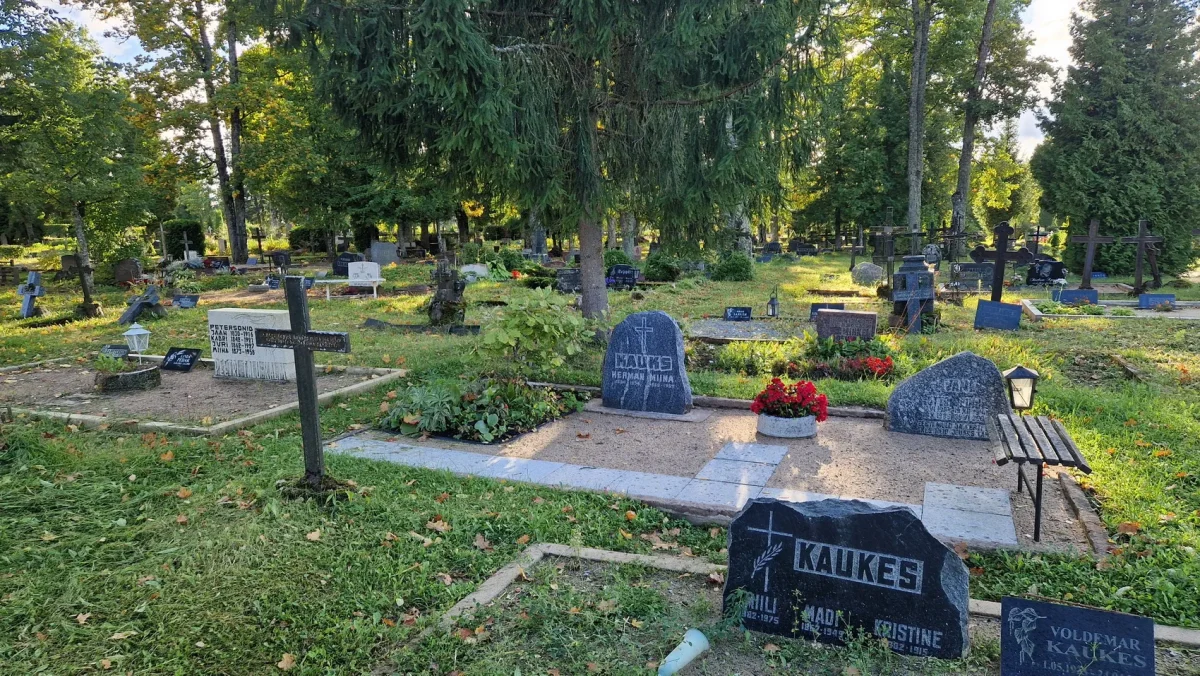
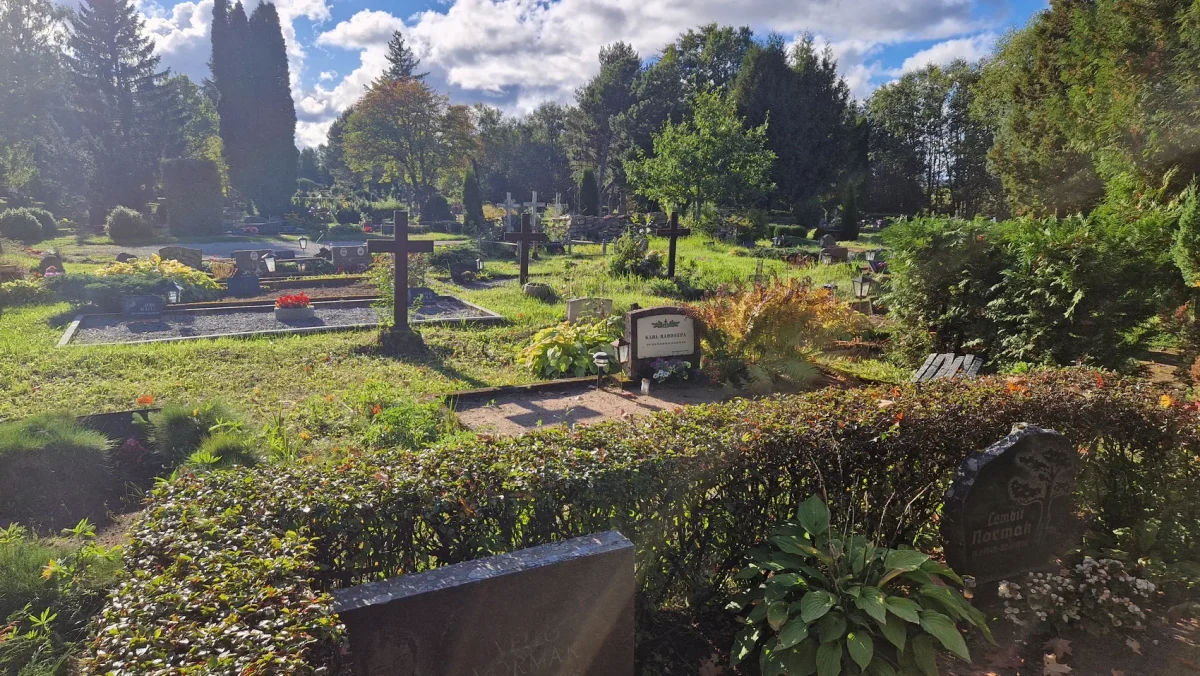
Lüganuse Cemetery is a place of remembrance for several generations of Ida-Viru County residents. Old crosses and headstones bearing inscriptions from past centuries survive alongside modern graves. The present cemetery dates back to the late 19th century, and those buried here include artists, local historians and sportspeople.
Address and location
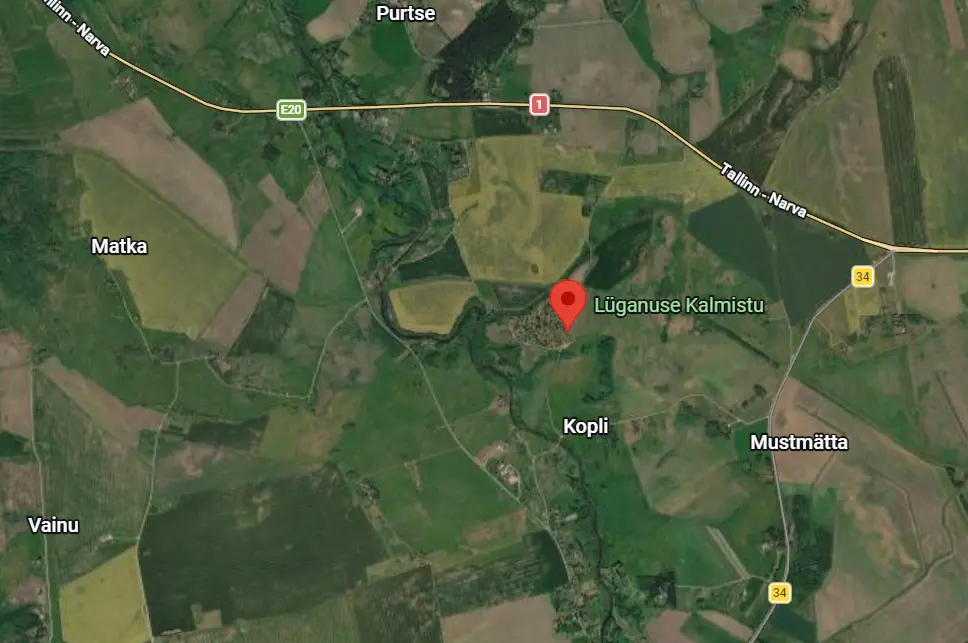
The cemetery is located between Purtse and Lüganuse, in Kopli village, Lüganuse municipality, Ida-Viru County.
For navigation, use the name Lüganuse kalmistu. There is also a churchyard cemetery, Lüganuse kirikuaed, which is a separate site.
Access and entrances
The cemetery can be reached from the Tallinn–Narva highway. There are several entrances, with no distinct main entrance. It is best to check the location of the plot beforehand and choose the nearest approach.
Visitor facilities
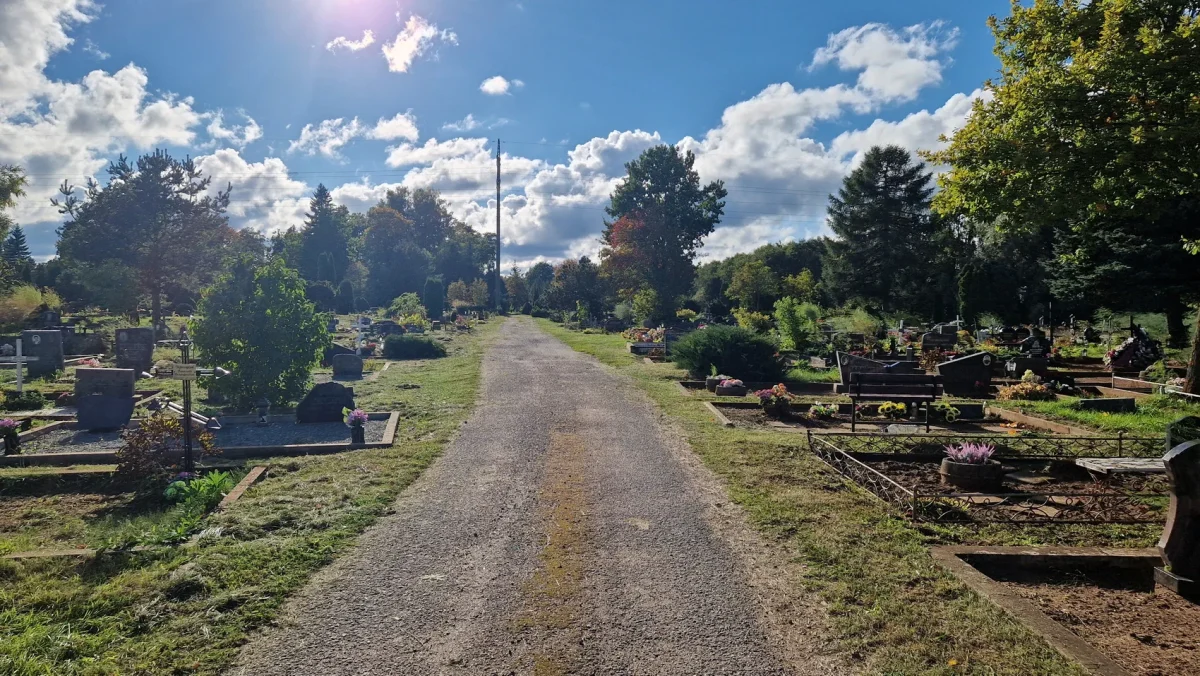
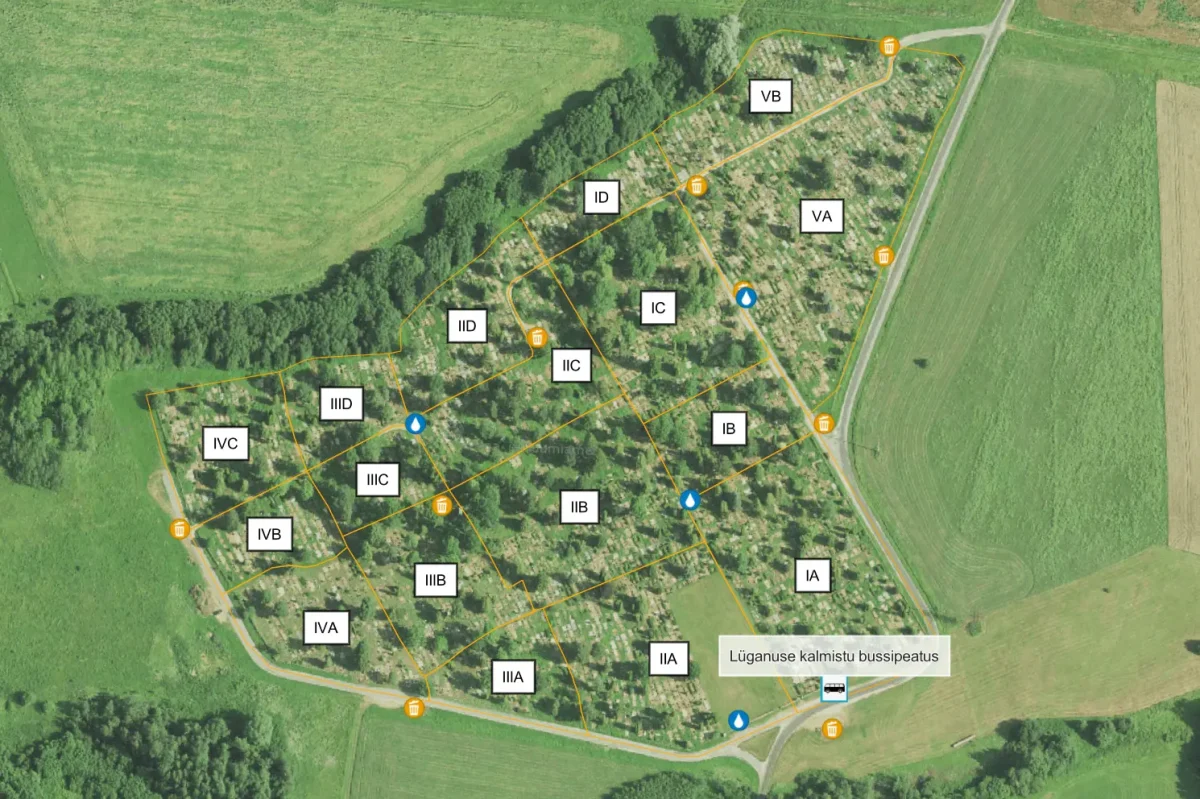
The cemetery has waste containers and water points for watering plants. These are located in designated areas, which can be found on the maps displayed on the information boards.
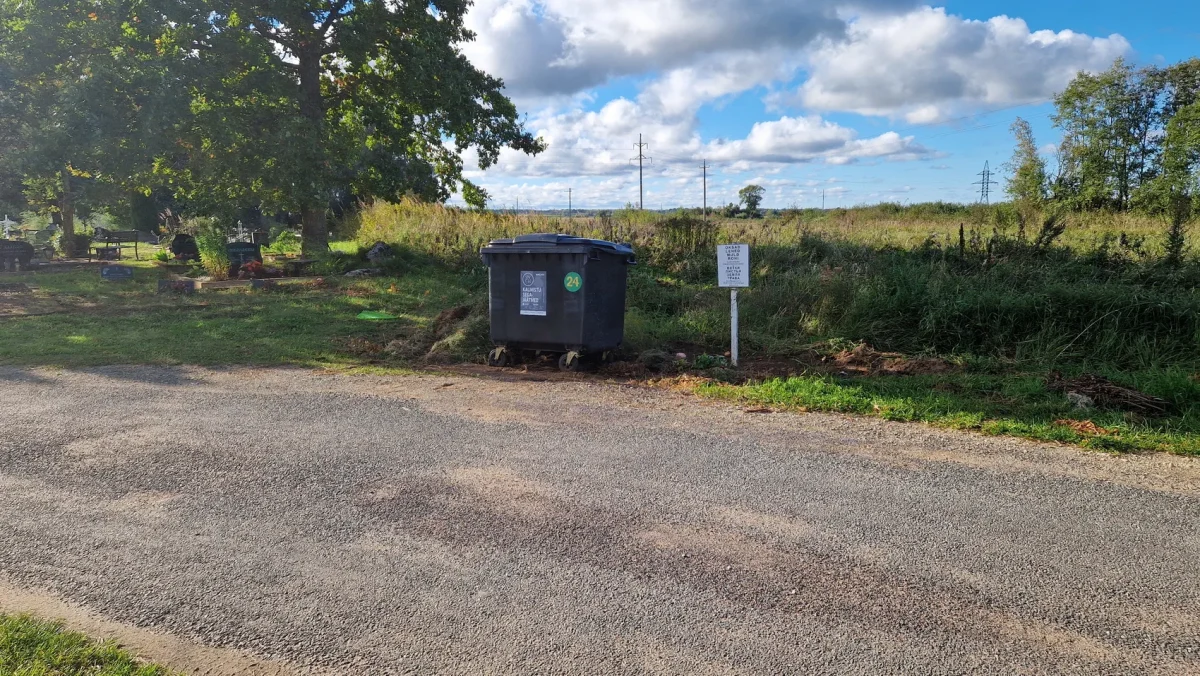
Before cleaning a grave, check the map to locate the nearest water point and waste disposal area. The municipality’s website also provides a cemetery plan and a link to an online map.
Lüganuse Cemetery Map
Map of the Lüganuse cemetery sectors showing the locations of waste containers, water supply tanks, and the bus stop.
History of the cemetery
A new burial site was chosen in 1885 on the high eastern bank of the Purtse River. The previous cemetery in Kopli had proved too wet, with graves filling with groundwater.
In March 1887, Pastor Ferdinand Walter consecrated the new cemetery, and burials began. The permit process was delayed by a dispute over the distance from the river. Once these obstacles had been resolved, a second consecration took place on 6 July 1914. This explains the different dates associated with the cemetery’s history: the selection of the site, the first burials and the final approval of its opening.
The grounds and historic graves
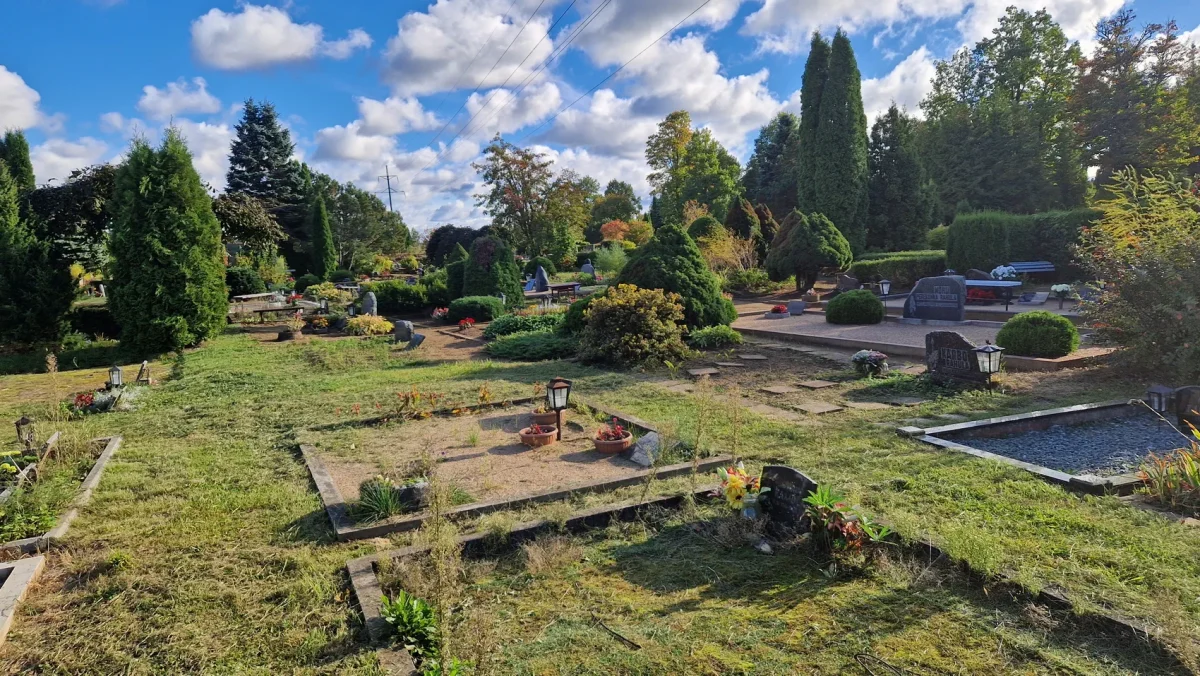
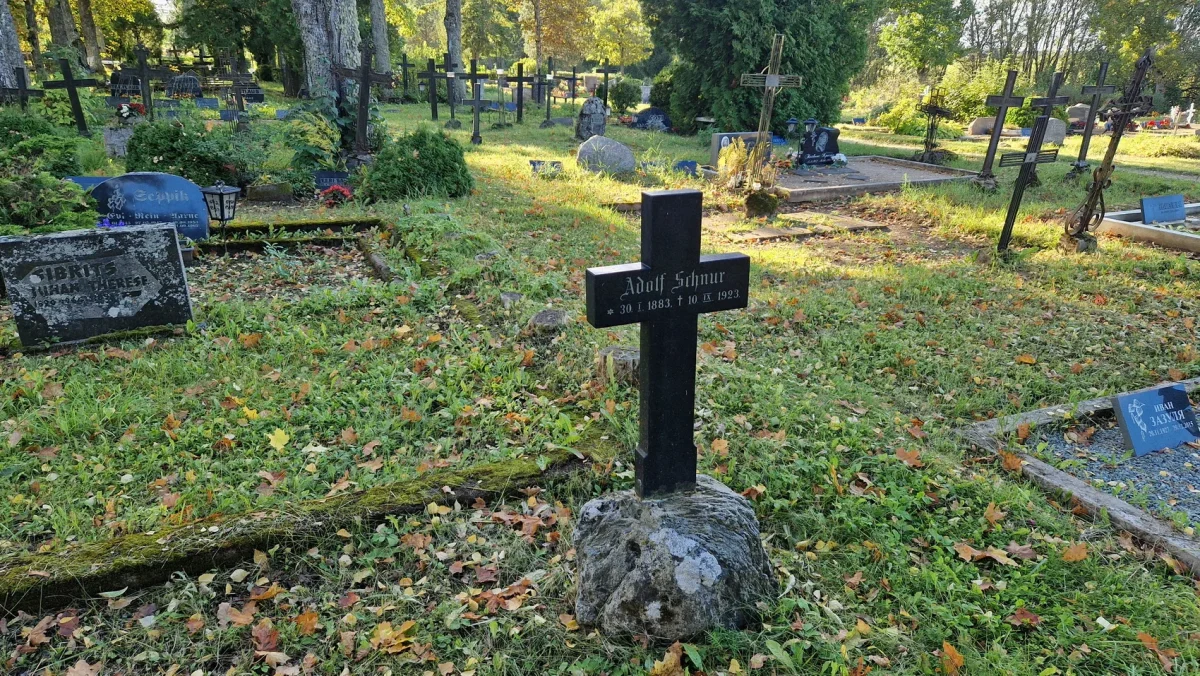
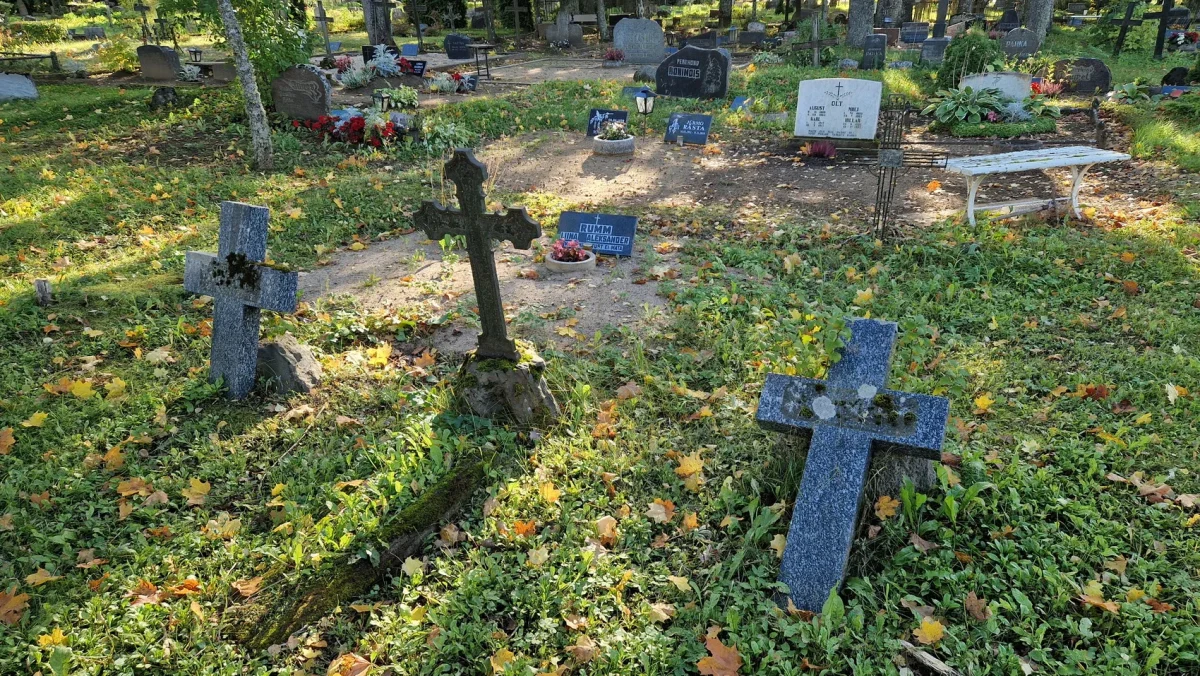
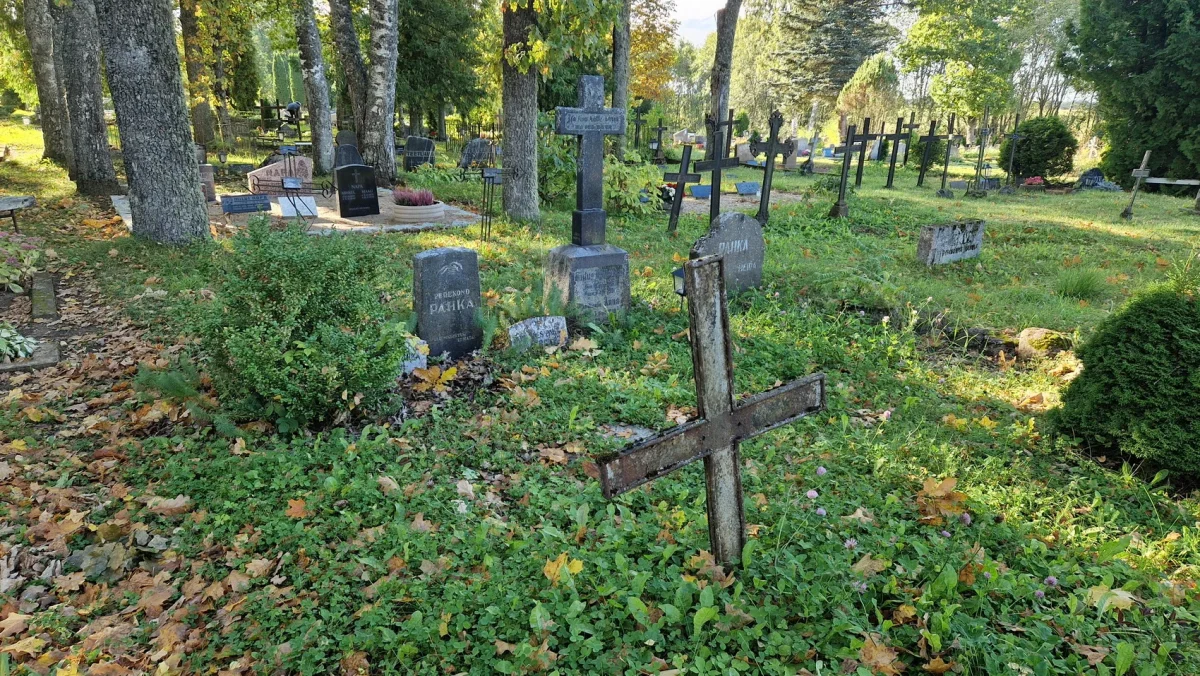
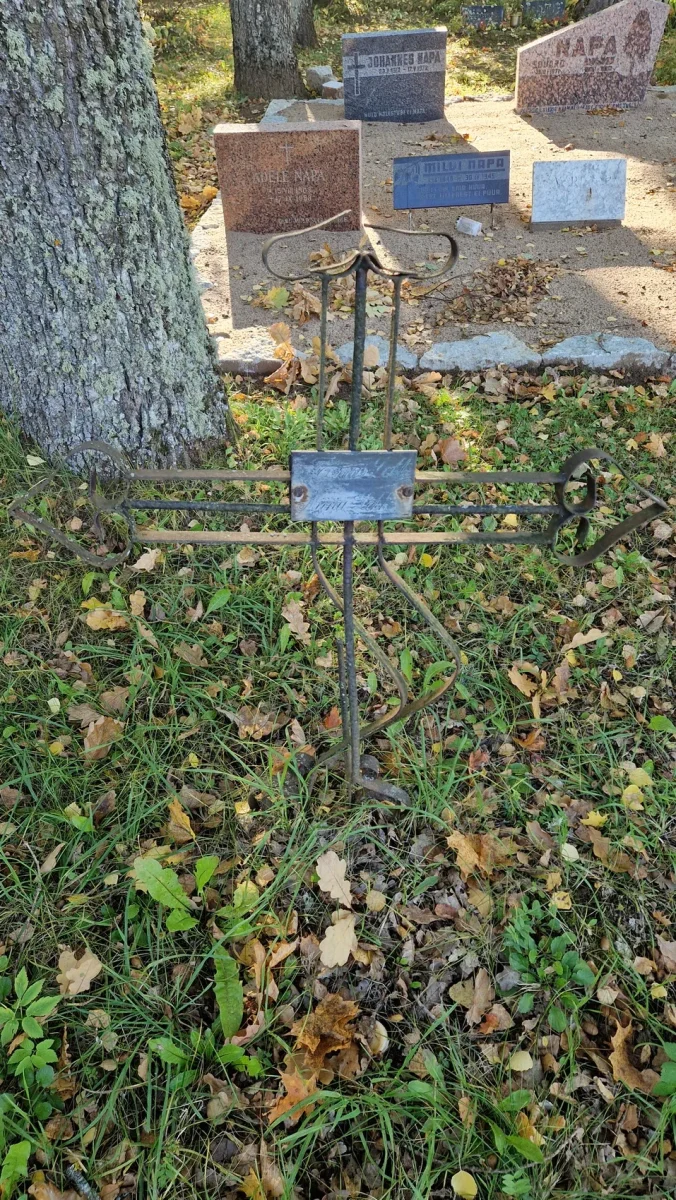
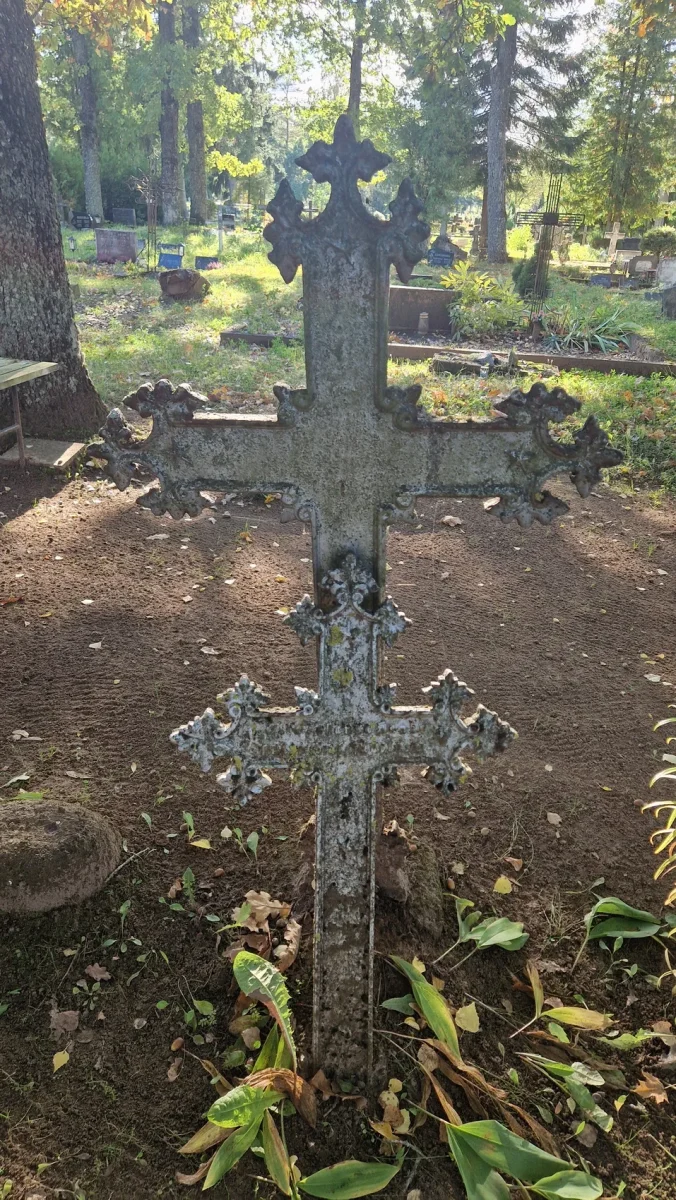
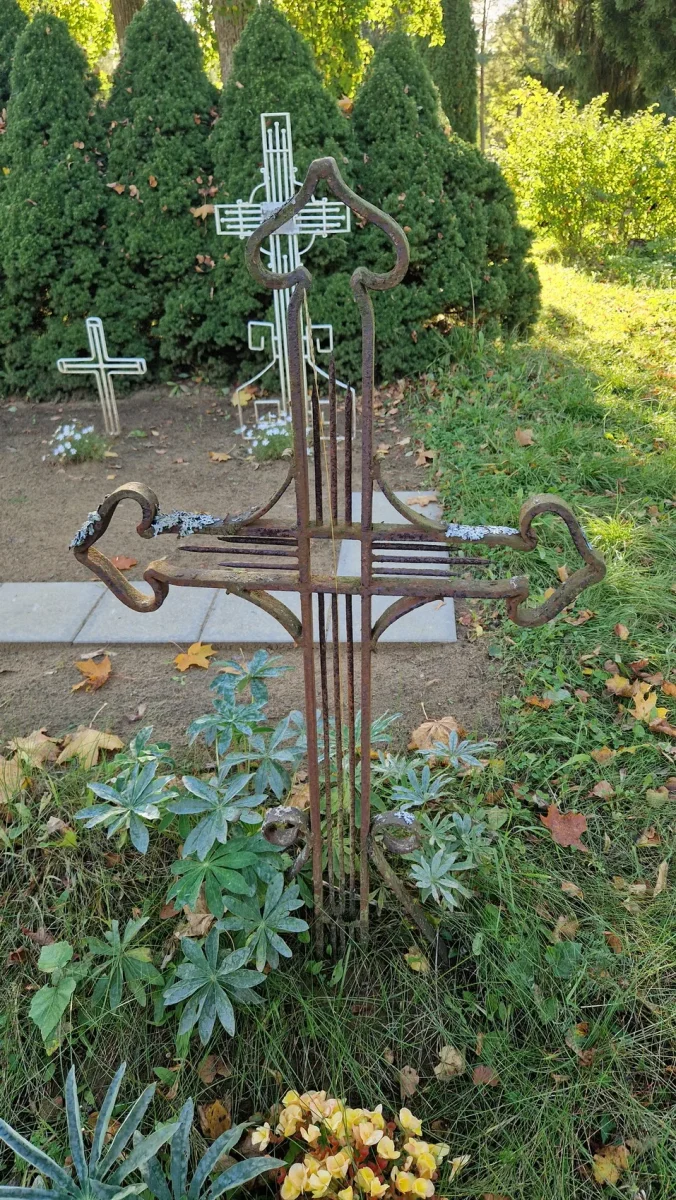
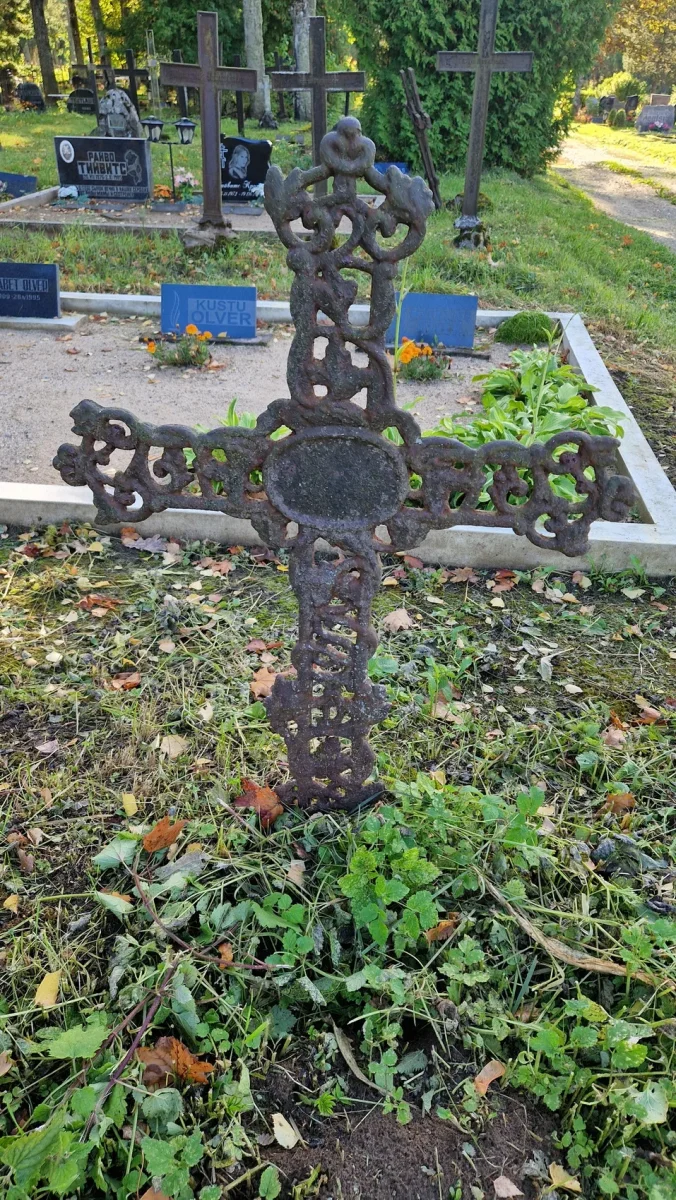
Old and new graves stand alongside one another. Some surviving crosses and headstones still bear legible surnames, dates and inscriptions from past centuries. These details reveal how grave design and traditions of family remembrance have changed over time.
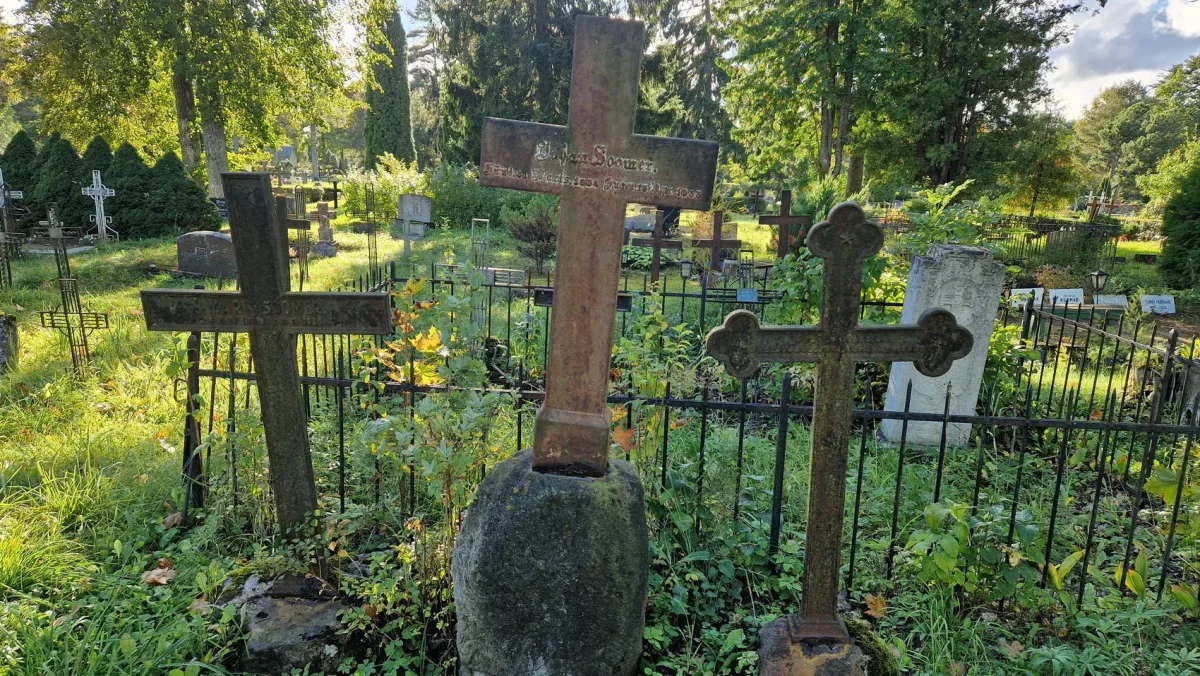
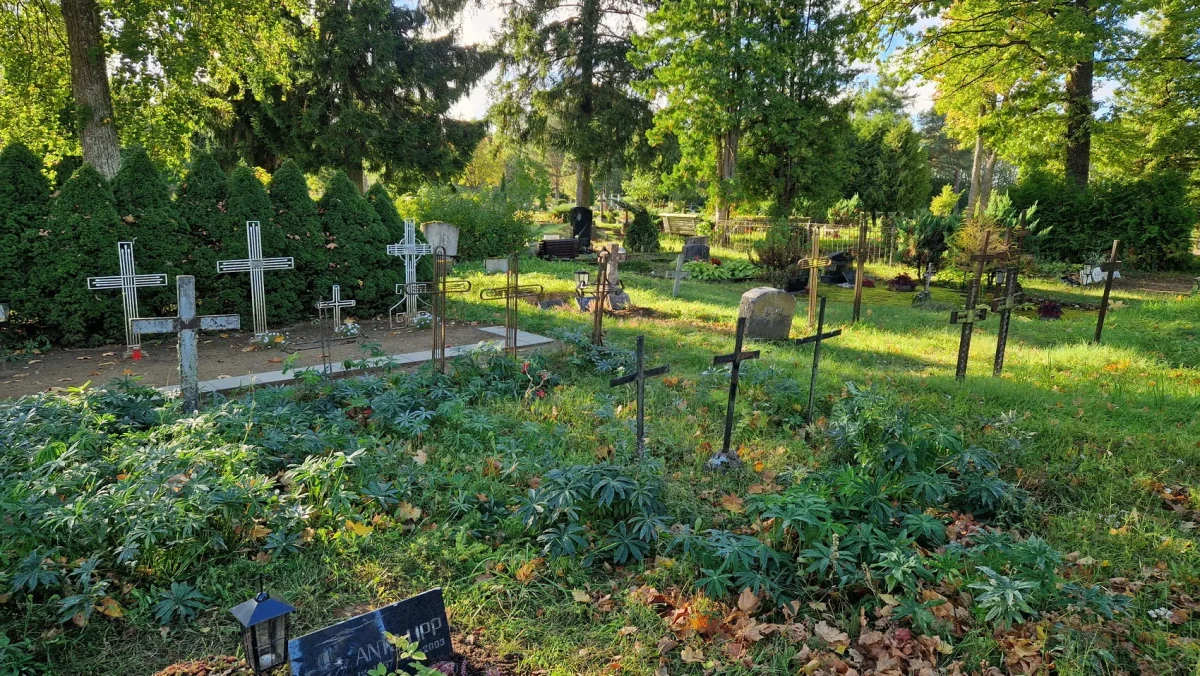
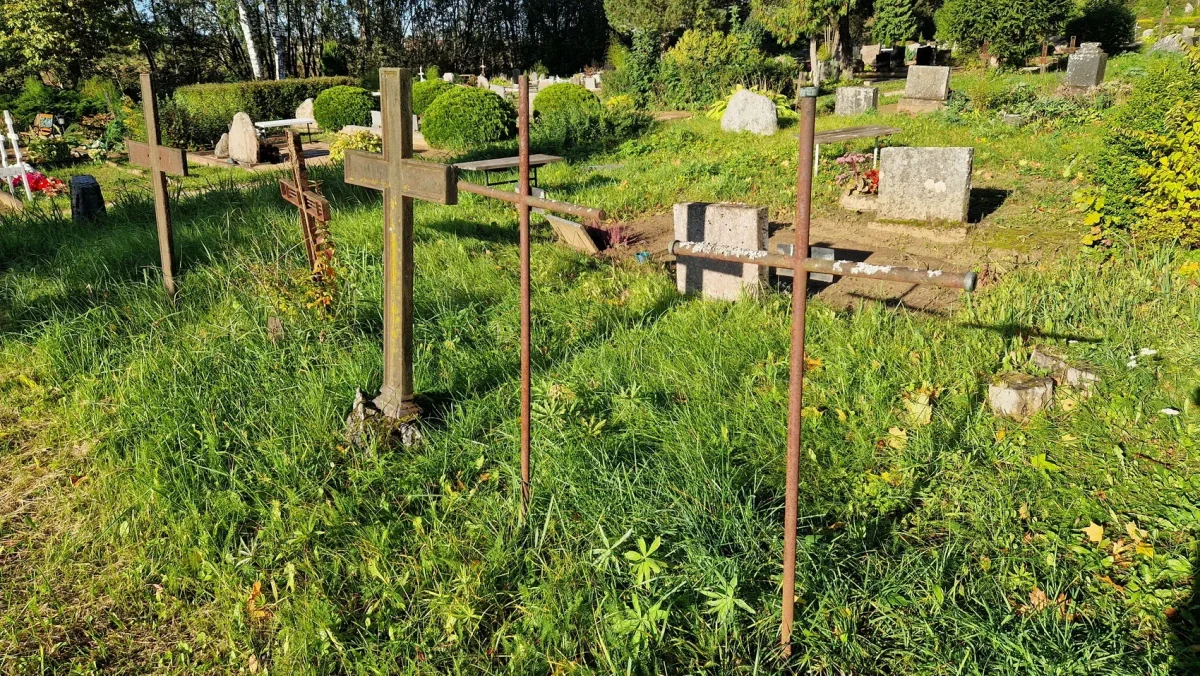
Another historic memorial is the cross commemorating the soldiers of the Northwestern Army buried here. The original cross was unveiled on 8 May 1936. According to the Eesti Sõjaajaloo Pärand military history database, the present cross follows the general design of the original but is not an exact replica.
Notable graves
Ülle Meister (1948–2021) — Estonian artist, book illustrator and watercolourist. She illustrated 130 books and textbooks and contributed to the children’s magazines Hea Laps and Täheke. Her burial at Lüganuse Cemetery is confirmed by the Haudi register.
Lembit Palm (1944–2024) — Estonian sculptor born in Purtse-Uueküla. He taught at the Estonian State Art Institute and took part in exhibitions and international gatherings of sculptors. He is buried in the Palm family plot.
Johannes Kangro (1921–1998) — artist, cartoonist, journalist and local historian. He wrote about the history and cultural life of his home region and led the local history group at the Oil Shale Museum for many years. His grave is also listed in the cemetery register.
Tõnu Eapost (1947–2014) — footballer, ice hockey player and coach. He won the Estonian championship ten times as a member of Kohtla-Järve’s Keemik ice hockey team. The sports website Sekundomer.ee identifies Lüganuse Cemetery as his burial place.
How to find a grave
You can arrange a grave search through Angelio using the deceased’s first name and surname. You can also book seasonal grave cleaning or one-off cleaning. There is no need to travel: Angelio’s team will take care of the work, helping you honour the memory of your loved ones.