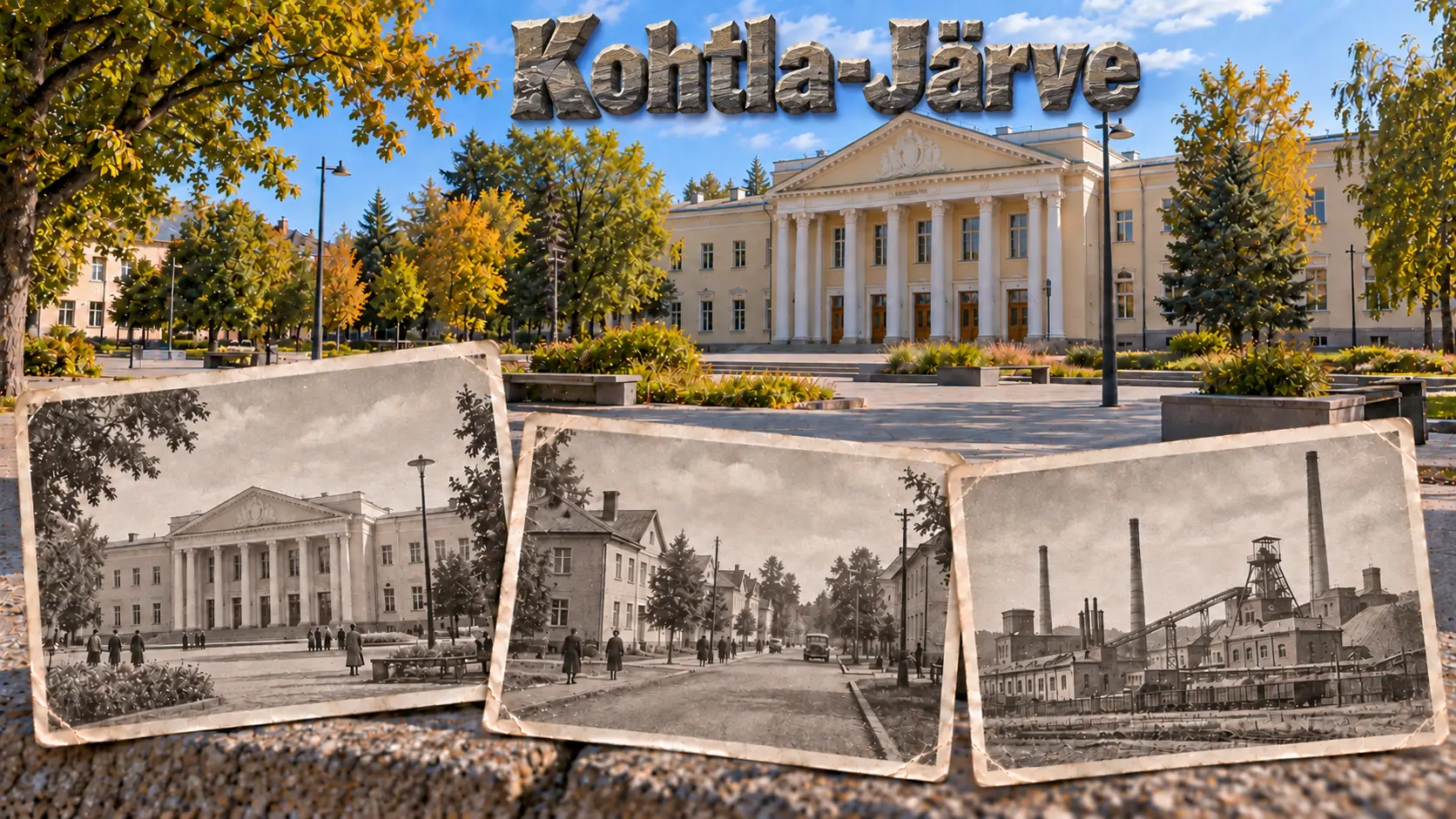
Kohtla-Järve is often associated with the oil shale industry, mines and the working history of Ida-Virumaa. Yet the memory of those who lived and worked in this region is also preserved in quieter places — its cemeteries. Family plots, old crosses and inscriptions on headstones tell the stories of different generations, local communities and individual lives.
For families with ties to Kohtla-Järve, a loved one’s grave may be located outside the city. In this overview, we introduce four cemeteries in the surrounding area: Lüganuse, Toila, Pühajõe and Raudi. Each has its own character, from old headstones and memorial sites to more recent graves amid a pine forest.
Where to find the cemeteries around Kohtla-Järve
All four cemeteries covered in this overview are located outside Kohtla-Järve. When searching for a grave, it is therefore important to know the exact cemetery name, rather than just the city where the deceased lived.
Lüganuse Cemetery is located in the village of Kopli, between Purtse and Lüganuse. Toila Cemetery lies on the outskirts of Toila. Pühajõe Cemetery is near Toila, the Pühajõgi River and Oru Park. Raudi Cemetery is located in the village of Konsu, in Alutaguse Municipality, on the road towards Kuremäe.
Lüganuse Cemetery — regional history and notable graves
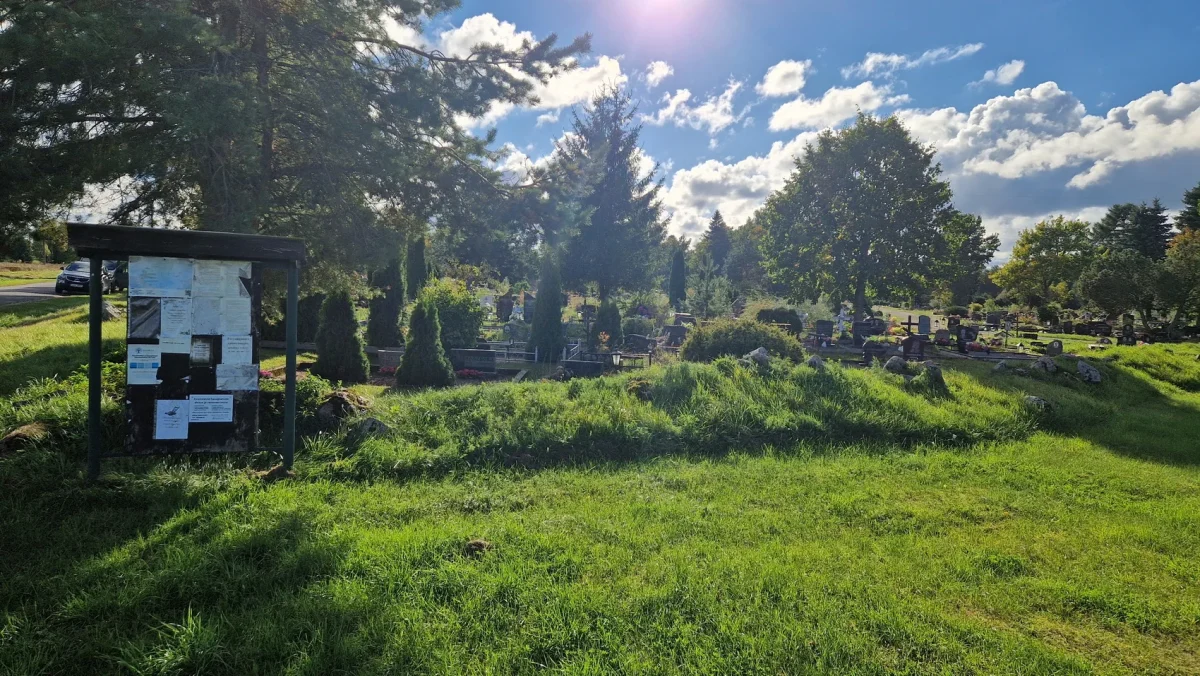
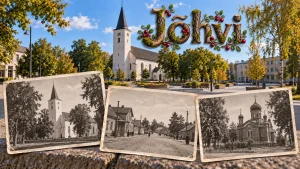
Lüganuse Cemetery — Lüganuse kalmistu is located between Purtse and Lüganuse, in the village of Kopli. It can be reached from the Tallinn–Narva highway.
The history of the present cemetery dates back to the late 19th century. A new burial site was chosen in 1885, and it was consecrated and brought into use in March 1887. Old crosses and headstones survive here alongside more recent family plots.
The cemetery also contains a memorial cross dedicated to soldiers of the Northwestern Army. Historical memorials and family graves reveal different aspects of the area’s past.
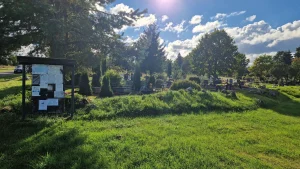
There are several entrances to the grounds. Water points and waste containers are marked on the maps displayed on information boards. Before tending a grave, it is useful to check the plan and locate the facilities closest to the plot.
When searching, it is important to distinguish between Lüganuse kalmistu and the churchyard, Lüganuse kirikuaed: these are separate burial grounds.
Toila Cemetery — a chapel and memories of cultural life
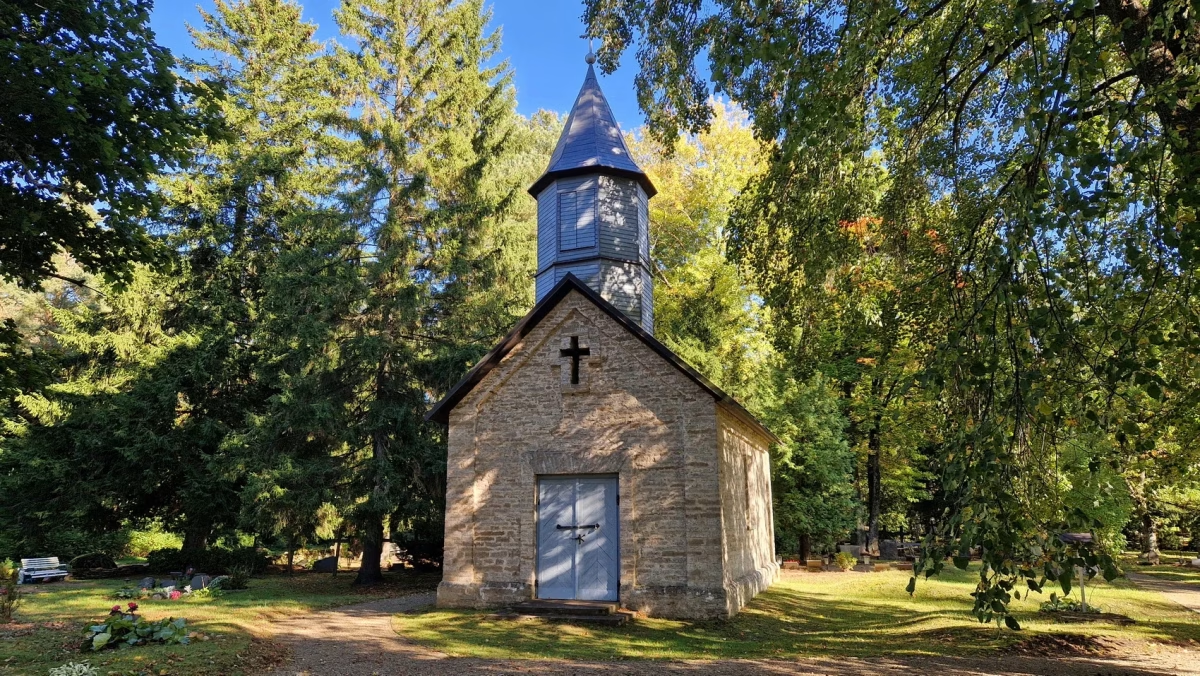
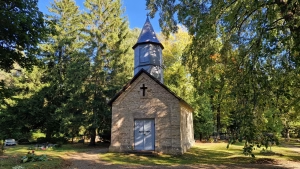
Toila Cemetery — Toila kalmistu is located on the outskirts of the settlement, on elevated ground near the Kõrve–Toila road. It was established in 1870, and a chapel was built here in 1895. The oldest graves are situated around it.
One chapter of its history is connected with the family of Igor Severyanin. His mother, Natalia Lotaryova, and his wife, Felissa Kruut-Lotaryova, are buried at Toila Cemetery. The poet himself is buried in Tallinn, but the graves of his loved ones recall his longstanding connection with Toila.
Visitors can use several entrances and a large parking area in the central section. The grounds have tools for tending graves, sand for topping up plots and containers for separate waste collection. Shared tools should be returned to their designated place after use.
Our detailed article about Toila Cemetery includes information about notable graves and a map to help you prepare for your visit.
Pühajõe Cemetery — family memories near the river and Oru Park
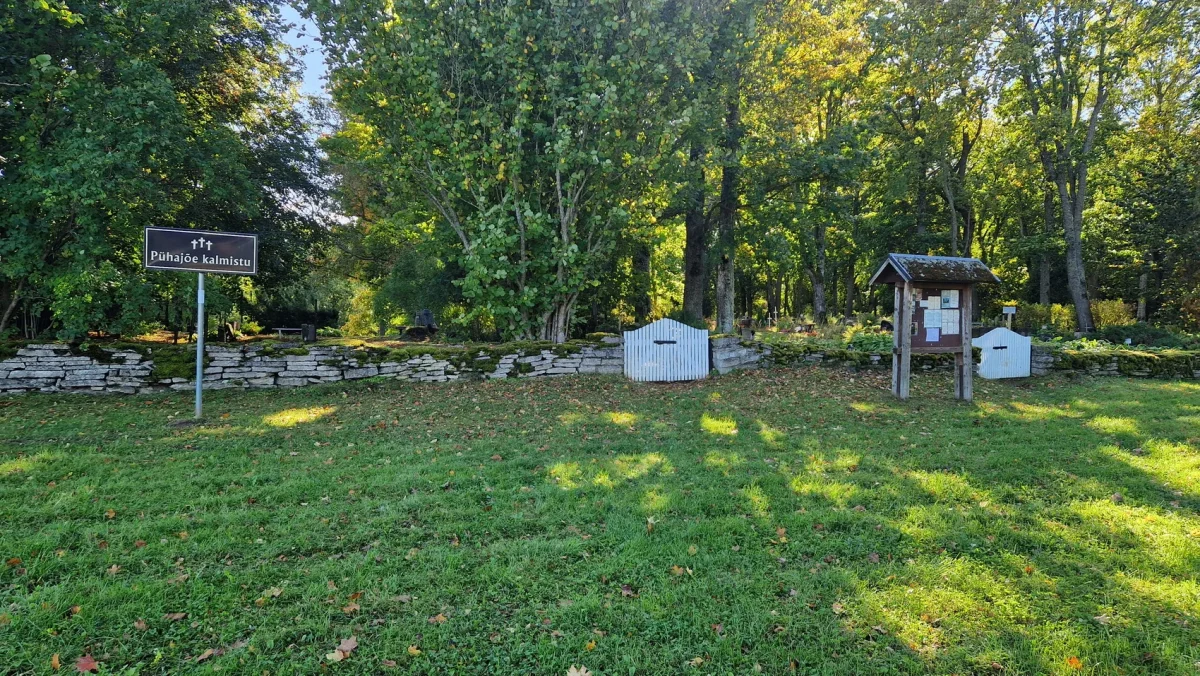
Pühajõe Cemetery — Pühajõe kalmistu is located near Toila, by the Pühajõgi River. Toila Oru Park and St Mary’s Church — Pühajõe Maarja kirik — are nearby.
Old wrought-iron crosses survive here, with distinctive shapes and decorative details. These grave markers offer an insight into local traditions and the ways people once commemorated the deceased.
The area around the cemetery also has military historical significance: traces of earthworks from the Great Northern War remain near the river. Their history relates to the surrounding landscape and does not, in itself, establish the age of the cemetery.
Some graves have signs drawing attention to a lack of maintenance. There may be various reasons for this: relatives may live far away, be unwell or no longer be able to visit independently. Caring for these graves therefore calls, above all, for sensitivity towards people and their family memories.
Raudi Cemetery — graves amid a pine forest
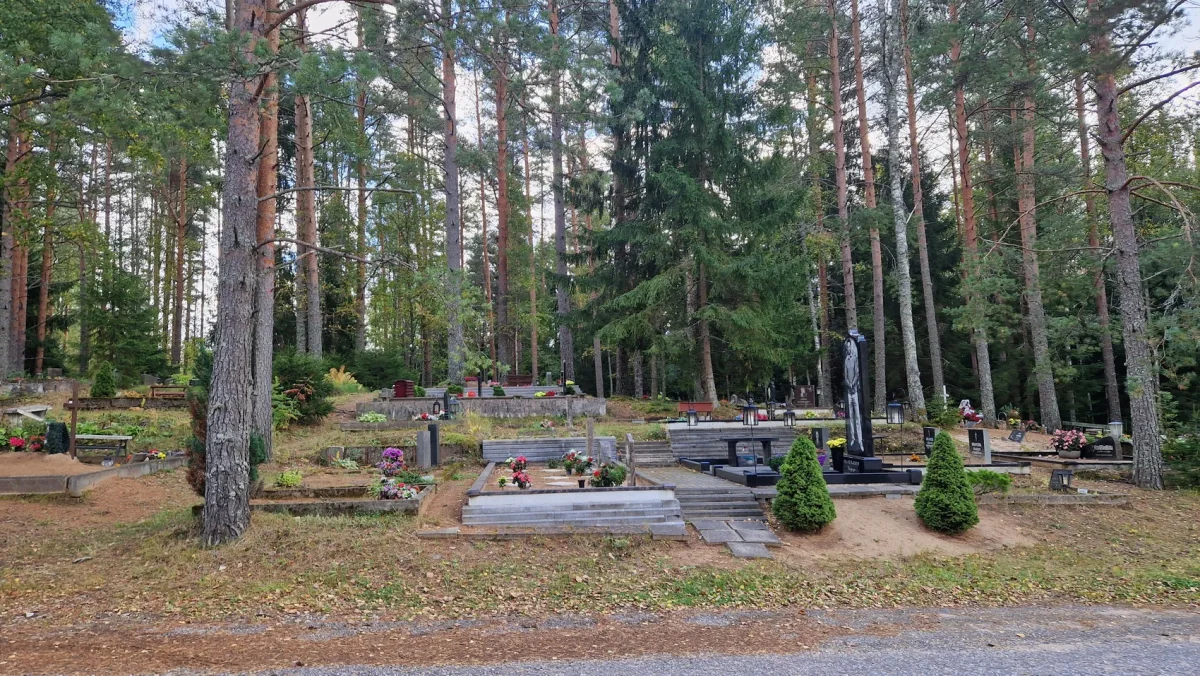
Raudi Cemetery — Raudi kalmistu is located in the village of Konsu, on the road towards Kuremäe, near Pühtitsa Convent. The surrounding pine forest shapes the character of this place.
Raudi is a large cemetery still in use. New graves appear alongside old family burial plots. Modest slabs, traditional crosses and tall monuments reflect different approaches to creating a place of remembrance.
Unlike cemeteries where a chapel serves as a prominent landmark, at Raudi it is particularly important to know the plot’s location and the nearest entrance. On the extensive wooded grounds, memories of a nearby tree or a similar headstone may not be enough.
How to find a relative’s grave
If all you know is that the person lived in Kohtla-Järve, start by establishing where they were buried. Relatives may remember the cemetery name, the nearest settlement, a church or the road they used to reach the grave.
Useful information includes the deceased’s full name, dates of birth and death, old photographs of the headstone and details of family members buried nearby. Section and plot numbers are especially helpful if they have been preserved in documents.
You can try searching for a record in an online cemetery register. Check different spellings of the first name and surname, including versions written in the Latin alphabet. Older documents may contain abbreviations and errors, and some information may be incomplete.
Grave care in and around Kohtla-Järve
Family memories are preserved through regular care: removing branches, clearing weeds, tending the headstone and bringing flowers. For older people and relatives who live far away, even small tasks can become difficult.
Angelio helps find burial sites and provides grave care at Lüganuse, Toila, Pühajõe and Raudi cemeteries. You can arrange a one-off cleanup or regular seasonal care, headstone cleaning, flower laying and the placement of memorial candles.
When contacting us, please provide the cemetery name, the first name and surname of the person buried there, any known details of the plot’s location and, if possible, photographs. We will agree on the work required and provide a photo report once it is complete.