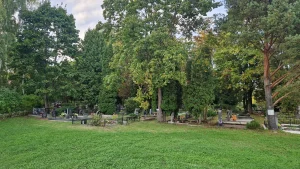
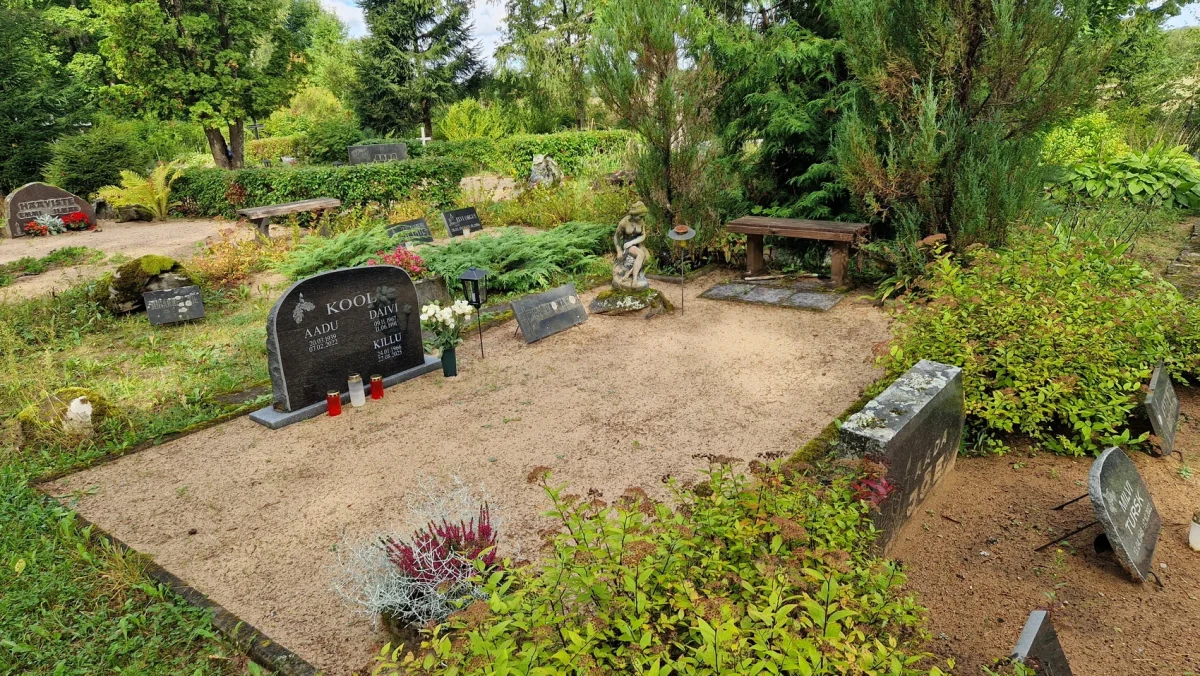
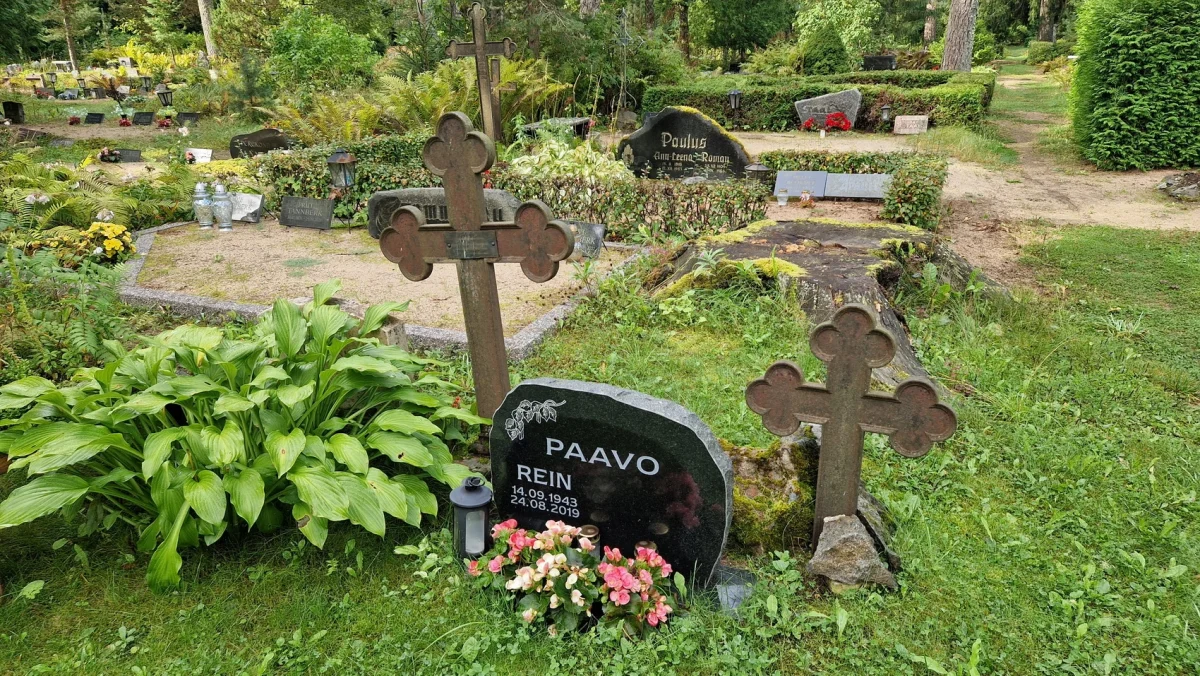
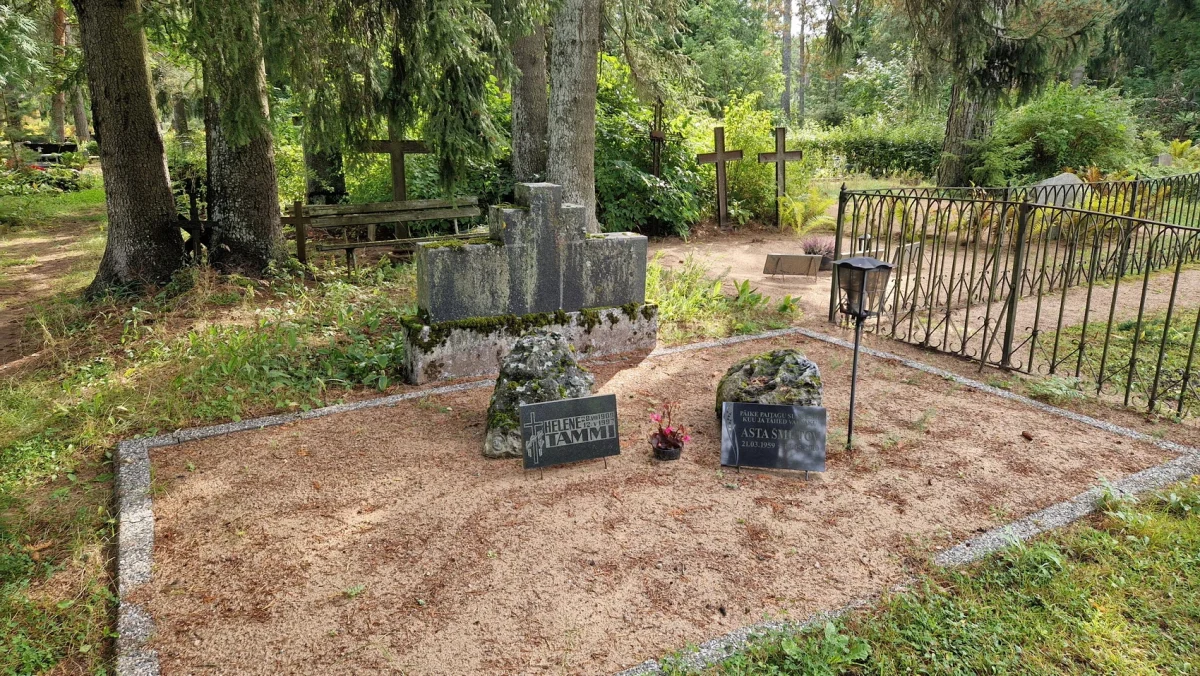
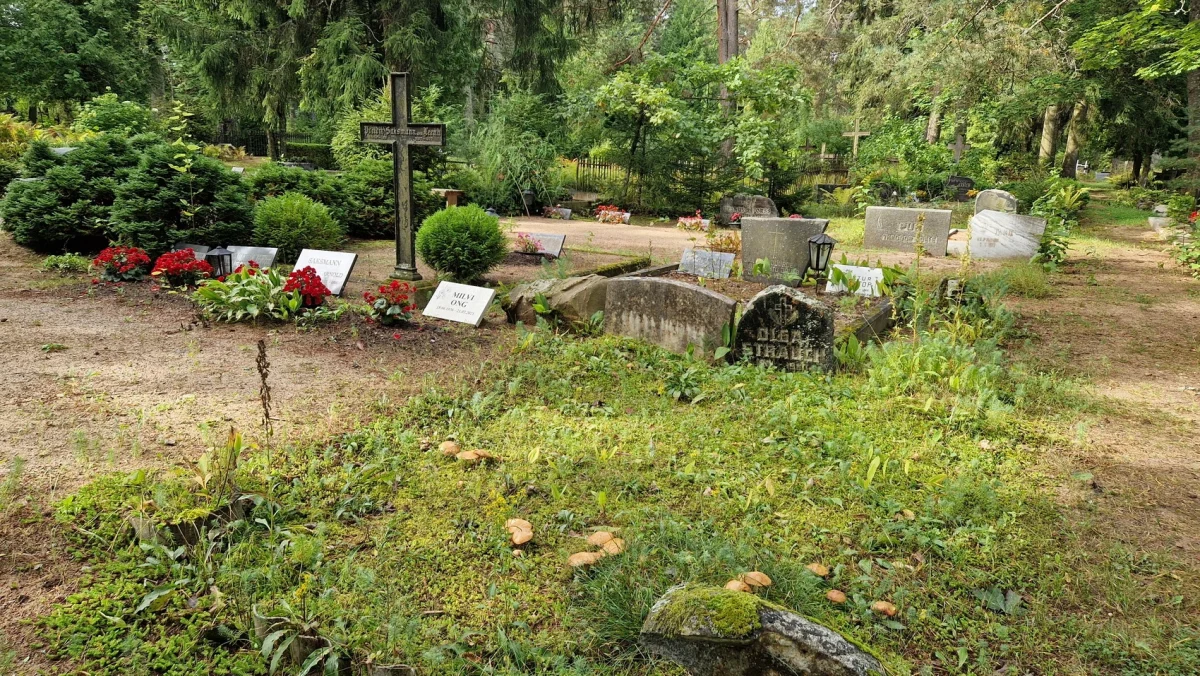
Haljala Cemetery is located in the village of Haljala, Haljala Parish, Lääne-Viru County. The cemetery was established in 1786 and is recognised as a cultural heritage site in Estonia.
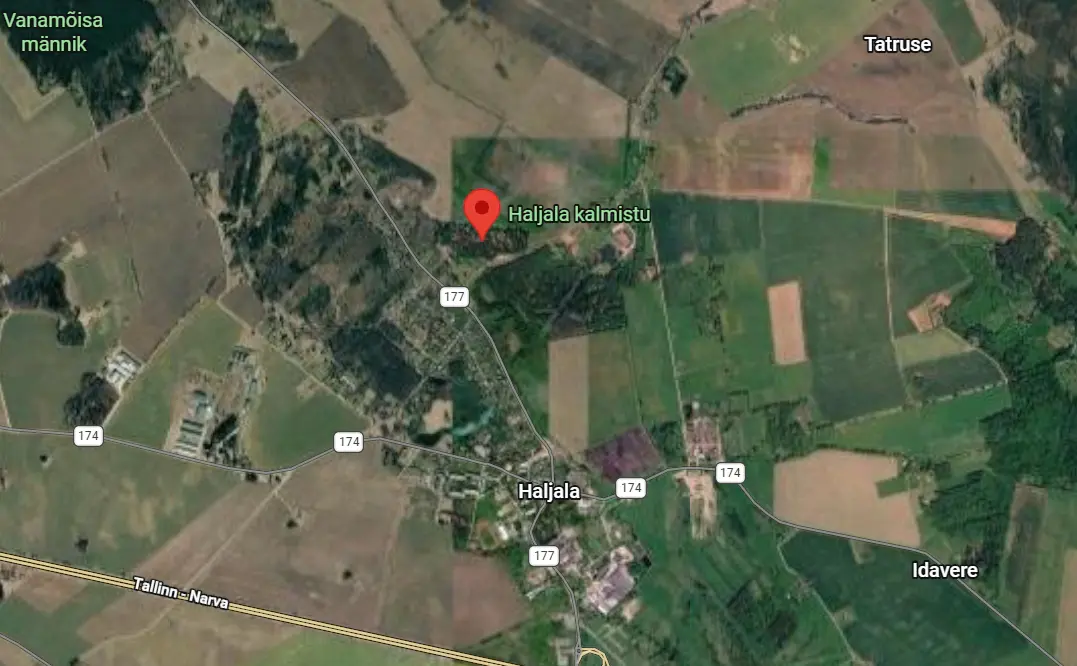
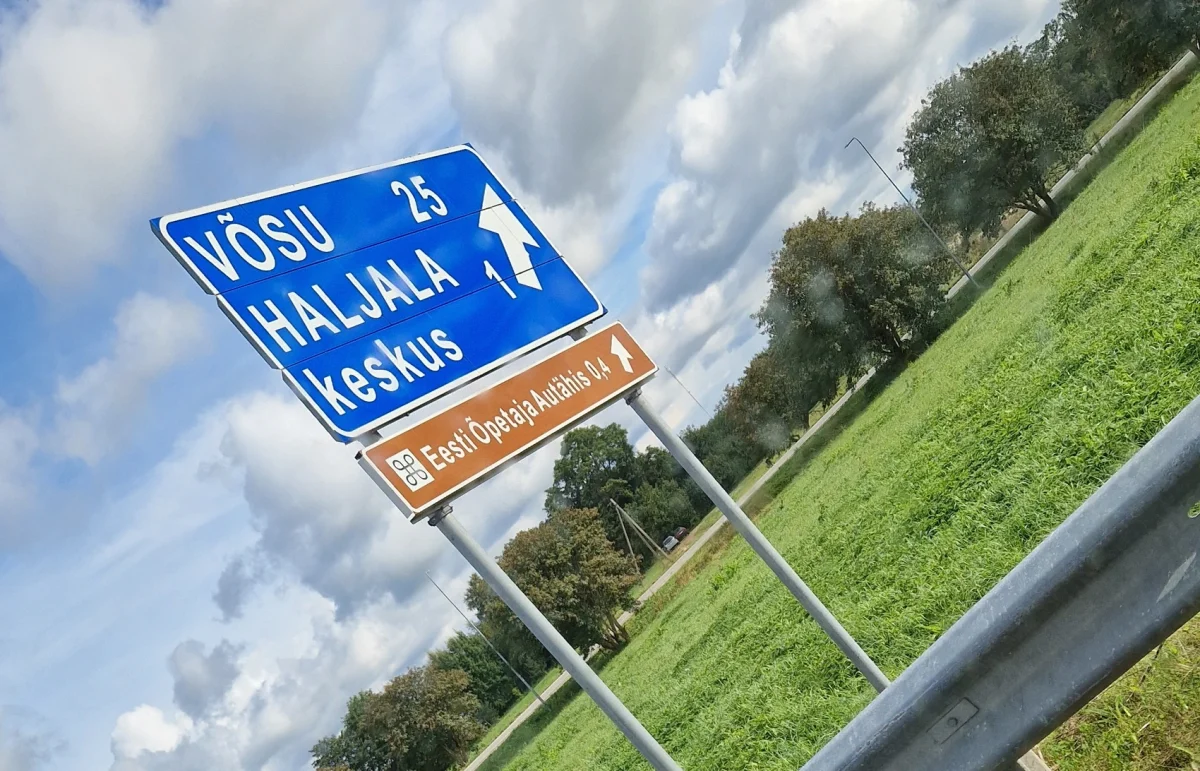
Where is Haljala Cemetery located?
The cemetery is located on the outskirts of Haljala, near the main road. It is a peaceful historic site where old gravestones, family plots and monuments connected with Estonian history have been preserved.
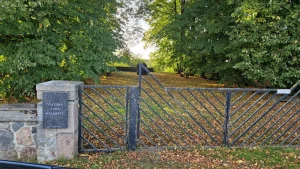
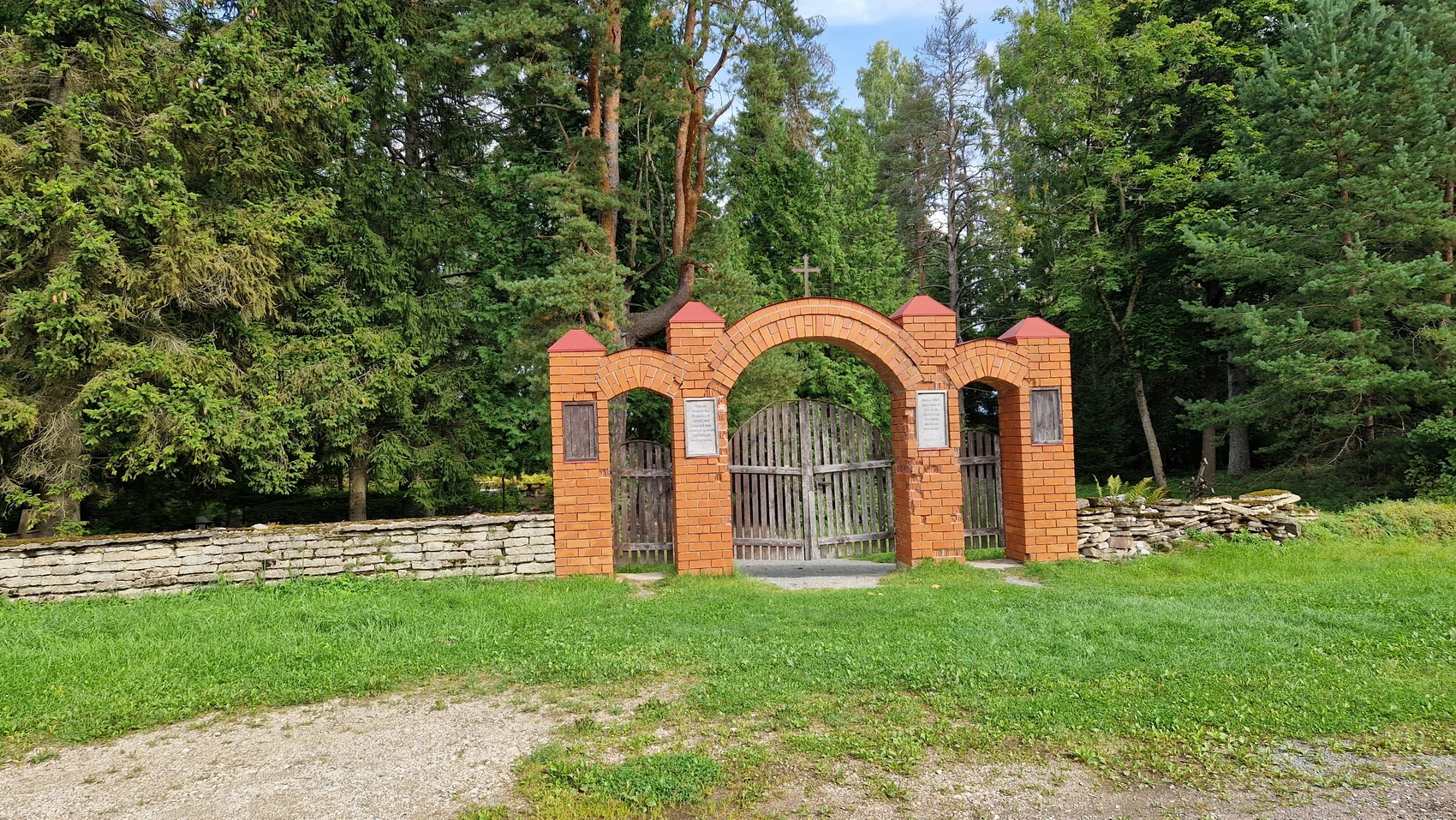
There is one main entrance with a parking area. The entrance to the cemetery is framed by a distinctive red-brick arch, which is clearly visible from the road.
The Chapel at the Cemetery
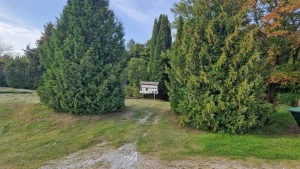
A small wooden chapel is located in Haljala Cemetery. It gives the grounds a special atmosphere and is one of the cemetery’s most notable structures.
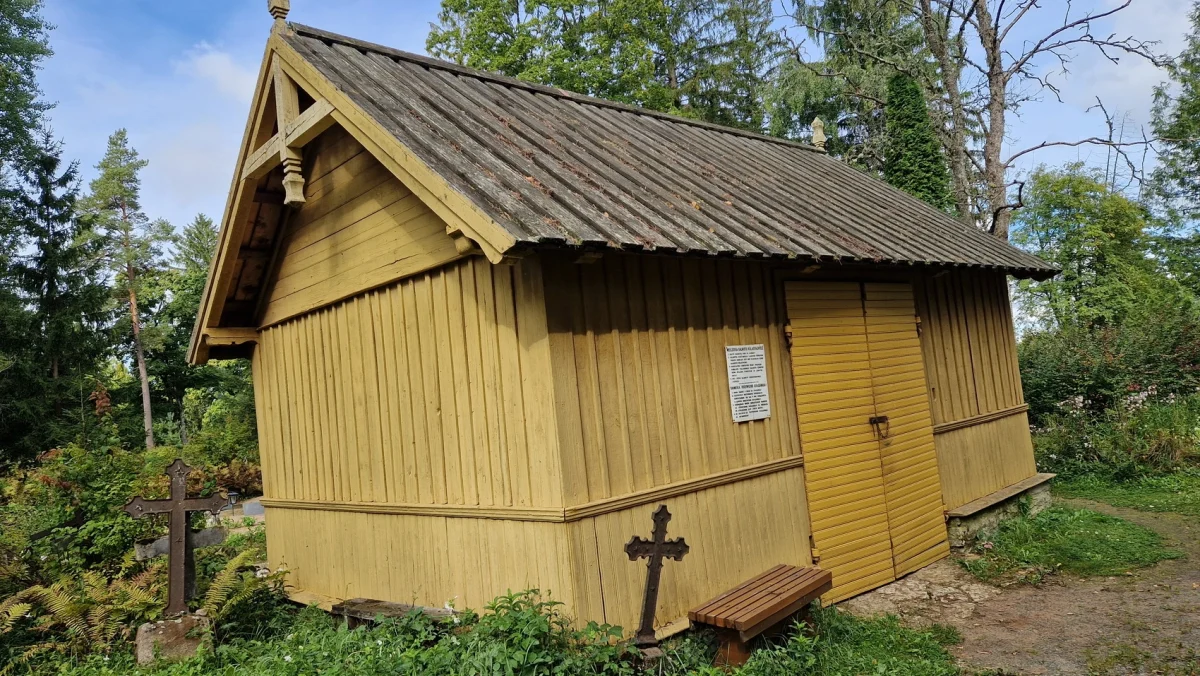
A monument to those who fell in the Estonian War of Independence stands next to the chapel.
Visiting Conditions
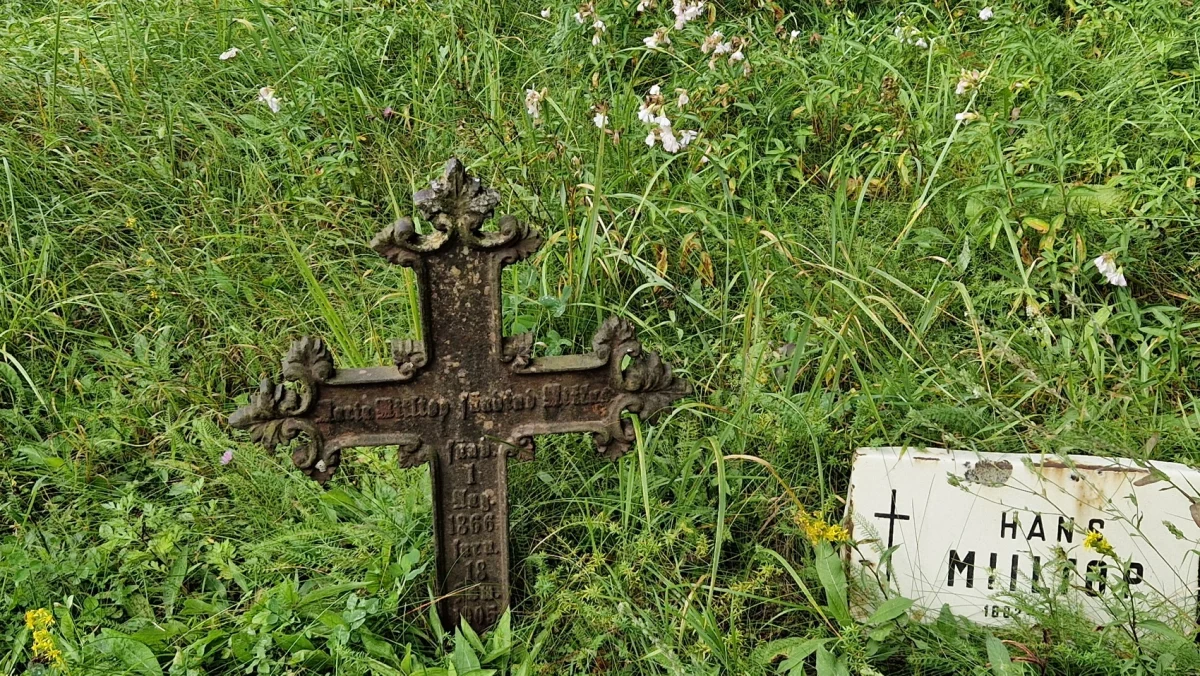
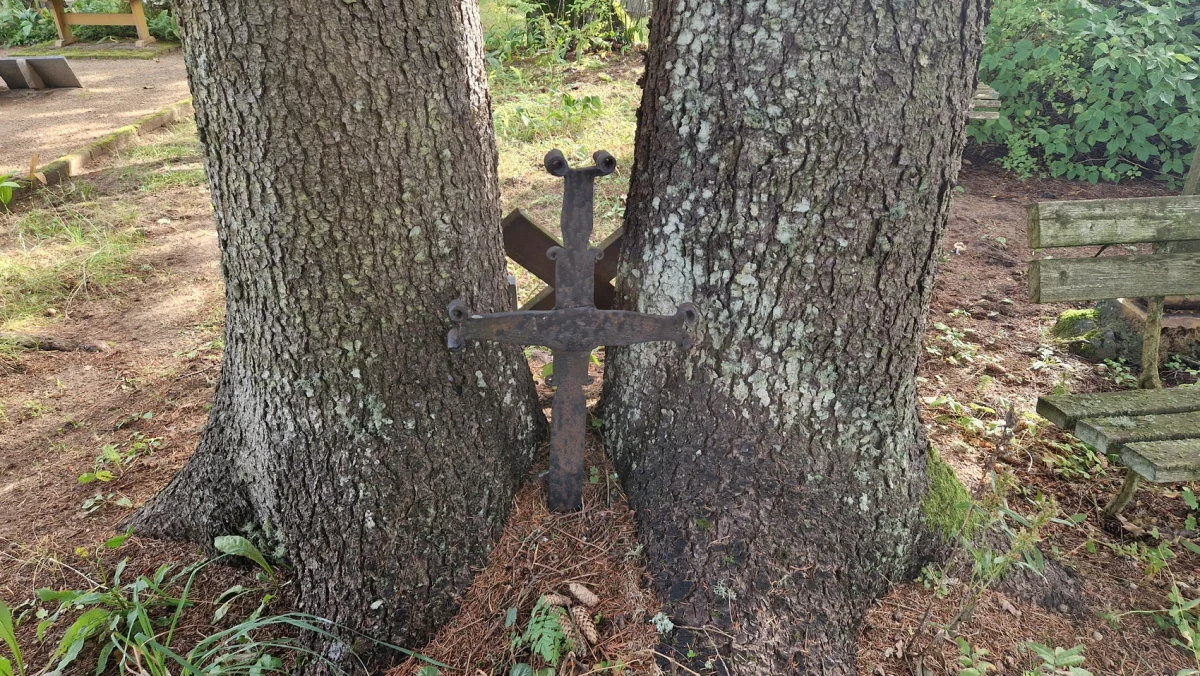
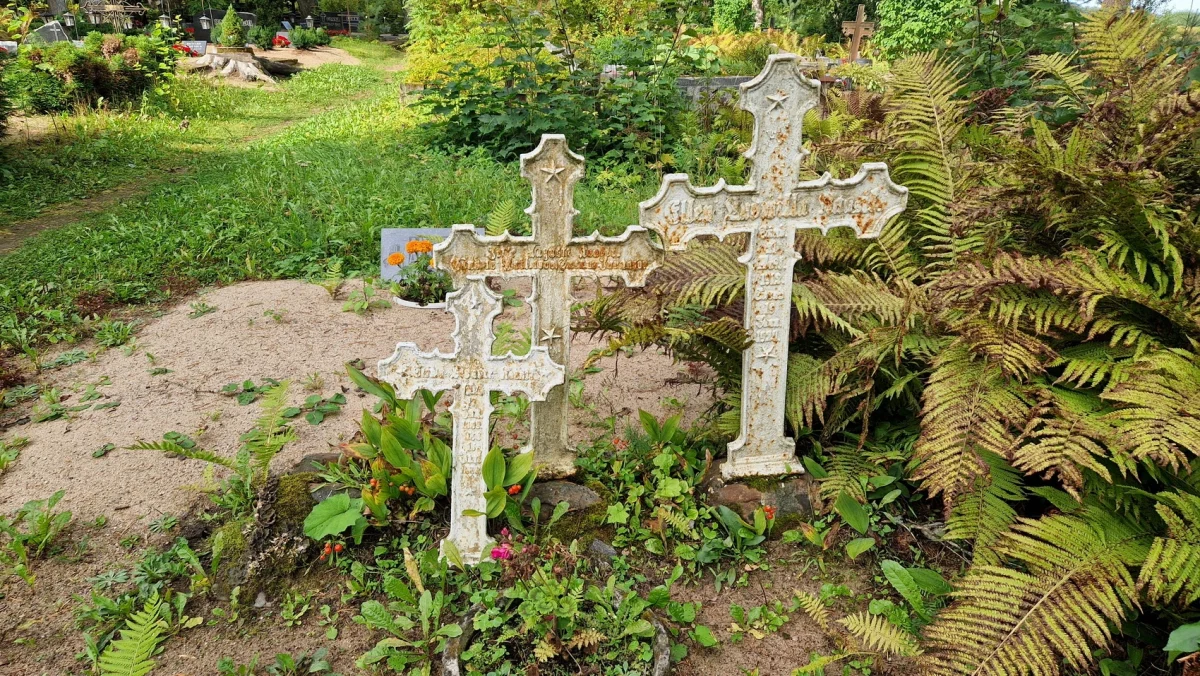
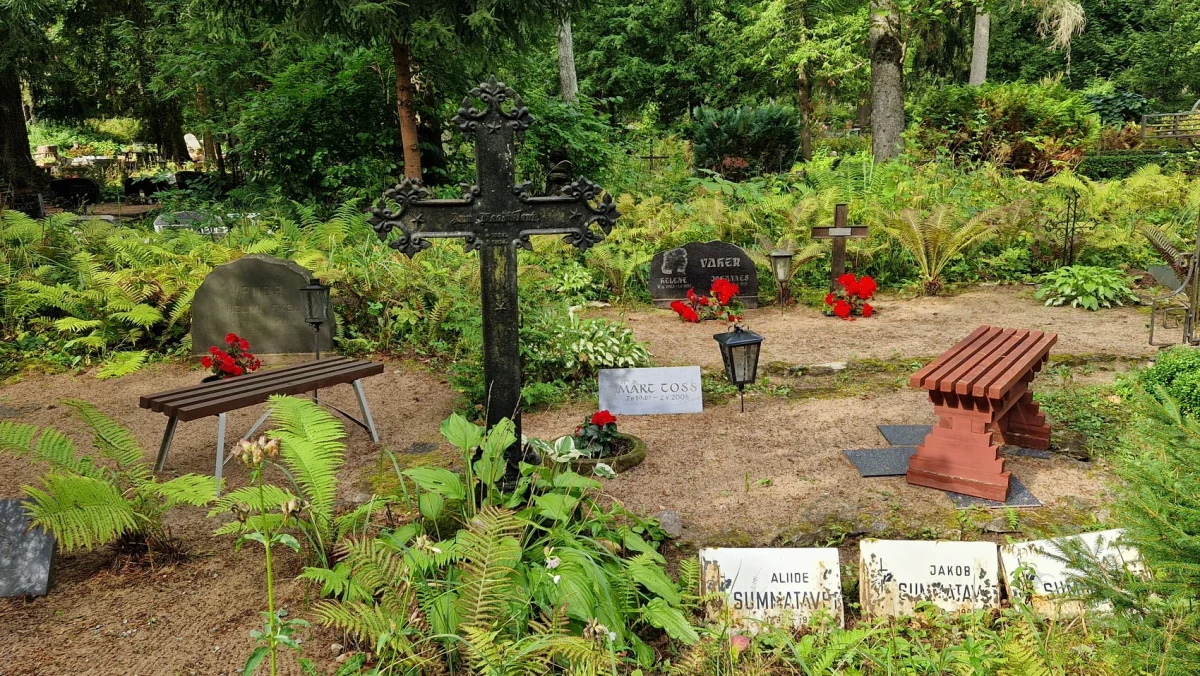
The cemetery has a historic character. There are few clearly defined paths, so reaching some graves may be difficult, especially in wet weather or during the summer, when the vegetation becomes denser.
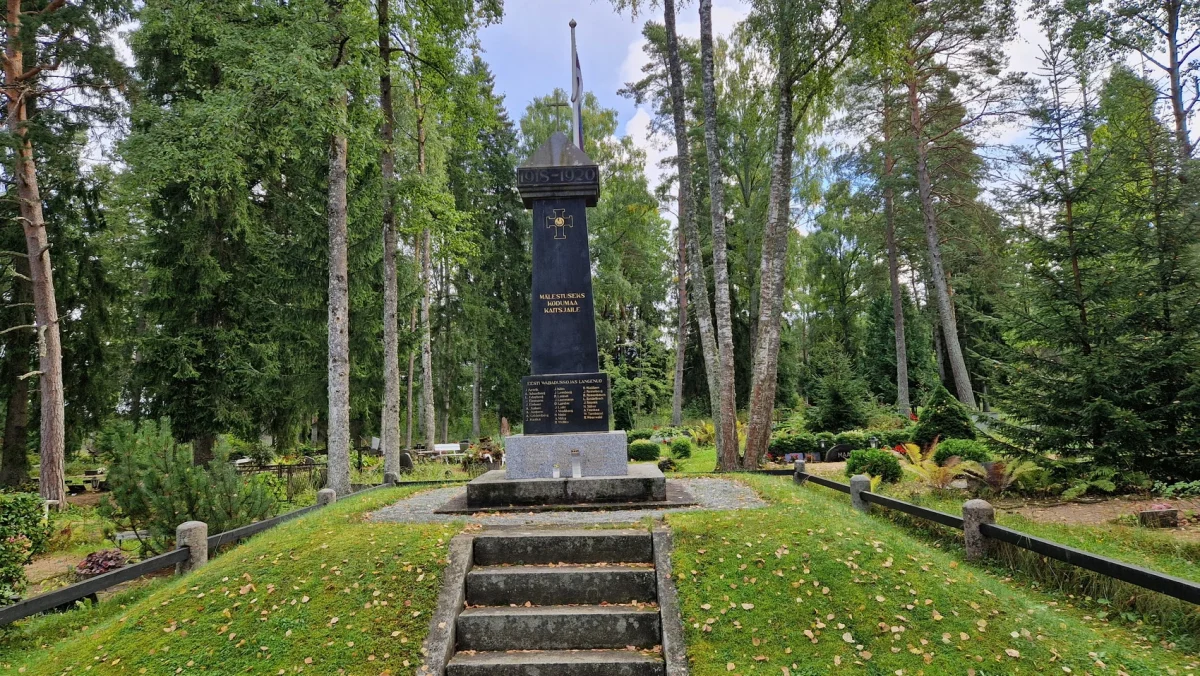
Monument to the Estonian War of Independence
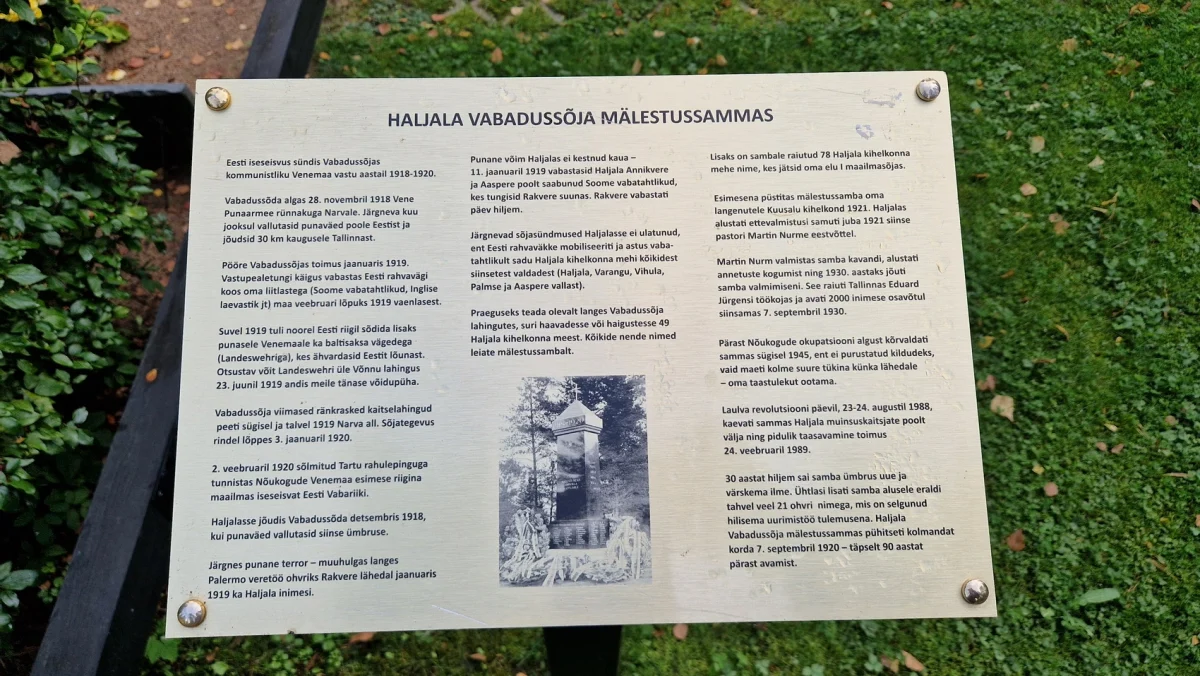
Opposite the chapel stands a monument dedicated to the victims of the Estonian War of Independence of 1918–1920.
The original monument was unveiled on 7 September 1930. It was blown up in 1945, but the foundation of the structure survived. On 24 February 1989, a new monument was erected in the same location — an exact copy of the historic monument. History of the monument
The monument commemorates the people of Haljala and the surrounding area who died during the struggle for Estonian independence.
Notable People Buried at Haljala Cemetery
Haljala Cemetery is the final resting place of several notable people who made a significant contribution to Estonian culture, journalism, cinema, psychology and public service.
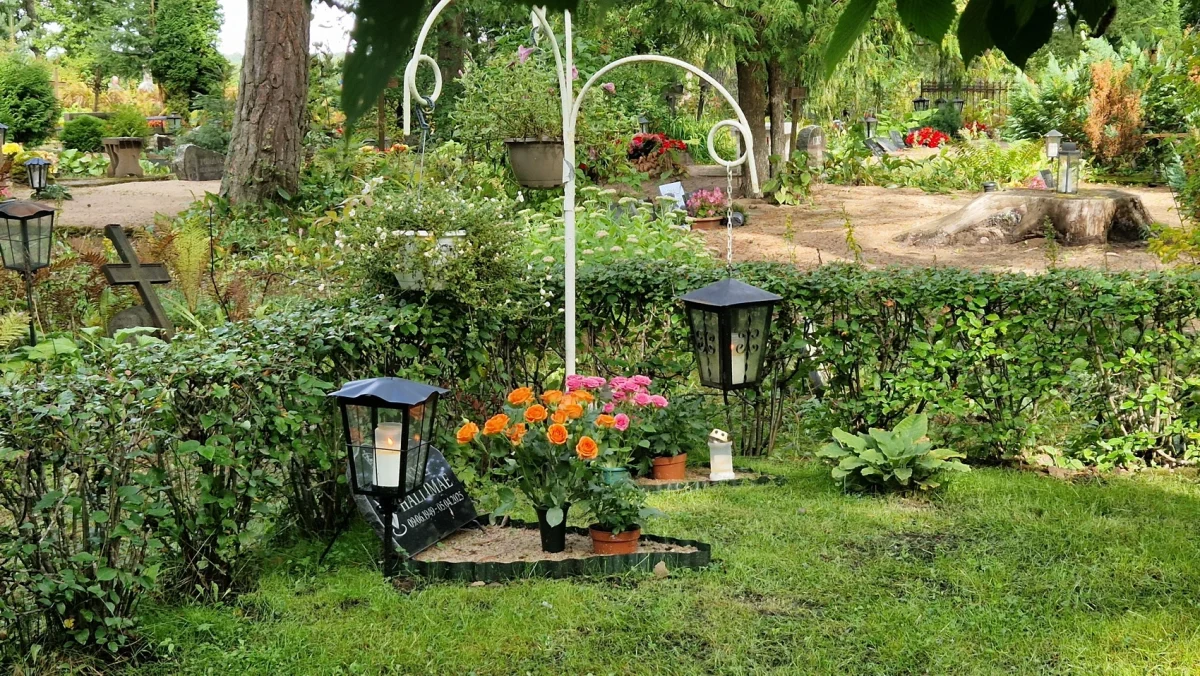
Lea Dali Lion (1974–2021)
Lea Dali Lion was an Estonian singer, musician and songwriter. She was previously known as Lea Liitmaa.
She was the lead singer of the popular Estonian band Blacky and also performed as a solo artist. In 2021, the singer’s ashes were buried at Haljala Cemetery.
Helgi Erilaid (1942–2023)
Helgi Erilaid was a well-known Estonian radio journalist. She worked for Estonian Radio for more than 50 years and became one of the country’s most recognisable voices.
Erilaid hosted and edited radio programmes about culture, history and music. She was particularly known for her series “Aja jälg kivis” — “The Trace of Time in Stone”, which introduced historic places and monuments.
Helgi Erilaid is buried in the Erilaid family plot at Haljala Cemetery. She was awarded the Order of the White Star, Fifth Class, and received the Golden Microphone Award.
Ülo Tambek (1922–1979)
Ülo Tambek was an Estonian film director, screenwriter and translator. He worked at the Tallinnfilm studio and created documentary and newsreel films.
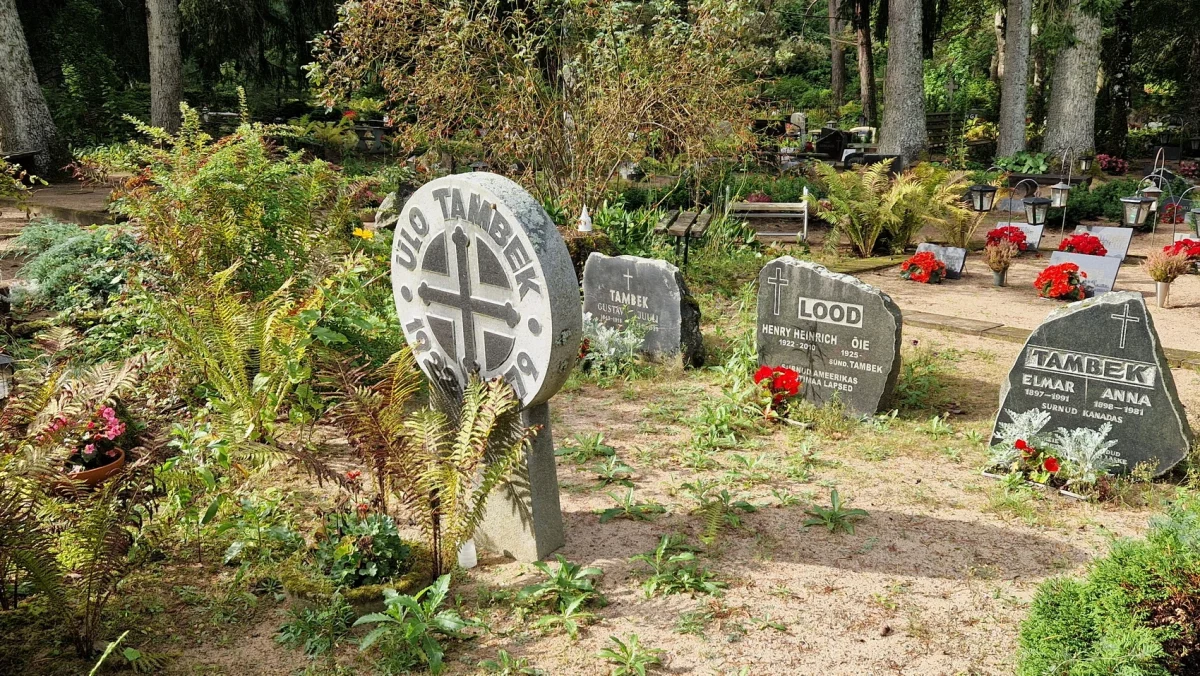
Among the director’s best-known works is a documentary about the Estonian artist Eduard Wiiralt. Ülo Tambek is buried in the Tambek family plot at Haljala Cemetery.
Elmar Tambek (1897–1991)
Elmar Tambek was an Estonian lawyer, civil servant and military officer. From 1938 to 1940, he headed the office of Estonian President Konstantin Päts.
Later, Elmar Tambek lived in exile. He wrote the memoirs “Tõus ja mõõn” — “Rise and Fall”, in which he described his life and important chapters in the history of Estonia.
After his death, his ashes were reburied at Haljala Cemetery in 1994. The Tambek family plot is also located there, where his son Ülo Tambek is buried as well.
Aino Lunge (1928–1994)
Aino Lunge was a well-known Estonian child psychologist and lecturer at the University of Tartu.
She researched child psychology, taught at university and helped popularise psychological knowledge. One of her best-known works was the book “Emotsioonide psühholoogia” — “The Psychology of Emotions”.
Aino Lunge was also the mother of Estonian musician Toomas Lunge. She is buried at Haljala Cemetery.
The Historical Significance of the Cemetery
Haljala Cemetery is closely connected with the history of the Haljala parish and municipality. It contains the graves of local residents, public officials, cultural figures and members of prominent families.
The cemetery’s old gravestones, wooden chapel, brick entrance arch and monument to those who fell in the War of Independence give it particular historical value. Visiting the cemetery offers an opportunity not only to honour the memory of relatives, but also to learn more about the history of Haljala and northern Estonia.
Grave Care at Haljala Cemetery
If your relatives live far away or you are unable to visit the cemetery regularly, Angelio specialists can help with grave care.