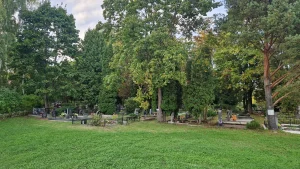
Pühtitsa Cemetery is a monastery cemetery located next to the Pühtitsa Dormition Convent in the village of Kuremäe, Ida-Viru County. The cemetery is mainly the final resting place of nuns from the Pühtitsa Convent, clergy and people connected with the monastery.
This peaceful and well-maintained place differs from ordinary rural cemeteries. It is characterised by similar Orthodox crosses, carefully maintained graves and the special atmosphere of monastic tranquillity.
Where is Pühtitsa Cemetery located?
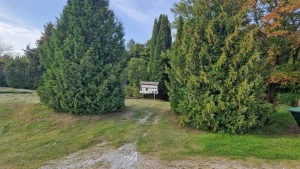
The cemetery is located near the Pühtitsa Convent, close to the Holy Mountain and the holy spring. It can be reached on foot from the monastery grounds.
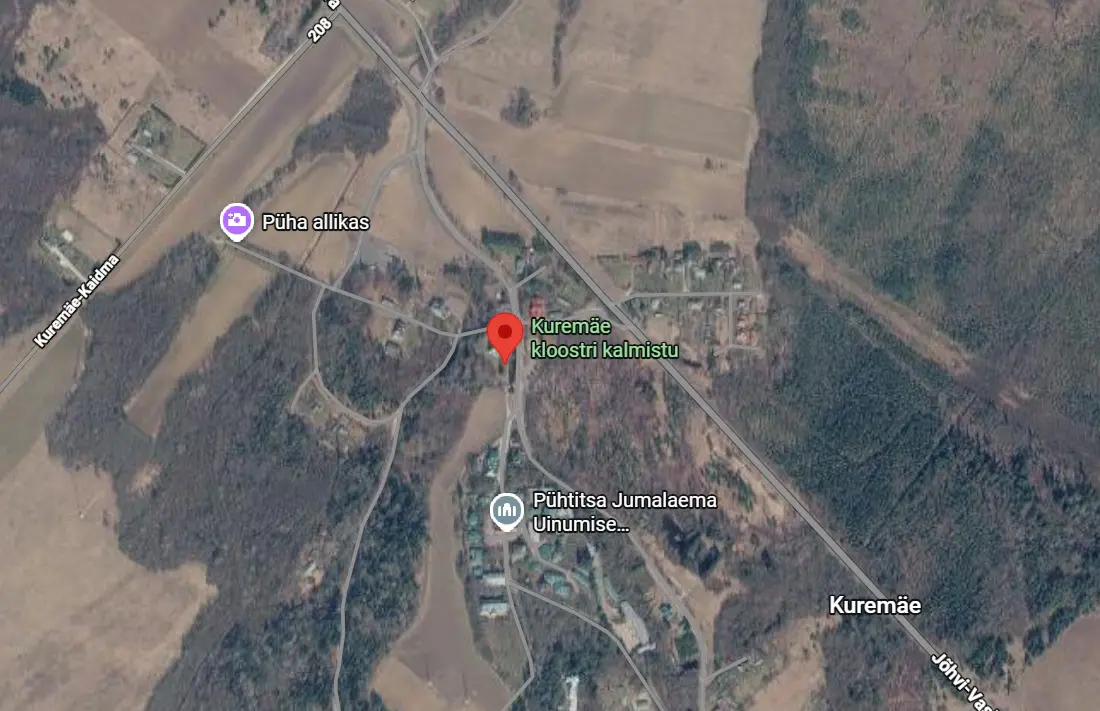
There is a visitor car park across the road from the cemetery. Pühtitsa is one of Estonia’s best-known Orthodox religious sites, so pilgrims and tourists from different regions visit the convent and cemetery.
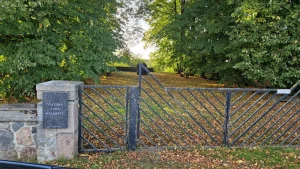
Entrances to the Cemetery
There are two entrances to the cemetery. One is located on the side facing the convent, while the other is on the side facing the holy spring.
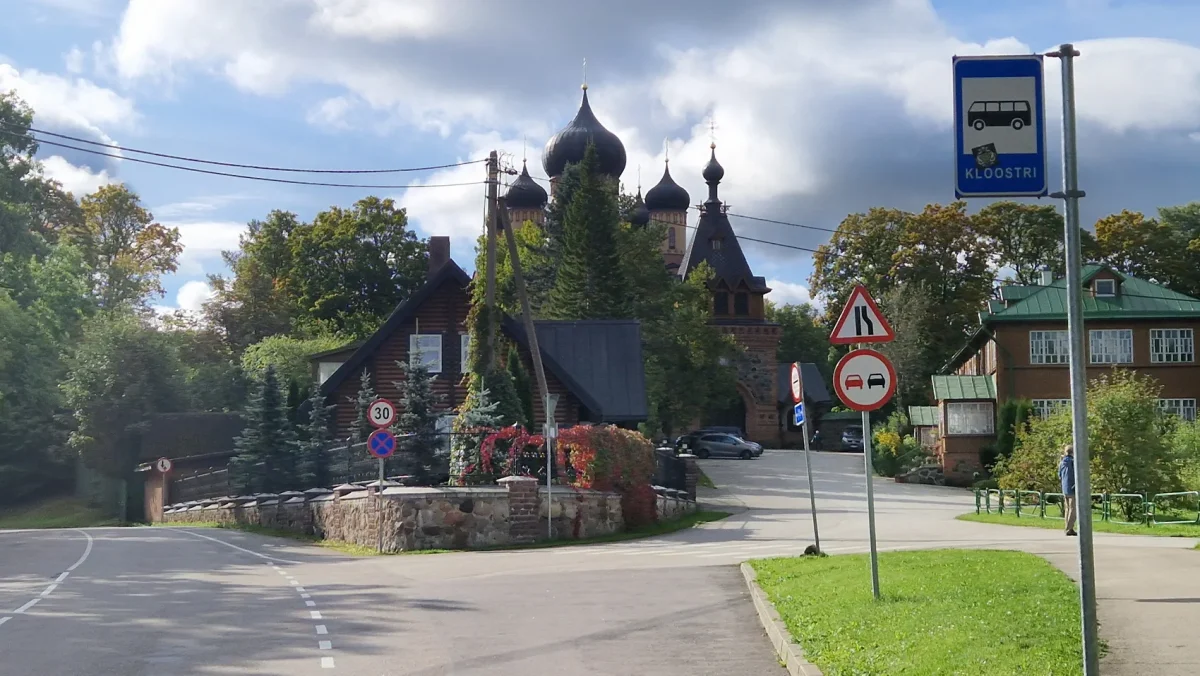
Before visiting, it is worth remembering that the cemetery is connected with an active monastic community. Visitors should remain quiet on the grounds and show respect for religious services and pilgrims.
The Chapel at the Cemetery
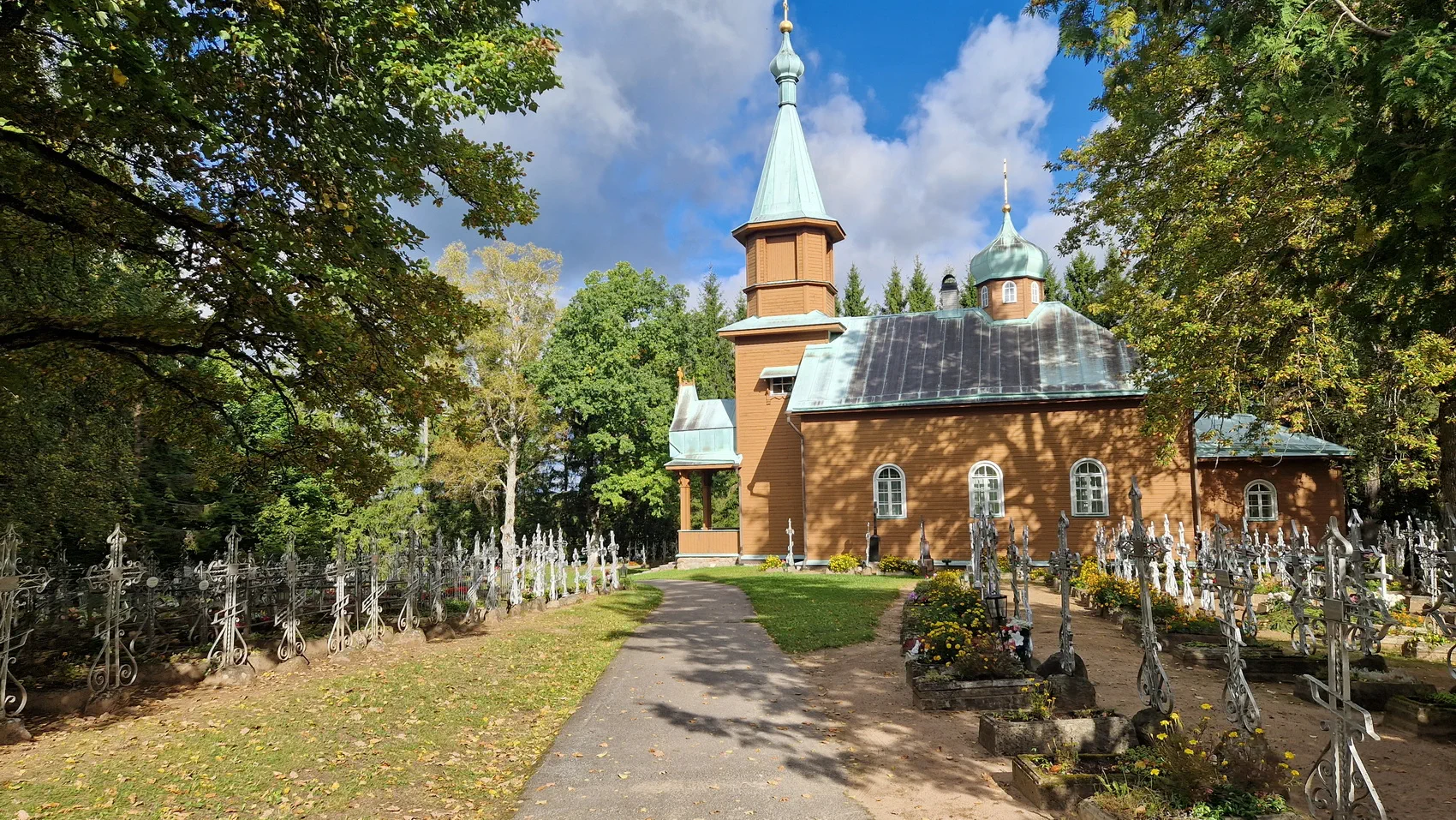
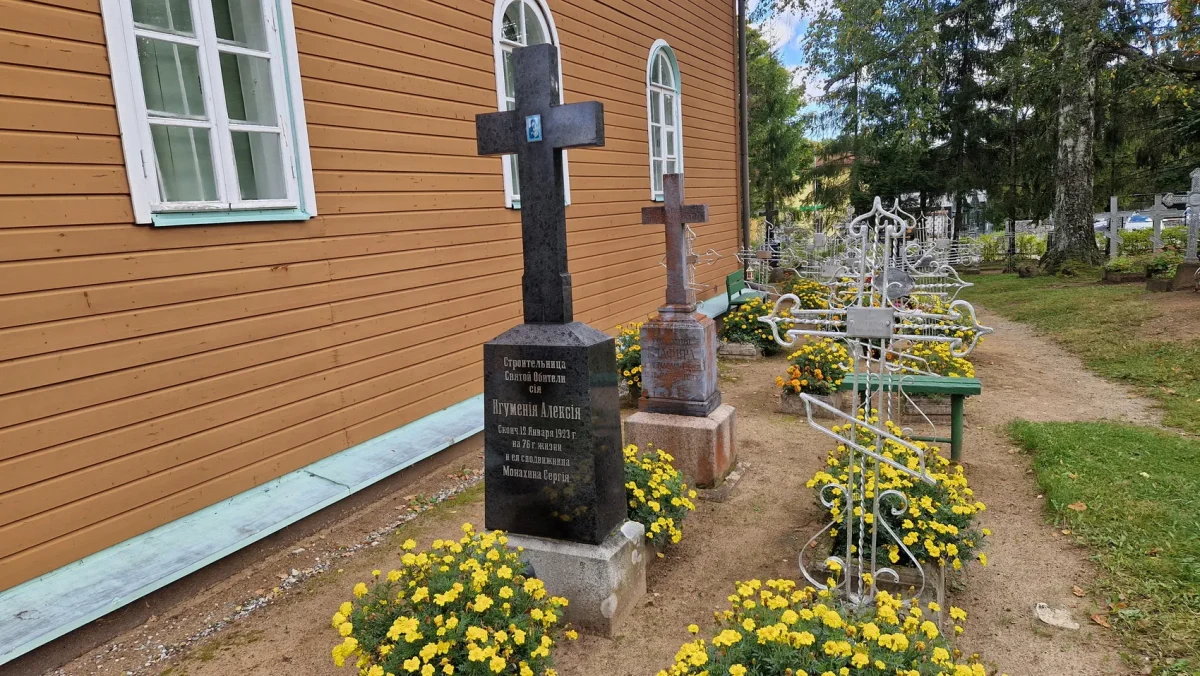
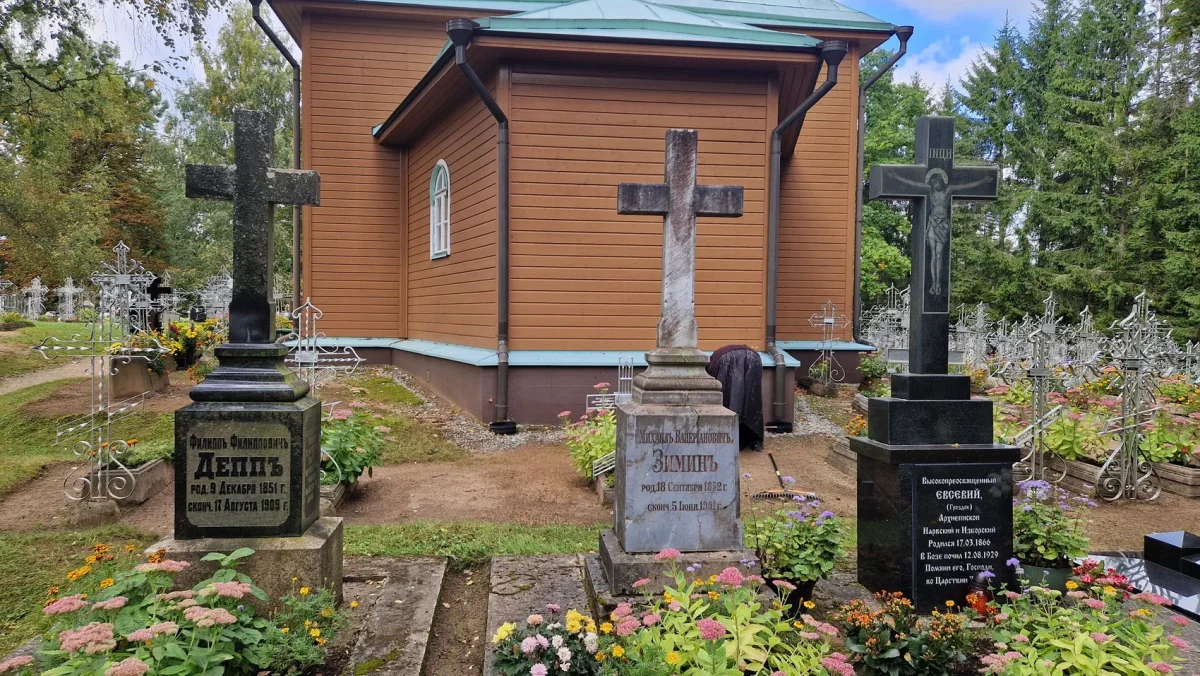
A small chapel is located on the grounds of Pühtitsa Cemetery. The cemetery church is dedicated to Saint Nicholas and Saint Arsenius the Great.
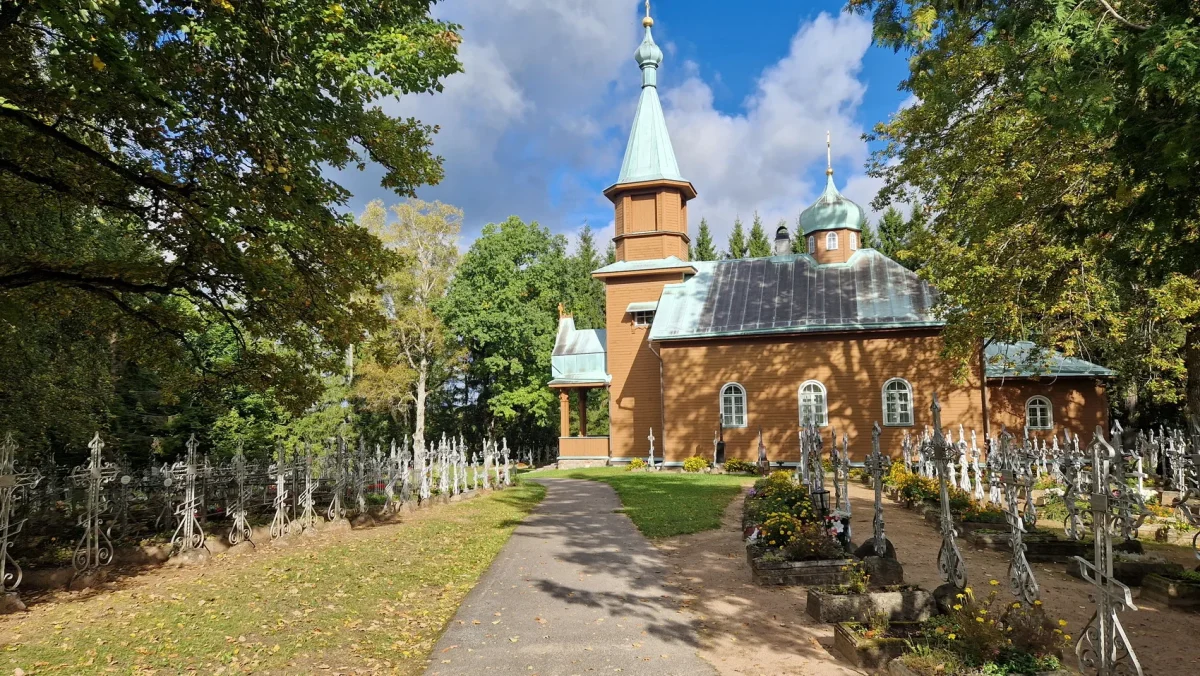
The building forms part of the monastery complex and is connected with the history of Pühtitsa Cemetery. The chapel stands among the graves of nuns and other people connected with the convent.
The Old Oak — a Natural Relic of Pühtitsa
A large oak once grew on the edge of the cemetery. The tree died several decades ago, but it was not completely cut down.
Today, part of the old oak’s trunk remains. It has been preserved on the grounds as a natural relic and serves as a reminder of the ancient history of this sacred place in Pühtitsa.
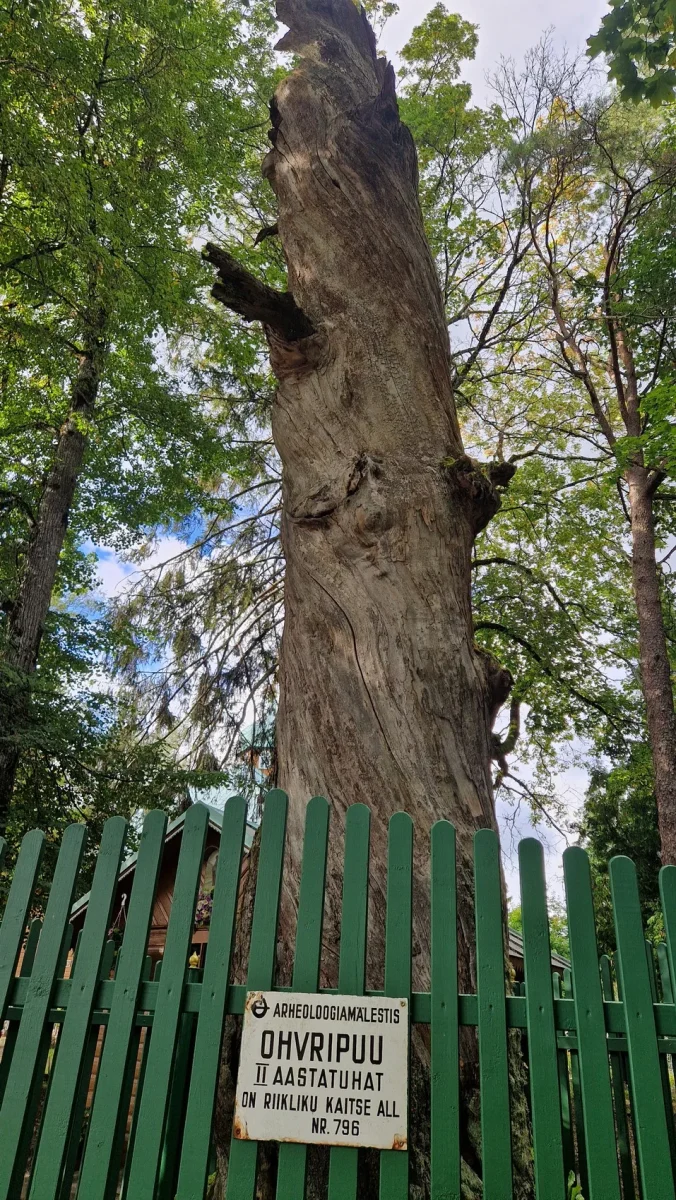
Legends about the appearance of the Virgin Mary and the discovery of the Dormition Icon of the Mother of God are associated with the oak and the holy spring. The veneration of this place later led to the establishment of the Pühtitsa Convent.
What is the Cemetery Like?
The cemetery grounds are bright, clean and well maintained. The nuns of the convent take care of the graves and the surrounding area.
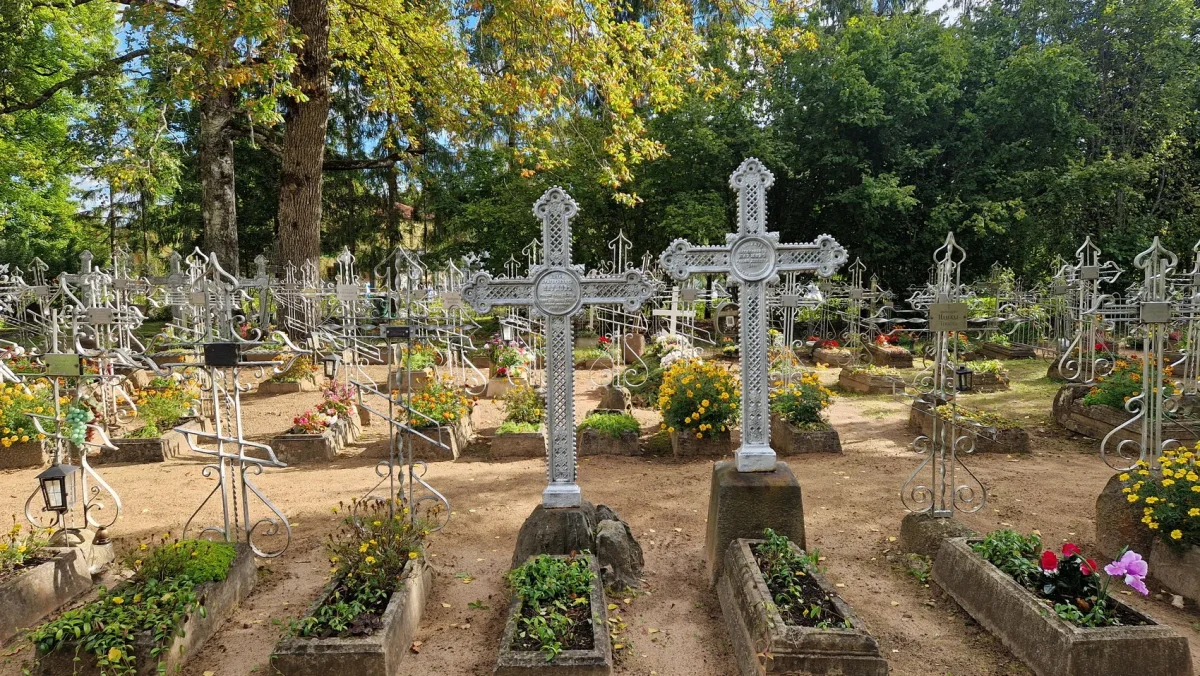
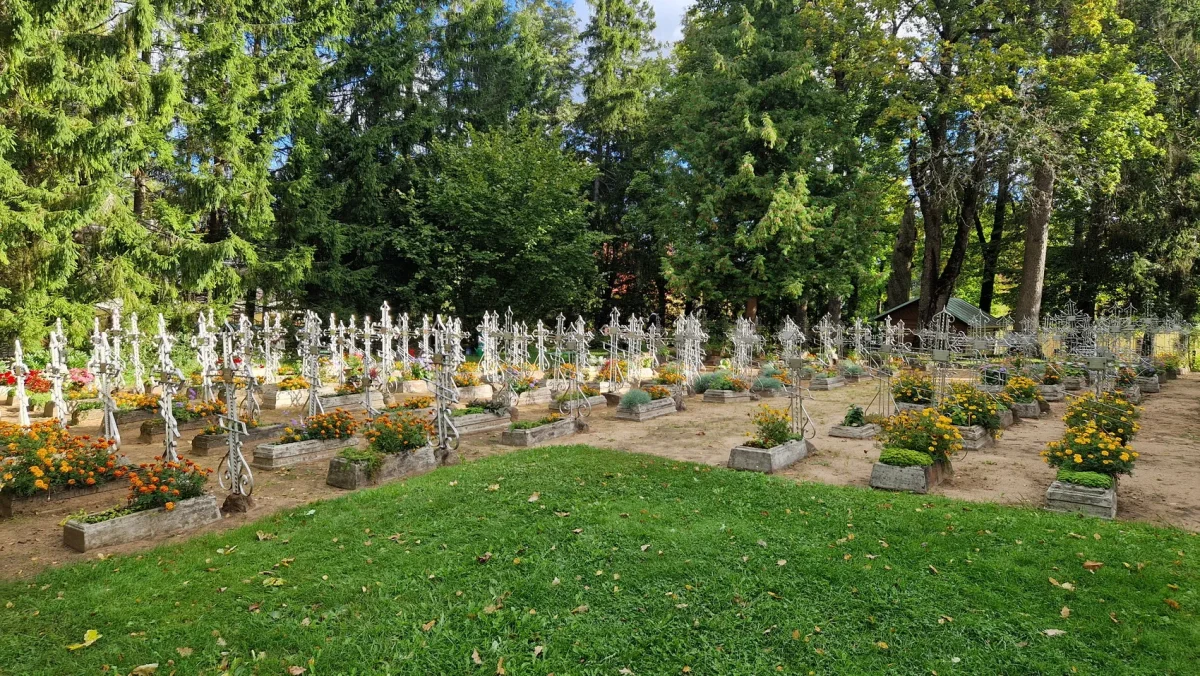
Most of the graves are arranged in a similar style. Orthodox crosses, often made in a uniform design, have been placed on them. This gives the cemetery a harmonious and peaceful appearance.
The older section contains many historic crosses and gravestones. Some are covered with moss or show signs of age, but these features give the cemetery its special historical value.
Who is Buried at Pühtitsa Cemetery?
Pühtitsa Cemetery is mainly the final resting place of sisters from the Pühtitsa Convent. Orthodox clergy and laypeople connected with the history of the convent are also buried here.
Abbess Alexia
One of the notable nuns buried in the monastery cemetery was Abbess Alexia. She served as the head of the Pühtitsa Convent and fell ill after returning to the monastery in 1923. She died and was buried at the monastery cemetery on 29 January 1923.
Abbesses and Sisters of the Convent
The cemetery contains the graves of former abbesses, nuns and novices of the Pühtitsa Convent. Many of the graves date from the 20th century and form part of the history of the women’s monastic community.
Some of the graves may be of interest not only to pilgrims, but also to people studying the history of the Pühtitsa Convent and Orthodox life in Estonia.
What Does the Name Pühtitsa Mean?
The name Pühtitsa comes from an Estonian word associated with the meaning “holy place”. The Russian name for this place is Пюхтица.
Today, the Pühtitsa Convent remains an active women’s monastic community. Therefore, the cemetery is regarded not only as a historic site, but also as an extension of monastic life.
Grave Care in Estonia
If you live far away and cannot visit your relative’s grave in Ida-Viru County yourself, Angelio specialists can help take care of the burial place.
Angelio provides gentle grave care and helps preserve the memory of your loved ones.