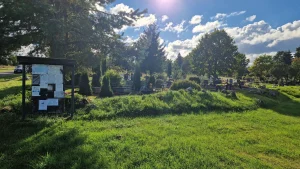
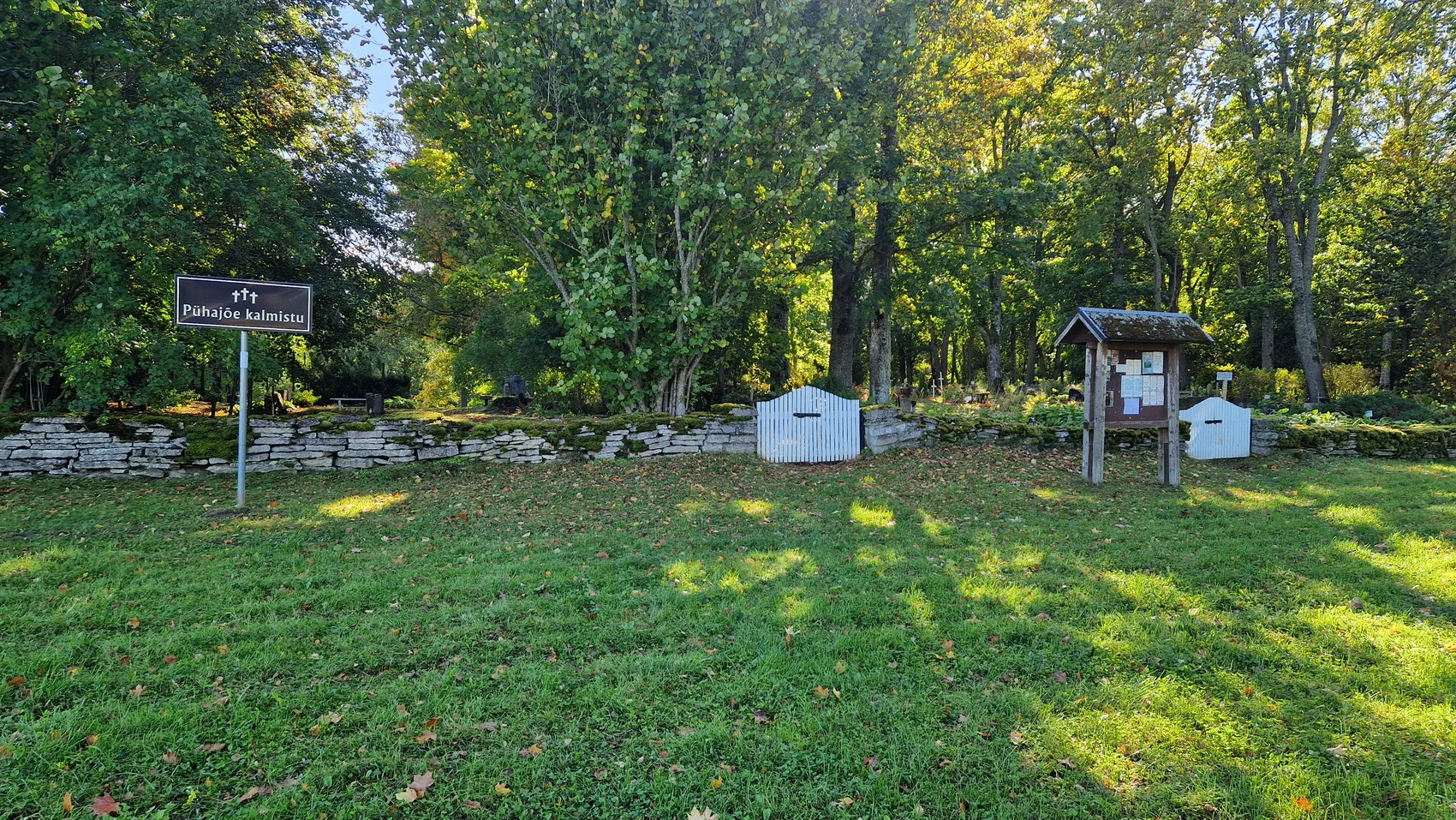
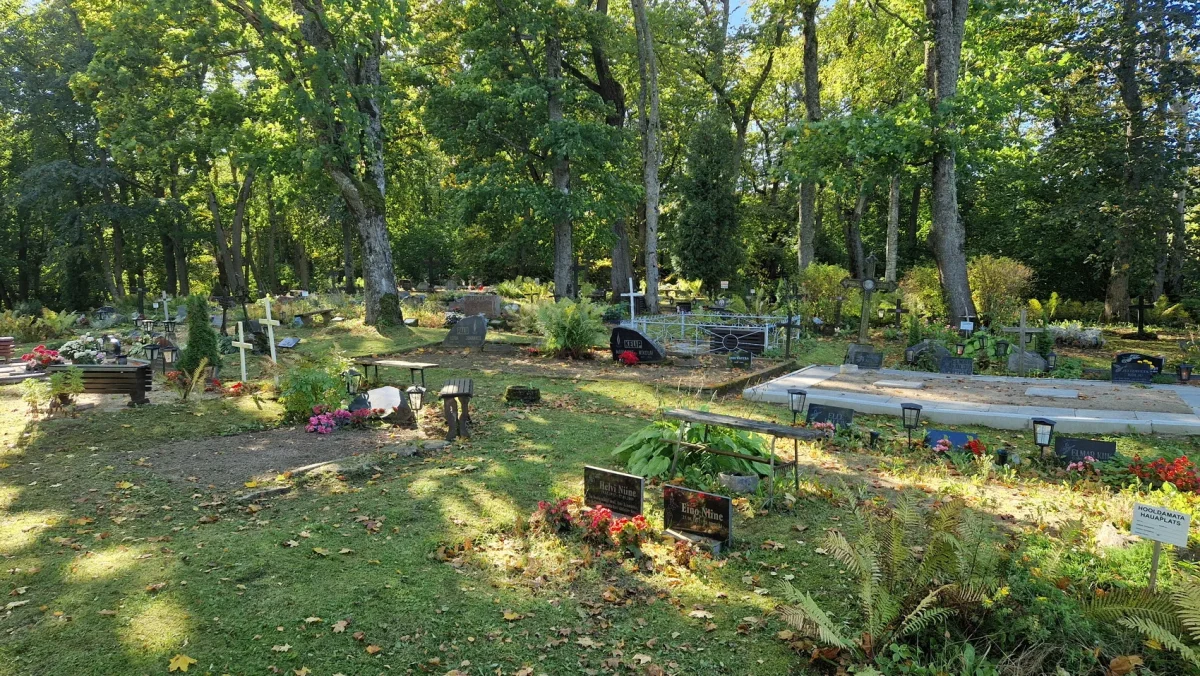
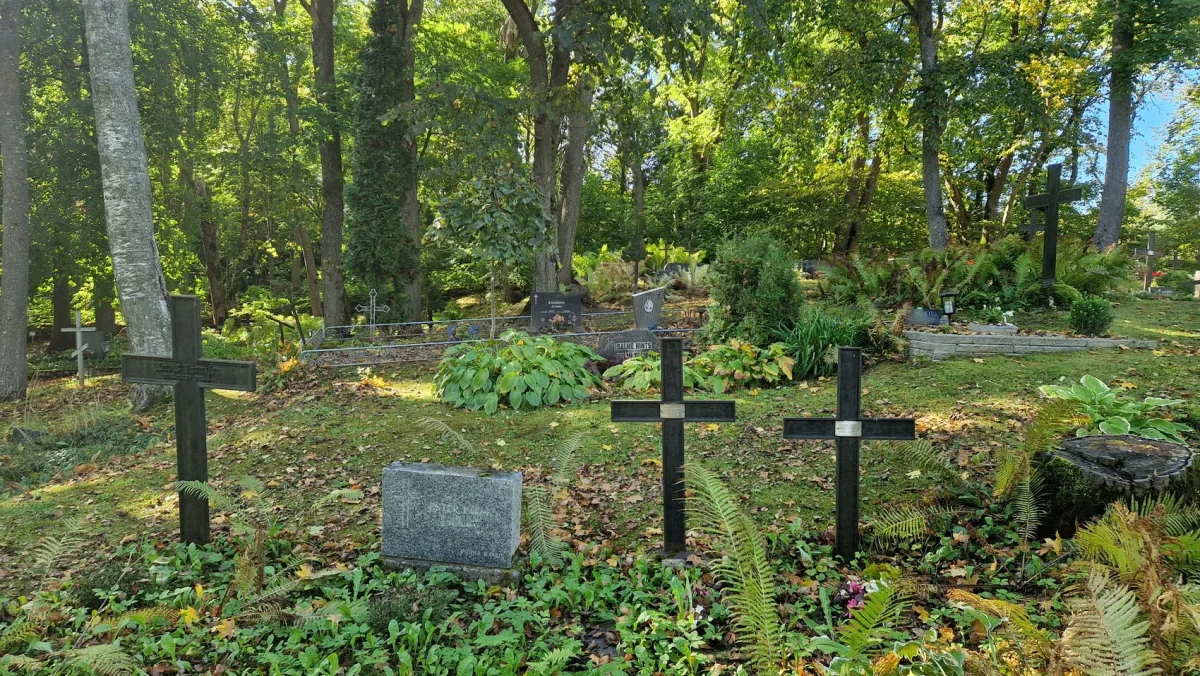
Pühajõe Cemetery is located near Toila, in Jõhvi municipality, Ida-Viru County, close to Oru Park and Pühajõe Maarja kirik. People come here to visit loved ones’ graves, tend family plots and honour earlier generations of local residents.
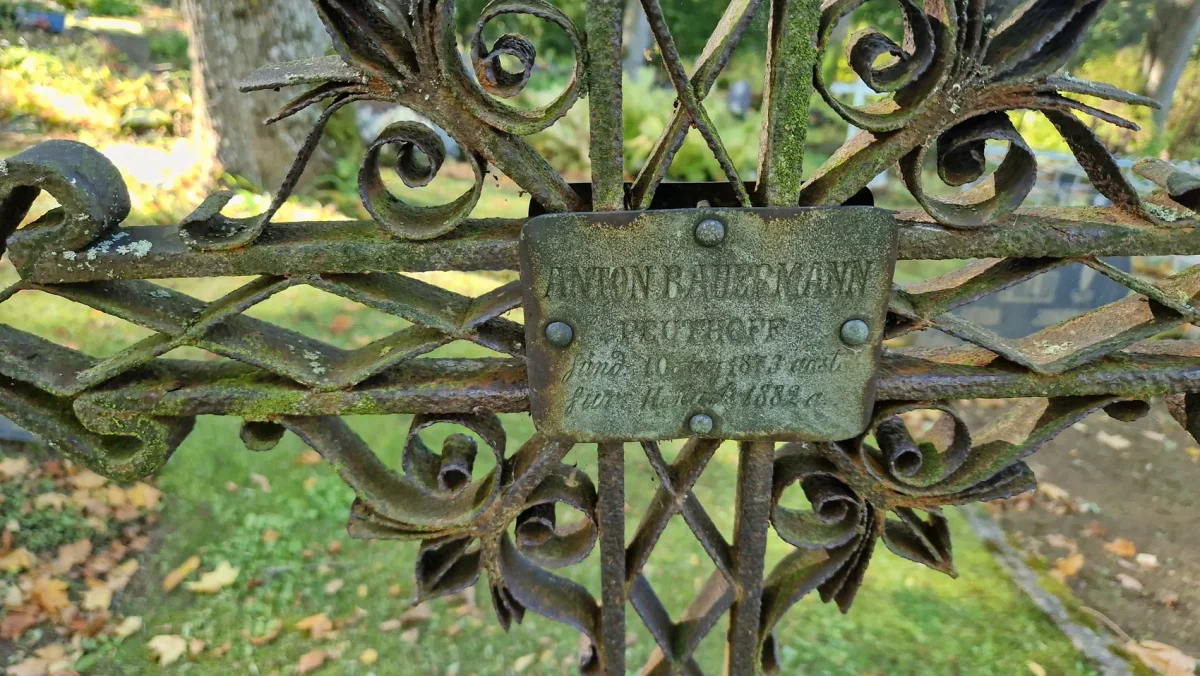
The site also has significance for local history: publications about the cemetery mention old wrought-iron crosses, while traces of fortifications from the Great Northern War survive nearby.
Address and location
The cemetery lies beside the Pühajõgi River, near the well-known Toila-Oru Park. Another nearby landmark is St Mary’s Church, Pühajõe Maarja kirik.
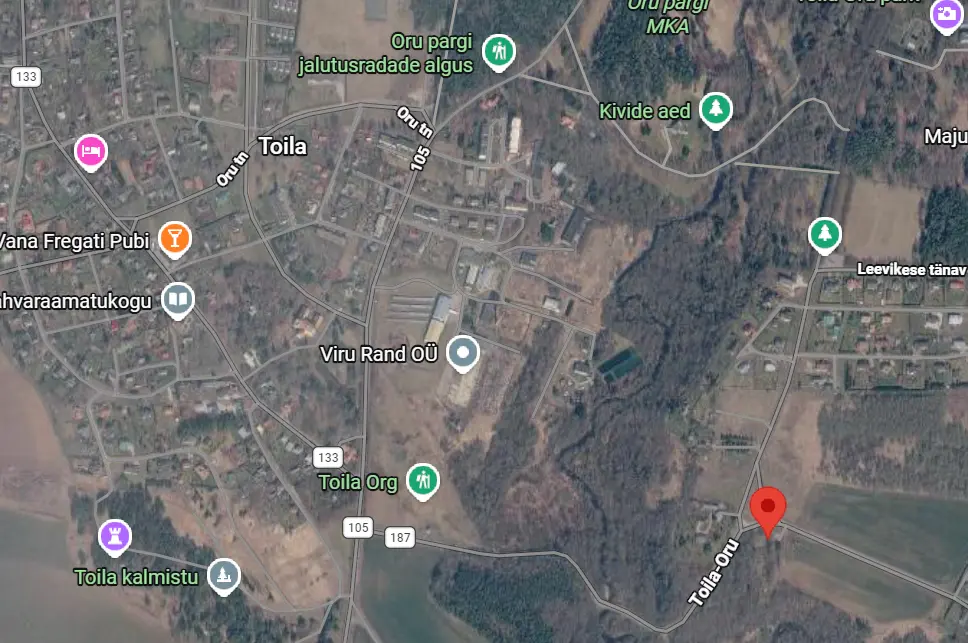
Access and entrances
The cemetery entrance faces the road. A spacious parking area nearby accommodates several cars. This is convenient for visitors bringing flowers, tools and materials for grave care.
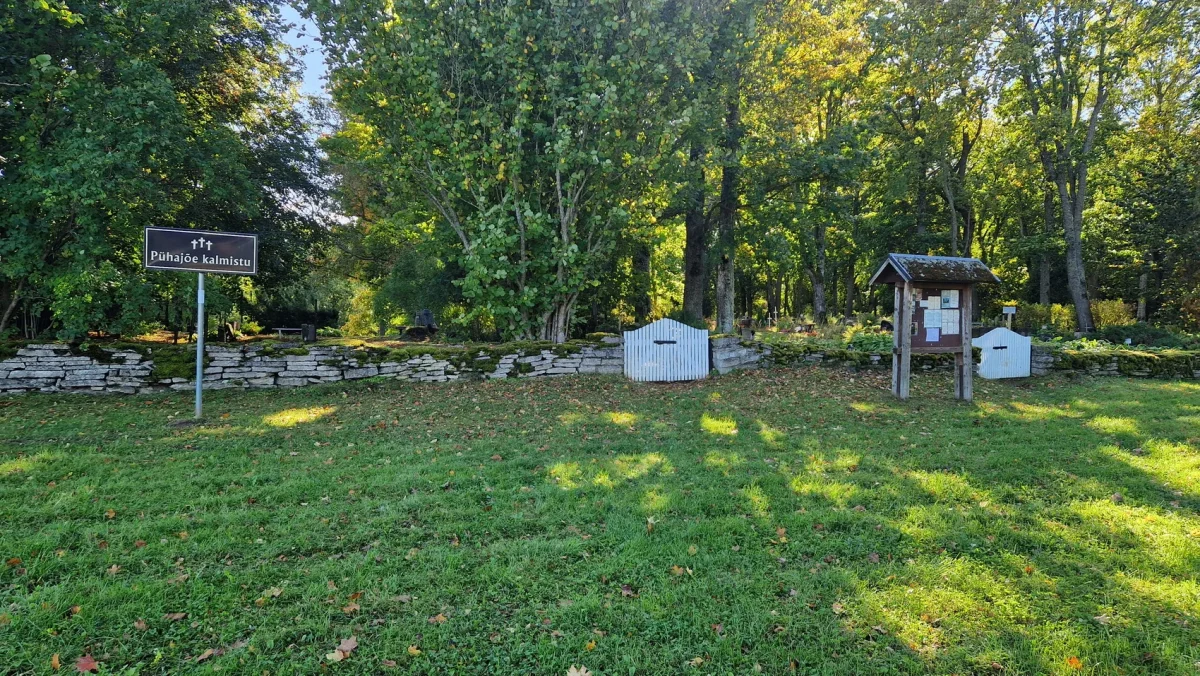
Buildings on the grounds
During our visit, we observed no buildings within the cemetery grounds. Pühajõe Maarja kirik stands separately nearby.
Facilities and grounds maintenance
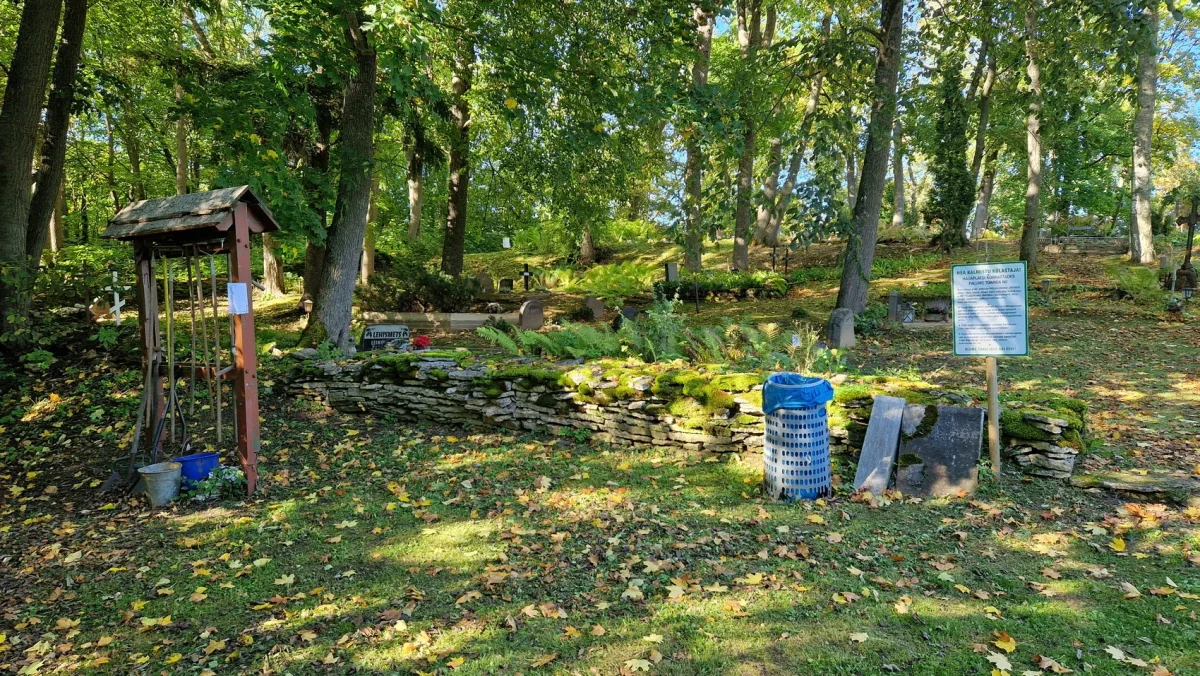
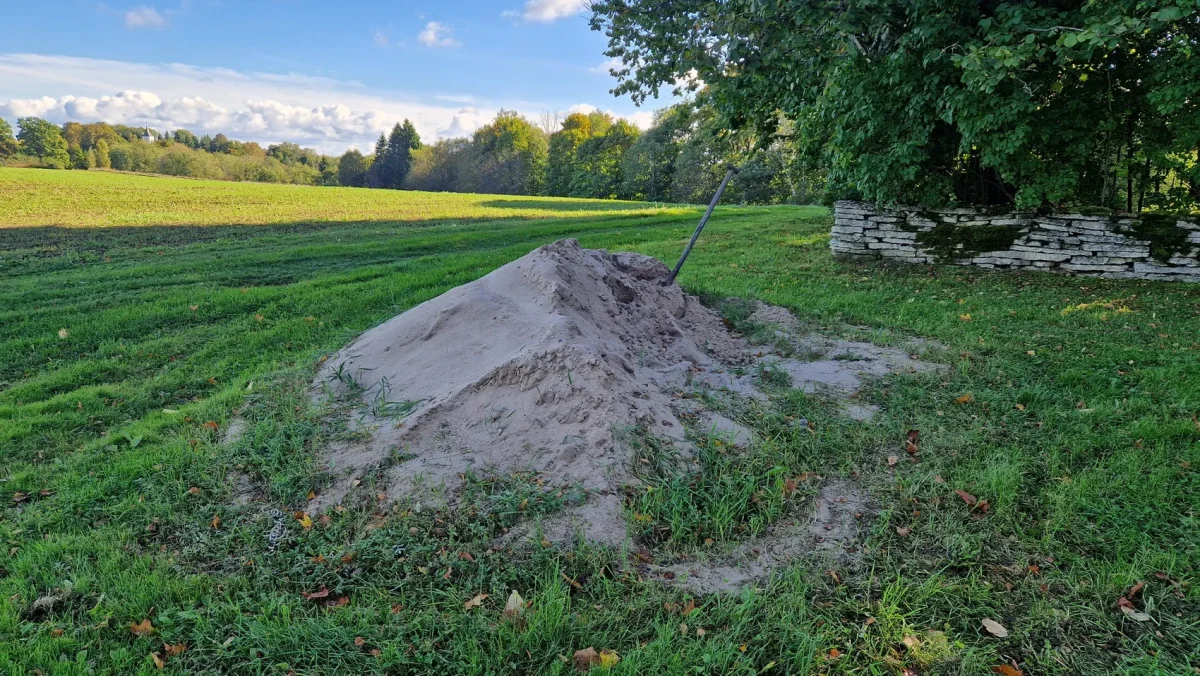
A waste container is located at the rear of the cemetery. During our visit, cleaning tools and sand for topping up grave plots were also available there. Please return shared tools after use so that other visitors can use them.
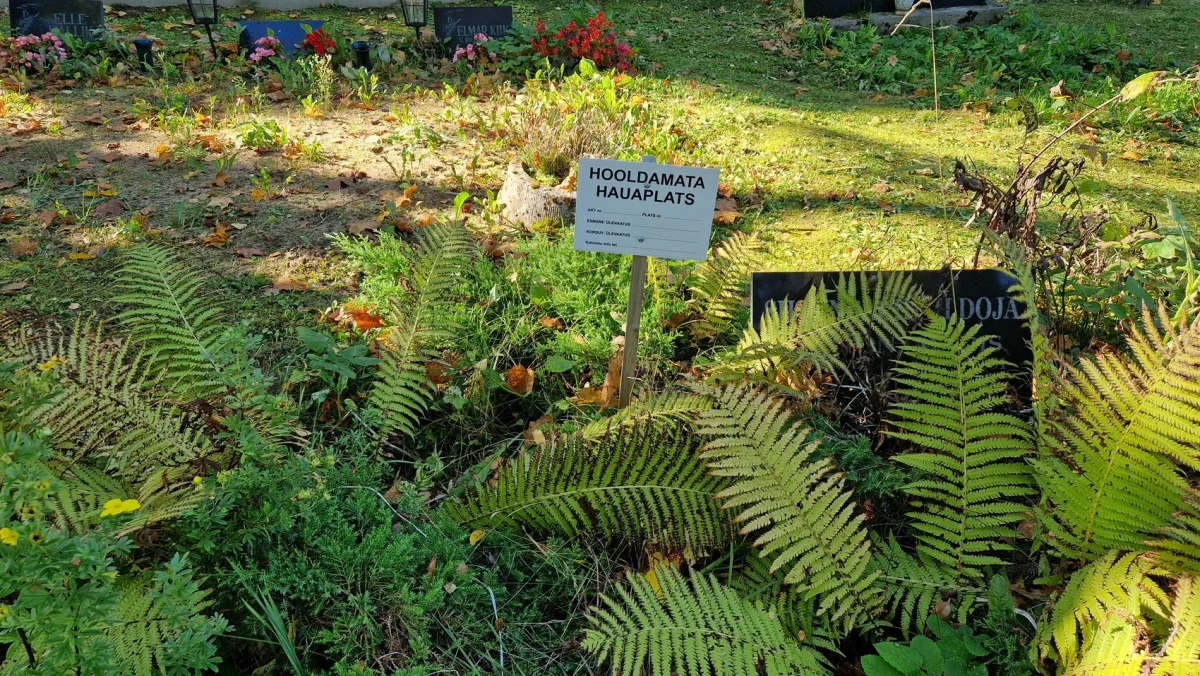
Some graves have notices drawing attention to a lack of maintenance. These markers help identify plots in need of care. However, a notice alone does not explain why a grave has become neglected: relatives may live far away or be unable to visit regularly. Angelio can help with grave cleaning, even when you are far away.
The cemetery administration deserves thanks for its efforts to keep the grounds in order. Clean surroundings, accessible tools and attention to the condition of graves help maintain the cemetery’s dignified appearance.
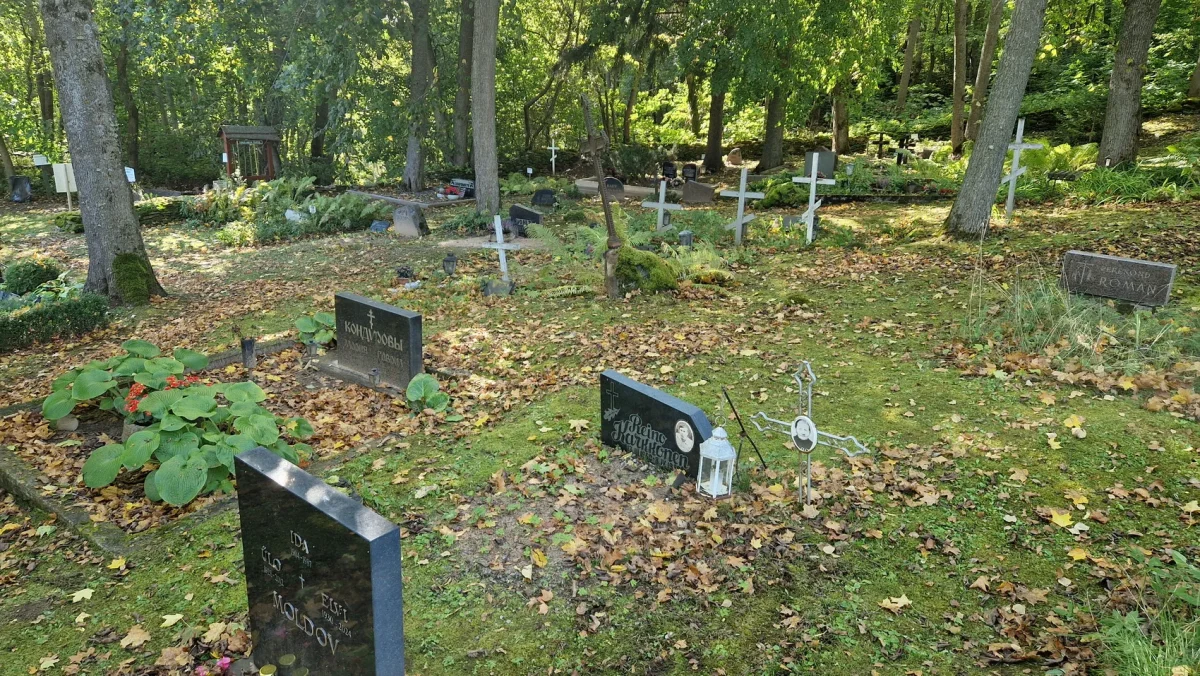
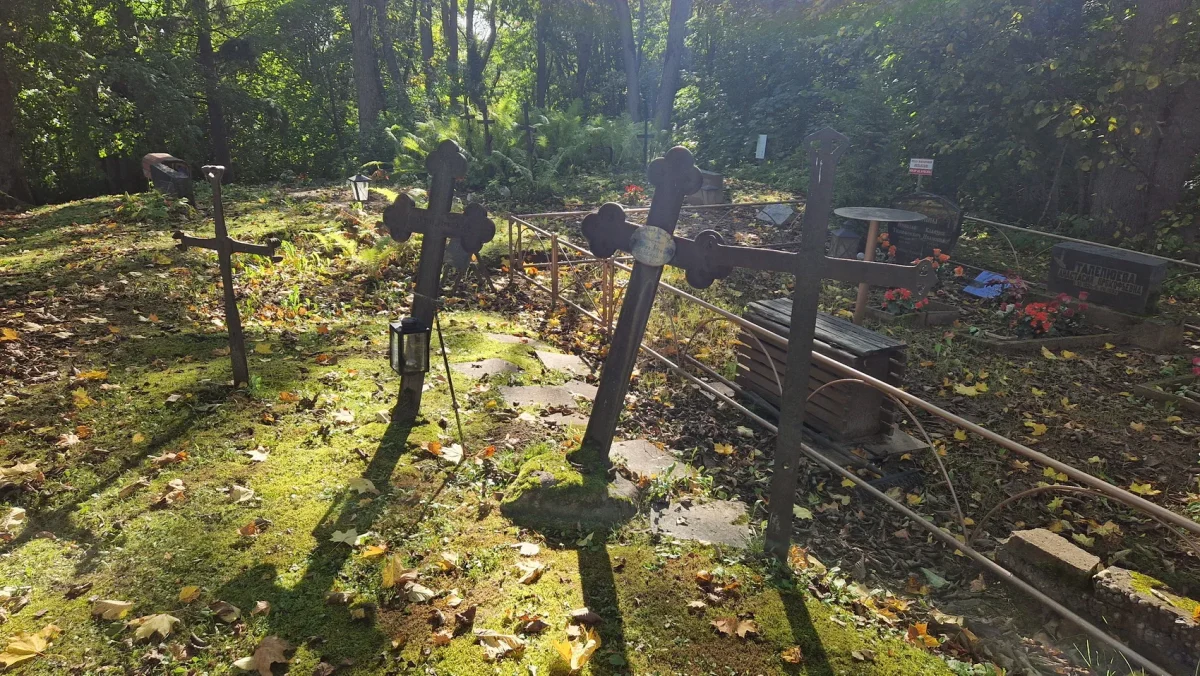
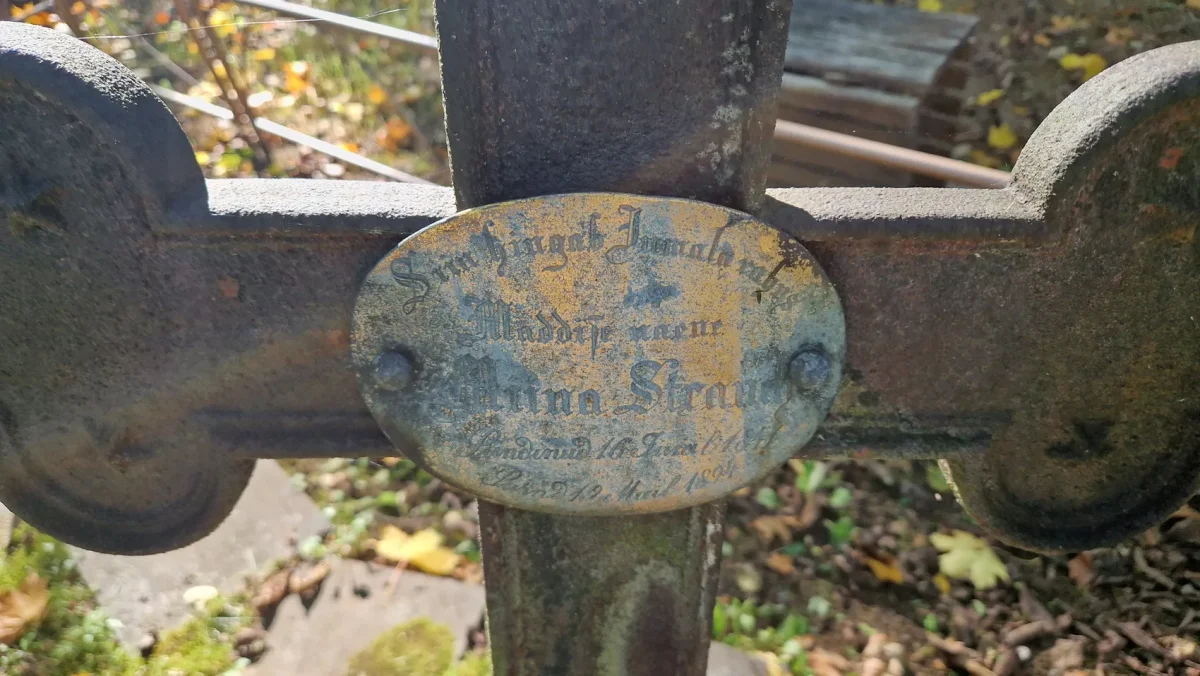
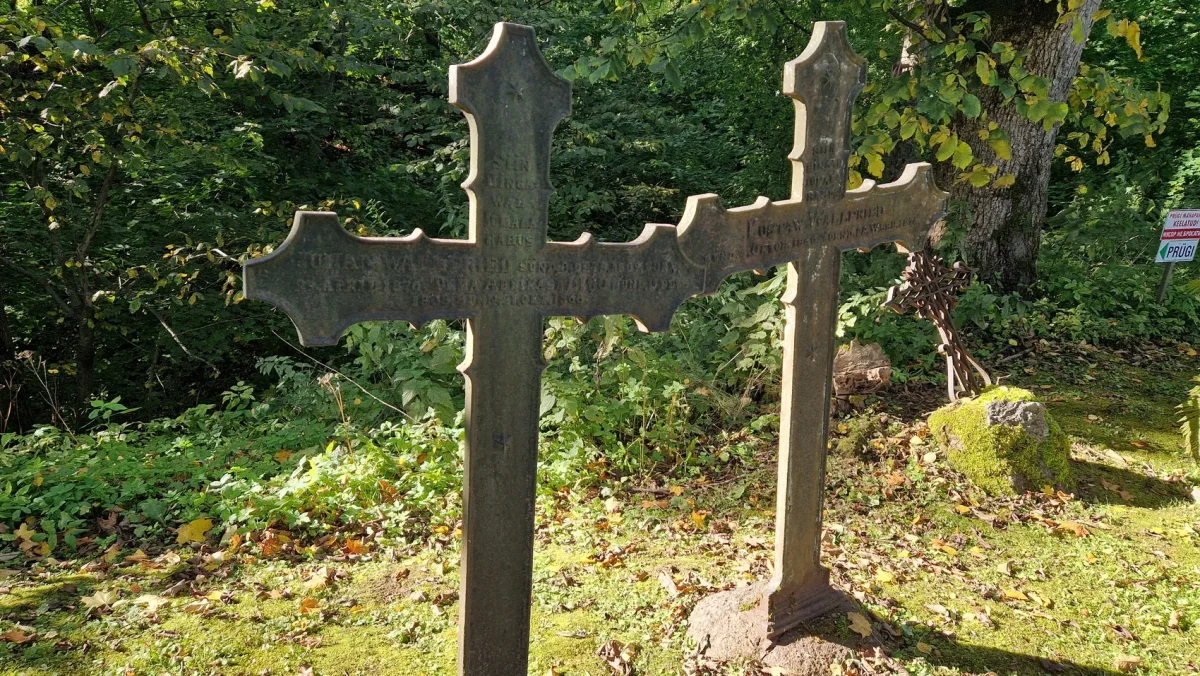
History and interesting facts
Old wrought-iron crosses. The 8 September 2004 issue of Põhjarannik describes a local history excursion whose participants visited Pühajõe Cemetery and examined its old wrought-iron crosses. These grave markers are of interest for the study of local burial traditions.
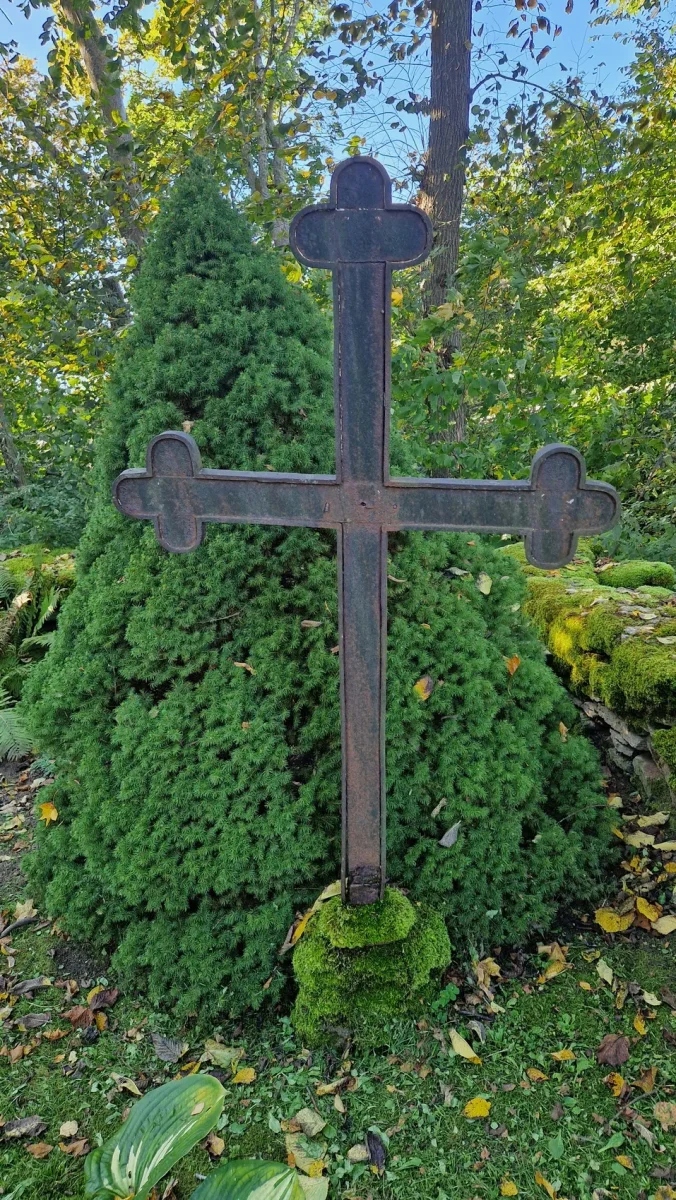
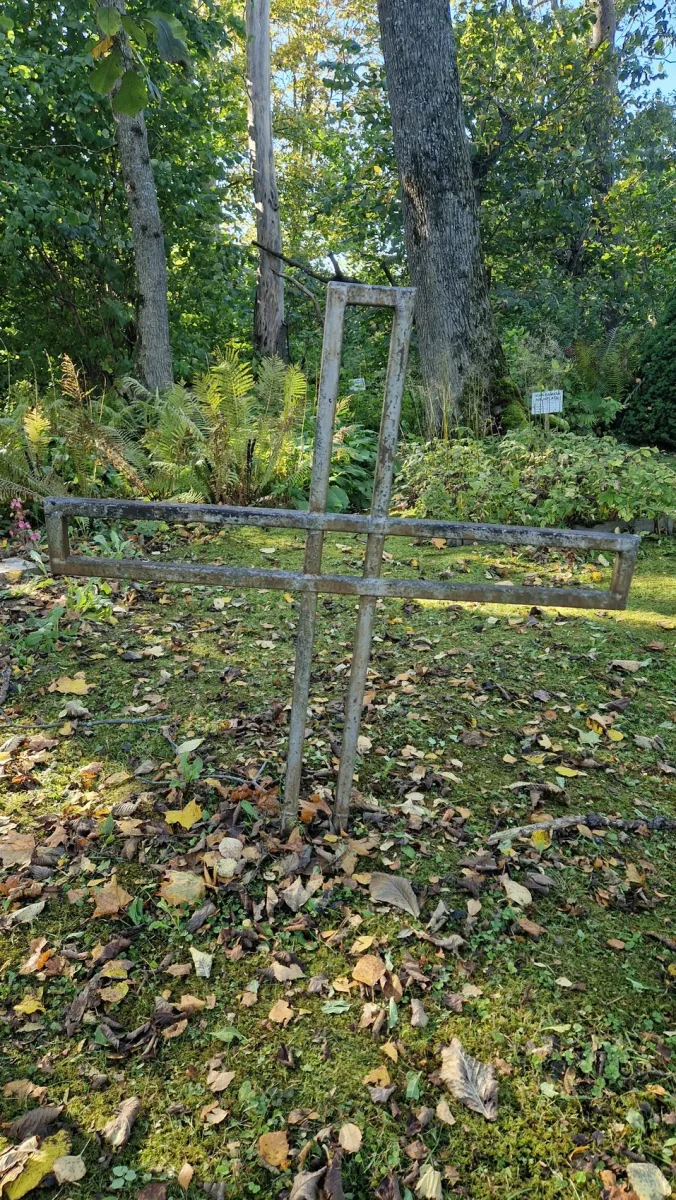
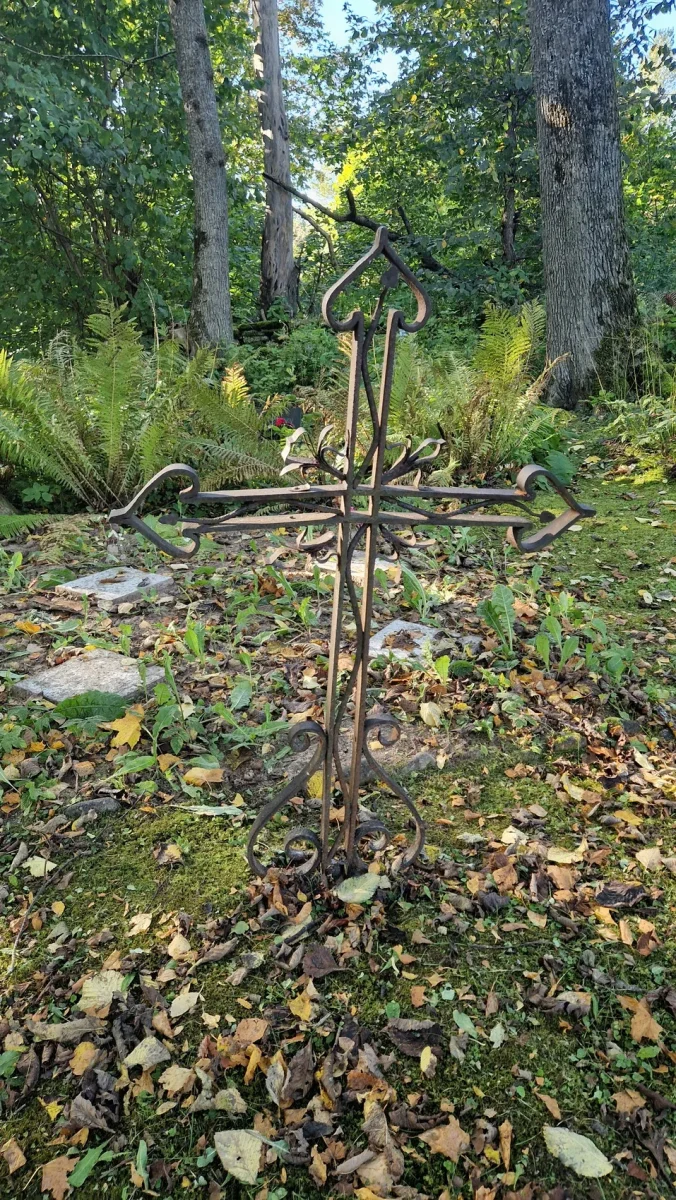
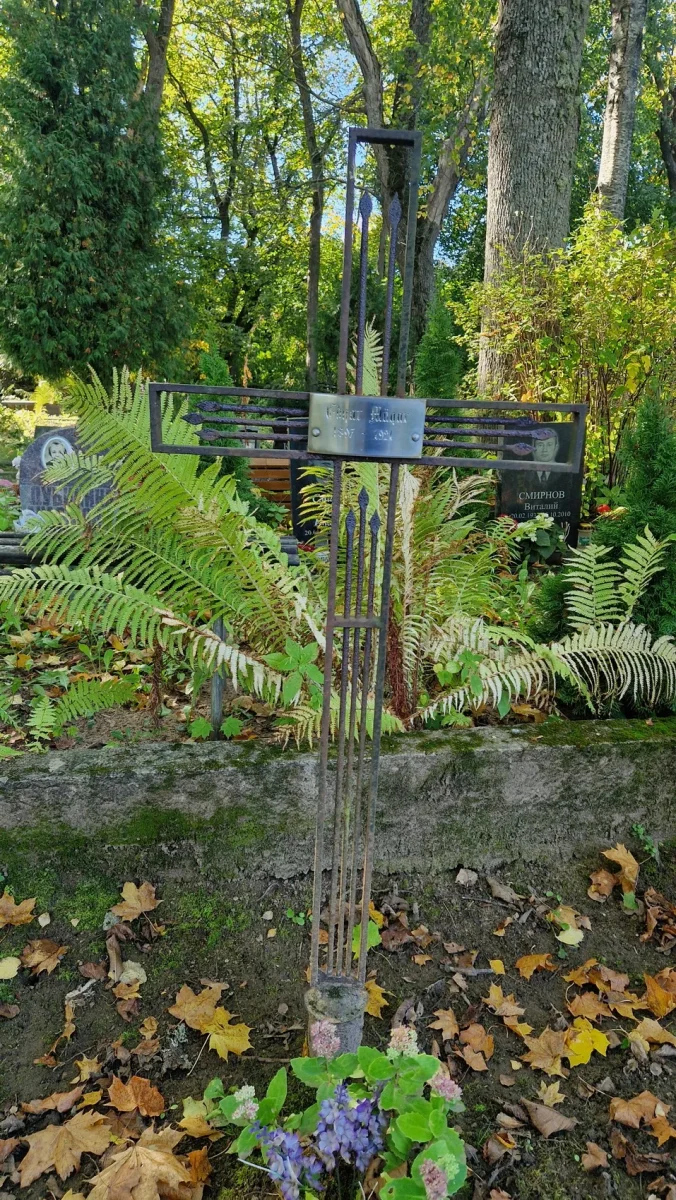
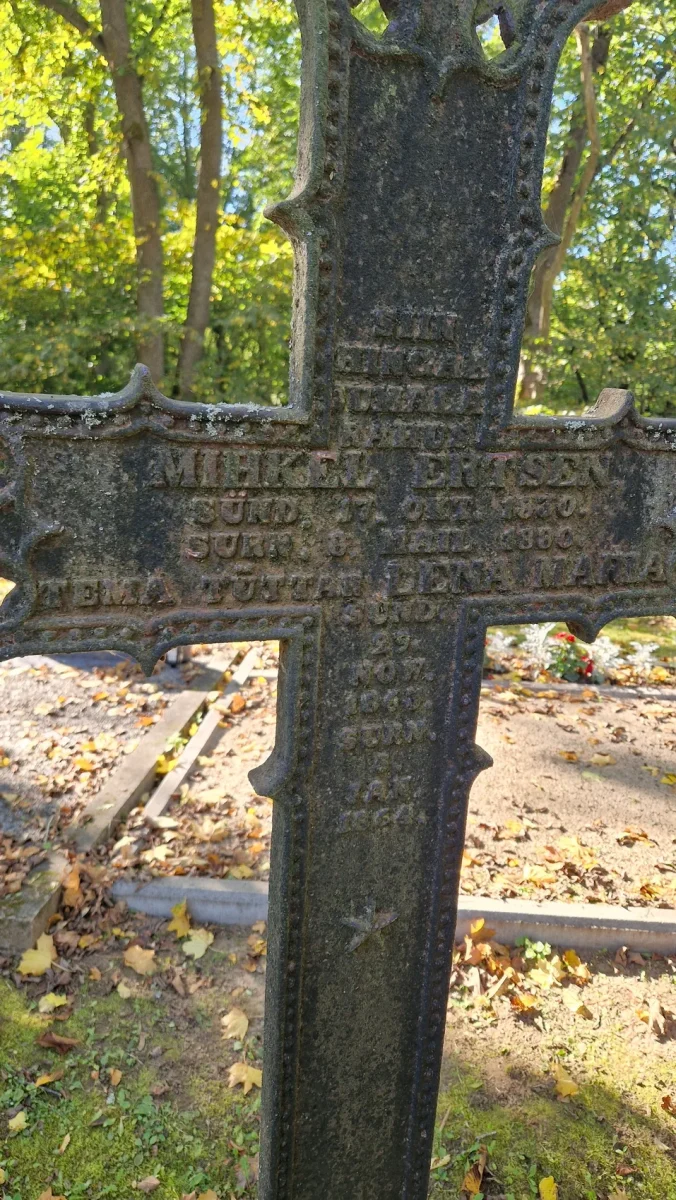
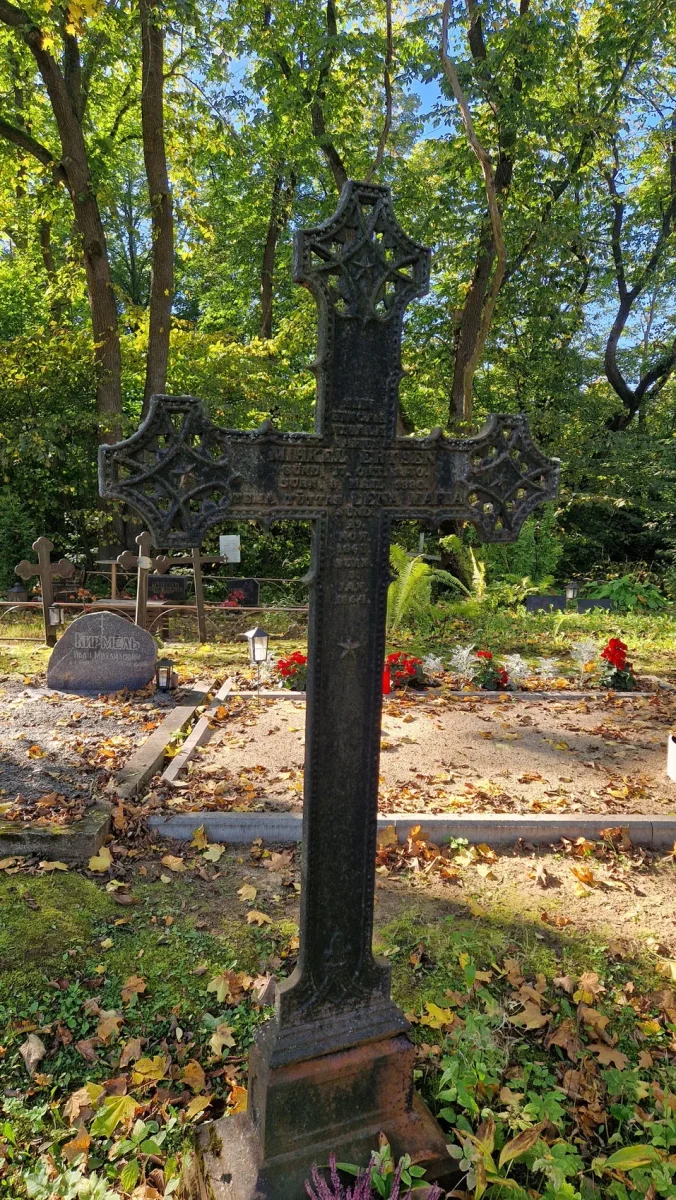
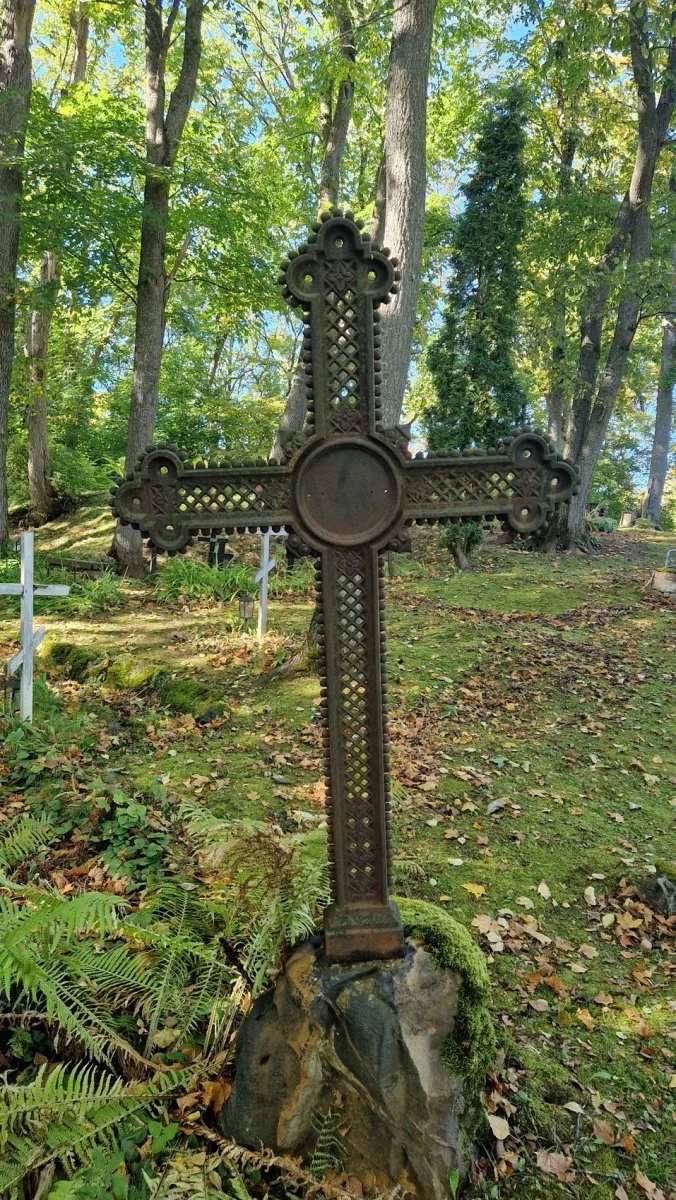
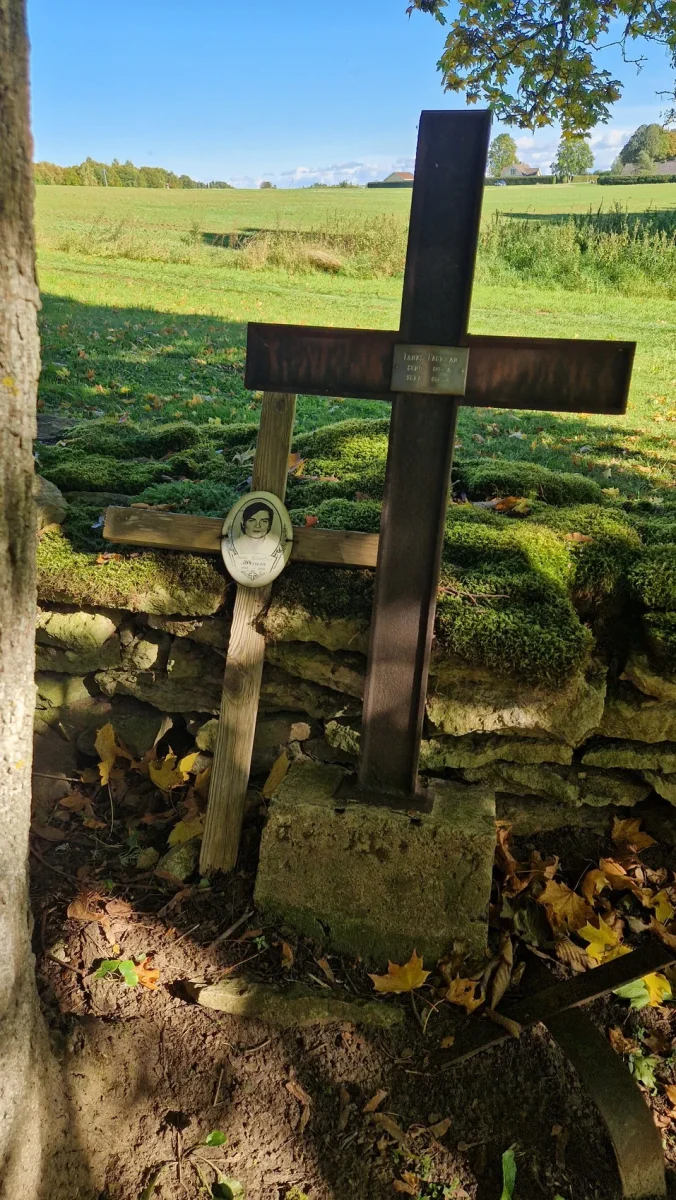
Nearby fortifications from the Great Northern War. The Estonian Environmental Board’s publication “Avijõgi, Tagajõgi, Pada jõgi ja Pühajõgi” describes the remains of earthen artillery fortifications on the river’s right bank near the cemetery. They are associated with Russian military operations during the Great Northern War. In 1700, Boris Sheremetev’s troops clashed with the Swedish army of Charles XII in this area. This historical fact concerns the surroundings and does not, by itself, establish the age of the cemetery. Source, pages 143–144.
Notable graves
Arvo Puu
Local historian Arvo Puu is buried at Pühajõe Cemetery. He was born in Päite village, in what was then Voka municipality, and attended schools in Päite and Voka before studying at Jõhvi Secondary School. According to a biographical article by Hilja Tartland on Virumaa.ee, an urn containing his ashes was buried beside his parents at Pühajõe Cemetery on 5 July 2003. His grave connects this place with the study of local history and the preservation of the memory of local residents.
How to find a grave
Before your visit, you can search the burial records for Pühajõe Cemetery. It helps to have the deceased’s first name and surname written in Latin letters. If you cannot find a record, try an alternative spelling of the surname. The absence of an online search result does not necessarily mean that the person was not buried here: records of older burials may be incomplete.
Grave care at Pühajõe Cemetery
If you live far away or cannot tend your family grave yourself, contact Angelio. We can help arrange grave cleaning at the cemetery and any other work needed.
When contacting us, please provide the deceased’s first name and surname, a photograph of the grave and, if known, its location on the cemetery map.