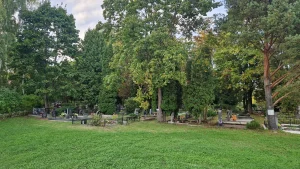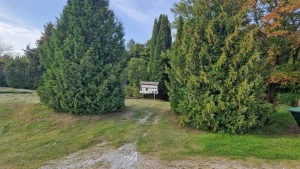
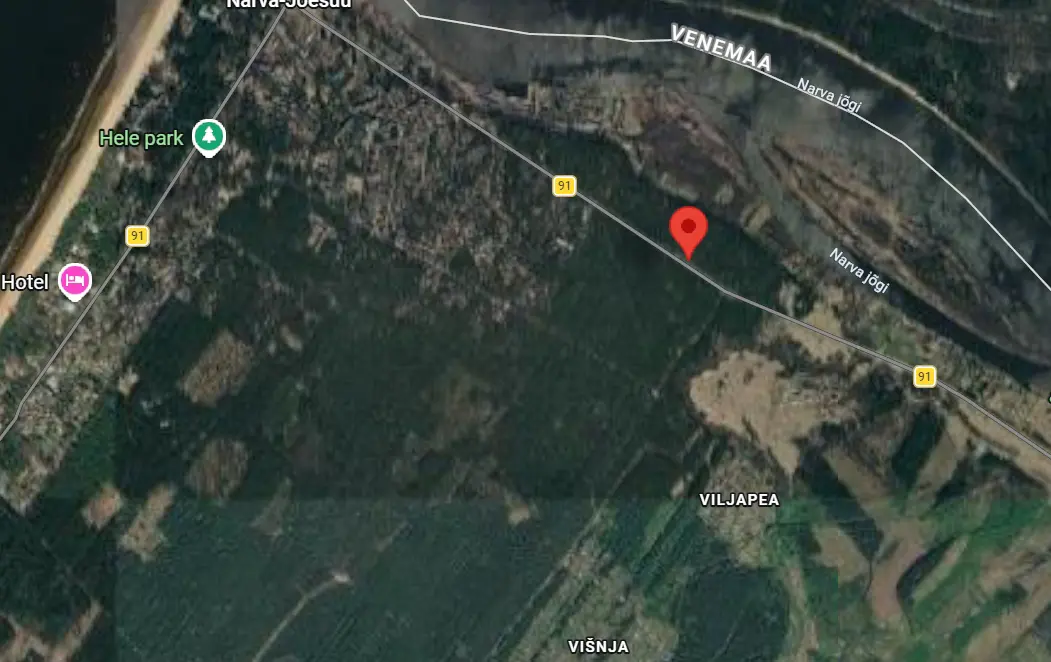
Narva-Jõesuu kalmistu is located at the entrance to Narva-Jõesuu when approaching from Narva, beside Jaan Poska Street (J. Poska). Its old section contains historic crosses and headstones, while the newer grounds have spacious paths and family burial plots.
Location and entrances
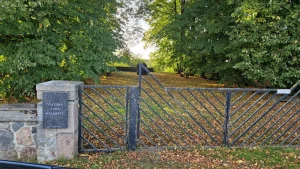
There are two entrances on the same side of the road: one leads to the old section and the other to the new section. If you are visiting a particular grave, check its location beforehand and choose the nearest entrance. This is especially useful when carrying flowers, tools or supplies for tending the plot.
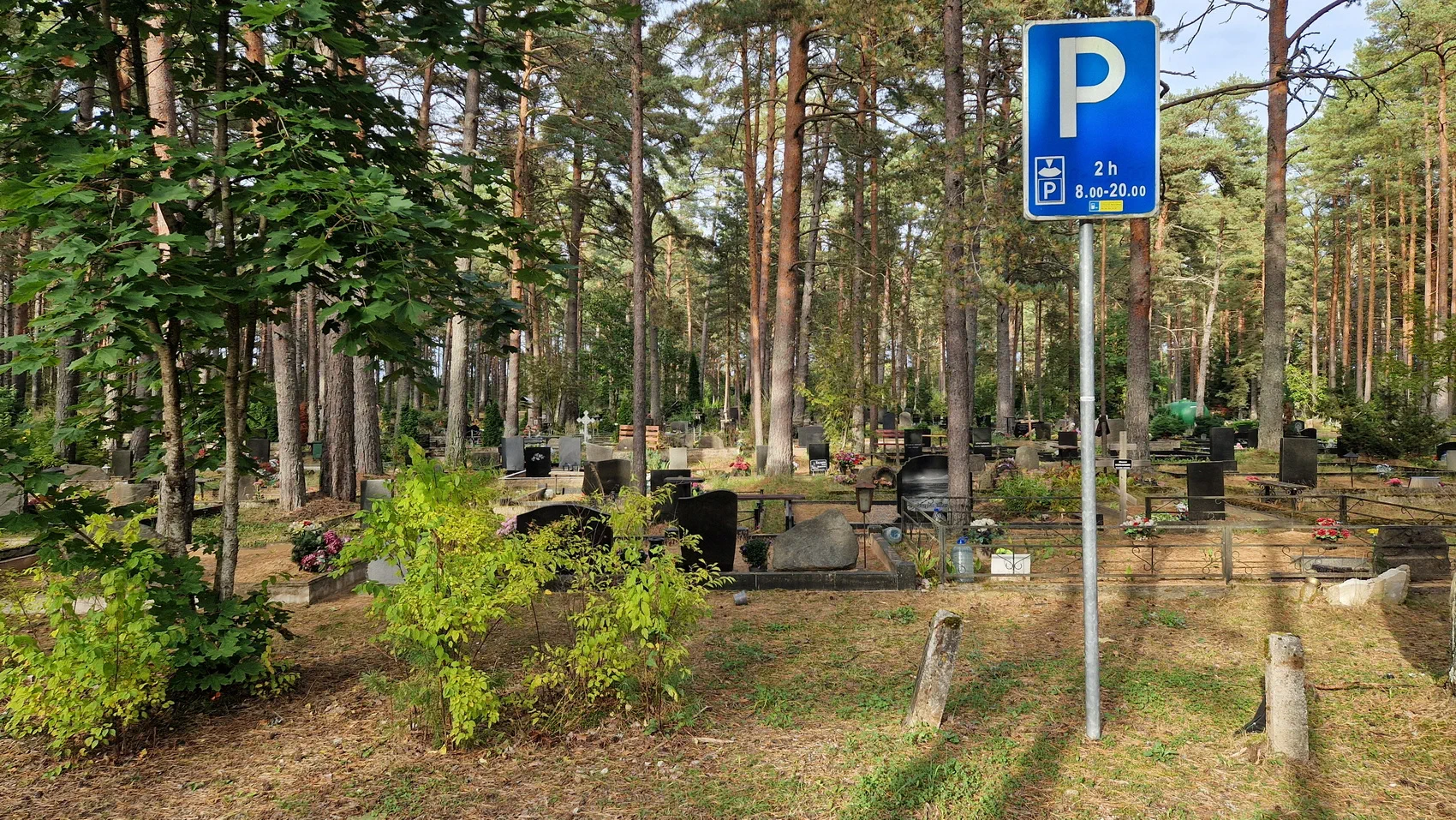
Parking near the cemetery
The paid parking season in Narva-Jõesuu runs from 1 May to 30 September. Before visiting, check the latest information from the town government and the signs at your chosen parking area.
According to the published parking conditions, the municipal cemetery car parks on J. Poska Street offer 120 minutes of free parking when using a parking disc. Set your arrival time and display the disc clearly behind the windscreen. If you stay longer during chargeable hours, you will need to pay for parking. This exception applies specifically to the cemetery car parks; conditions in neighbouring parking areas may differ.
Water and waste disposal
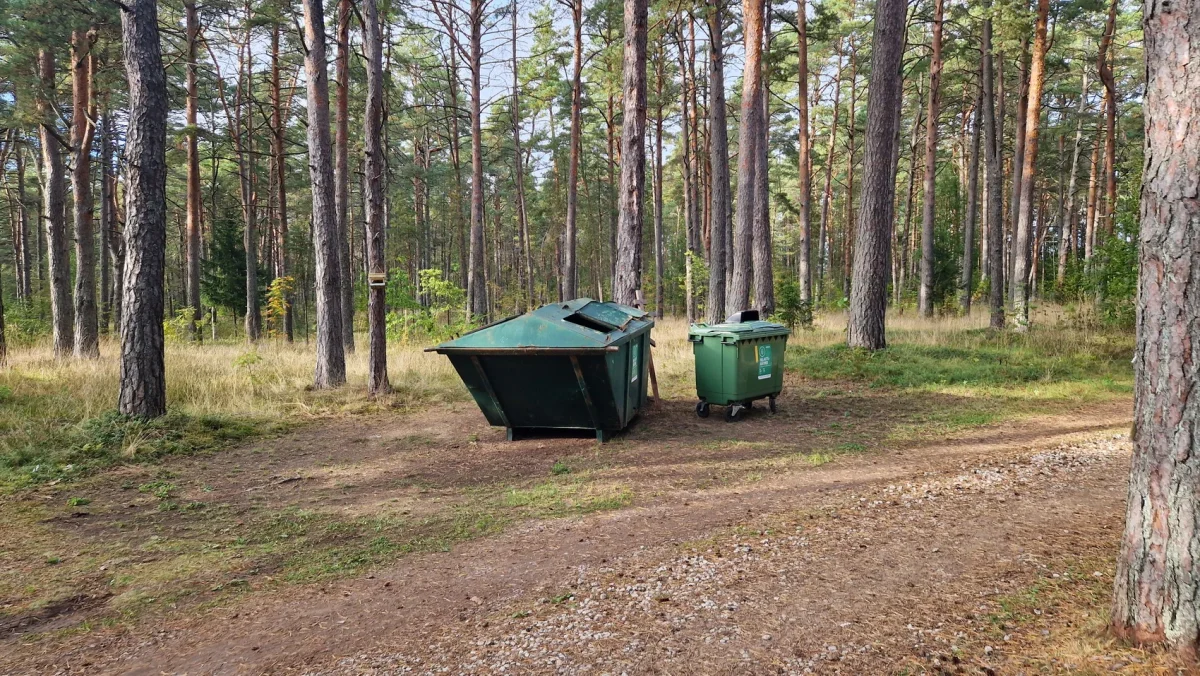
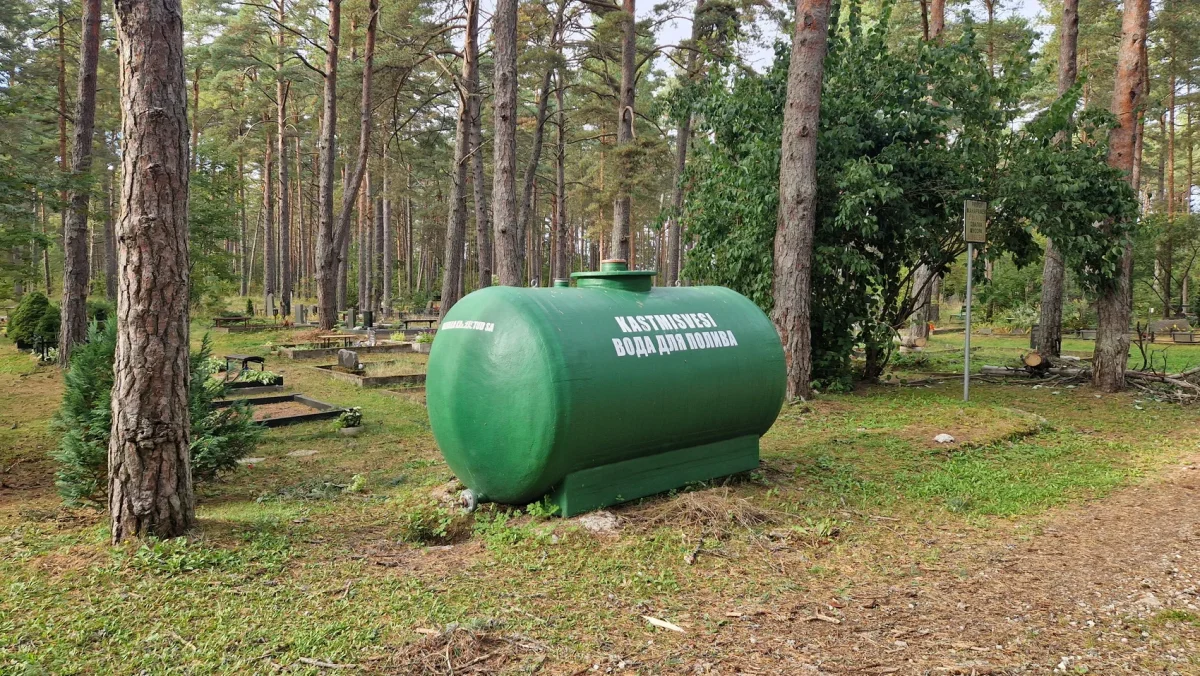
The grounds have several waste containers and a barrel of water for watering plants. Information signs remind visitors to separate their waste: leaves, grass and wilted natural flowers should be kept separate from packaging, artificial flowers and used candle containers, following the labels on the bins.
The old section: crosses and historic inscriptions
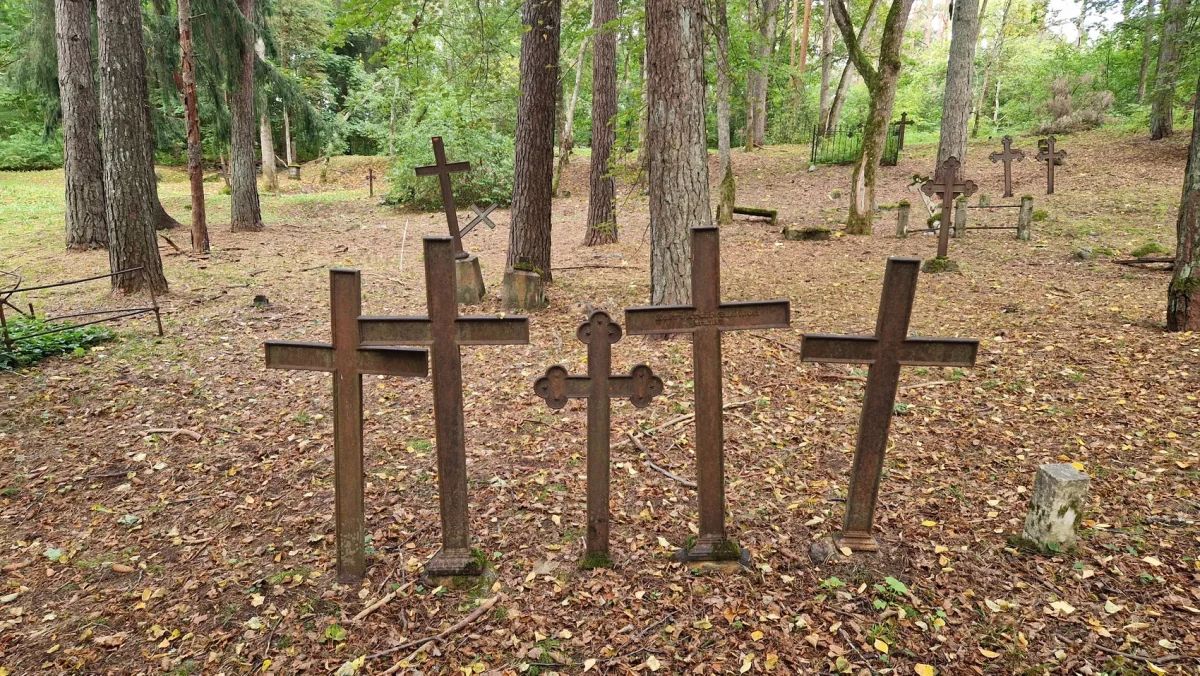
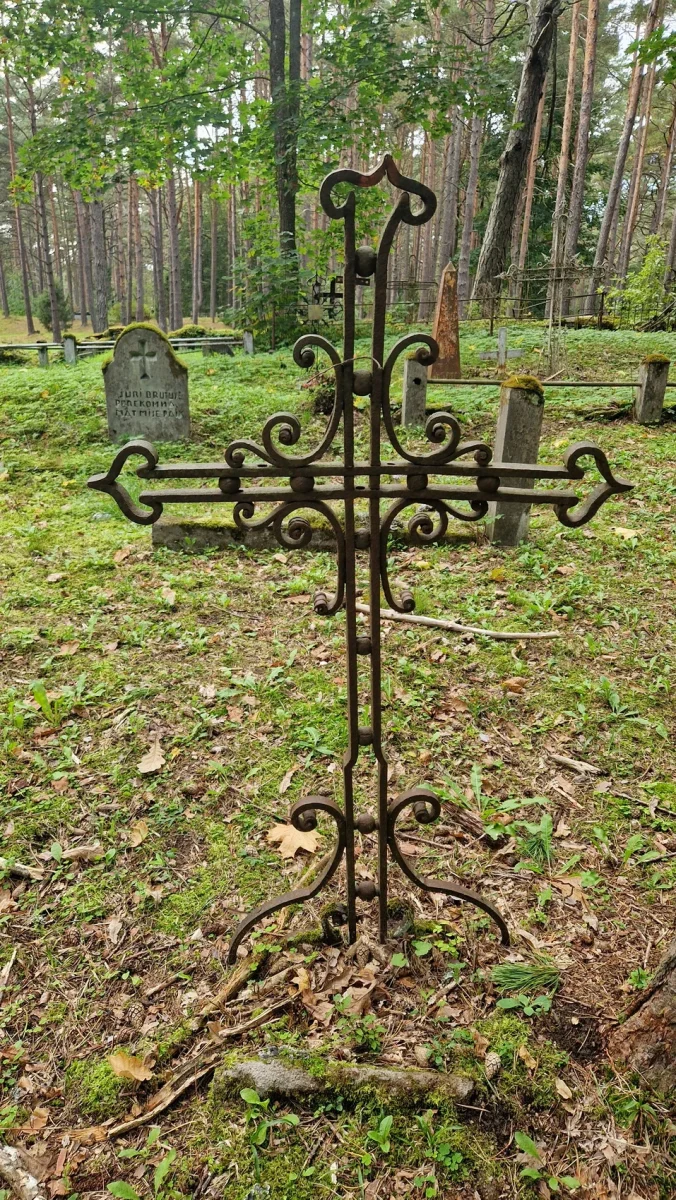
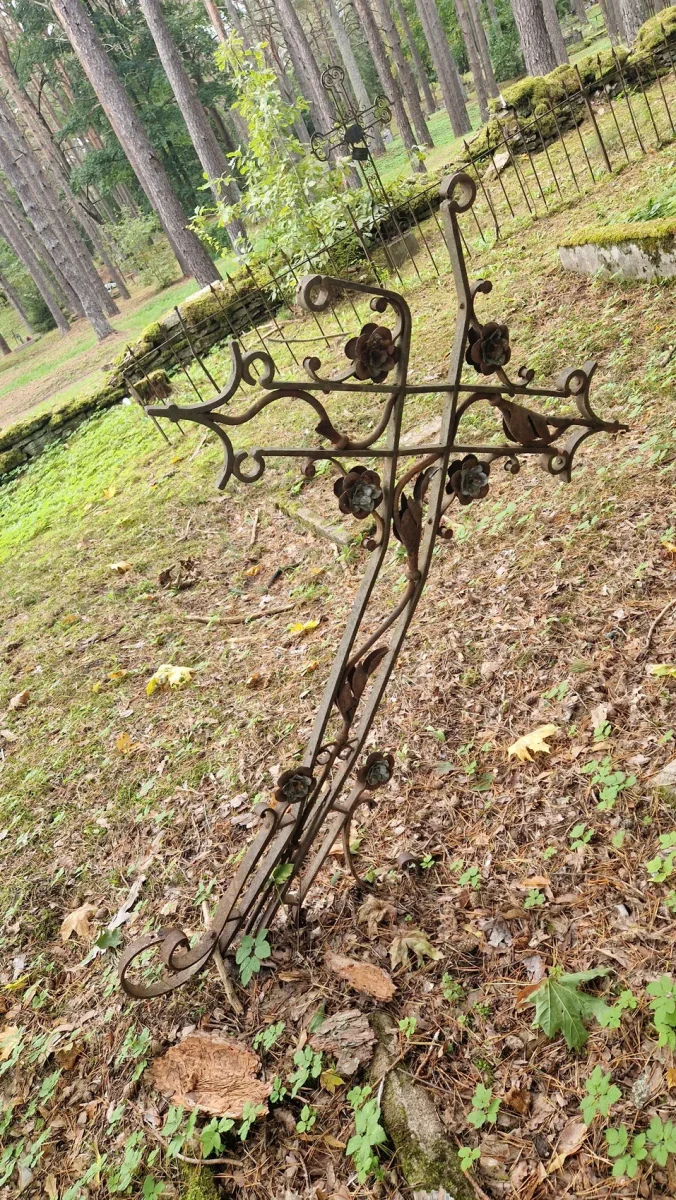
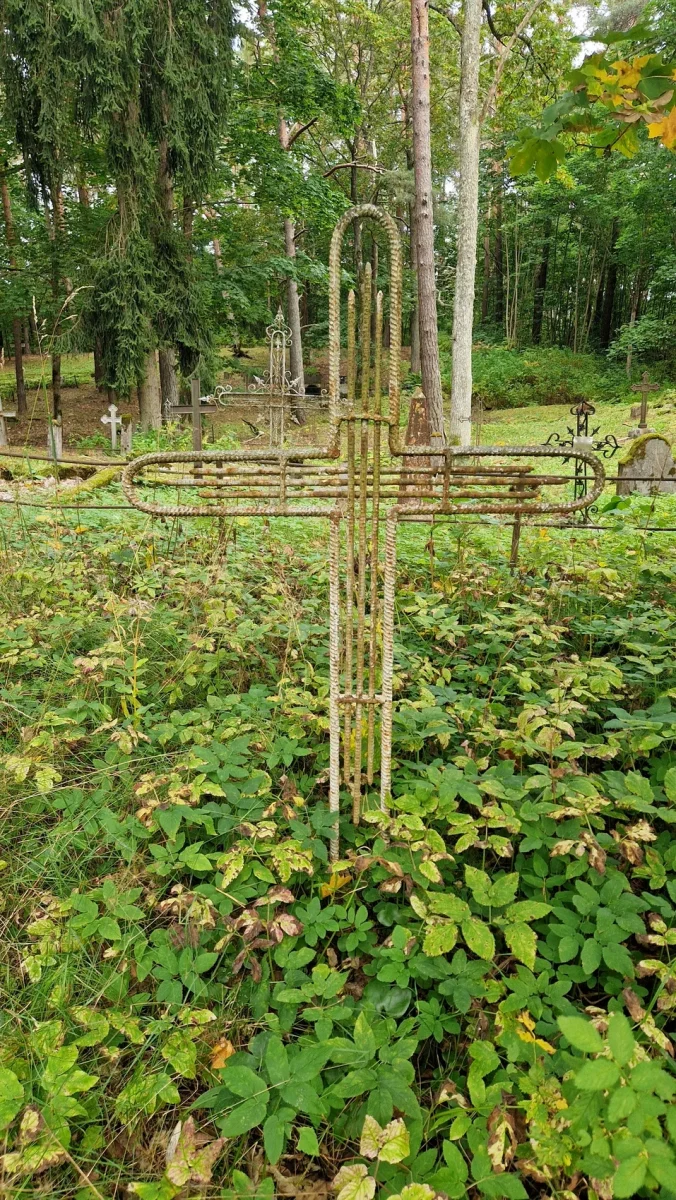
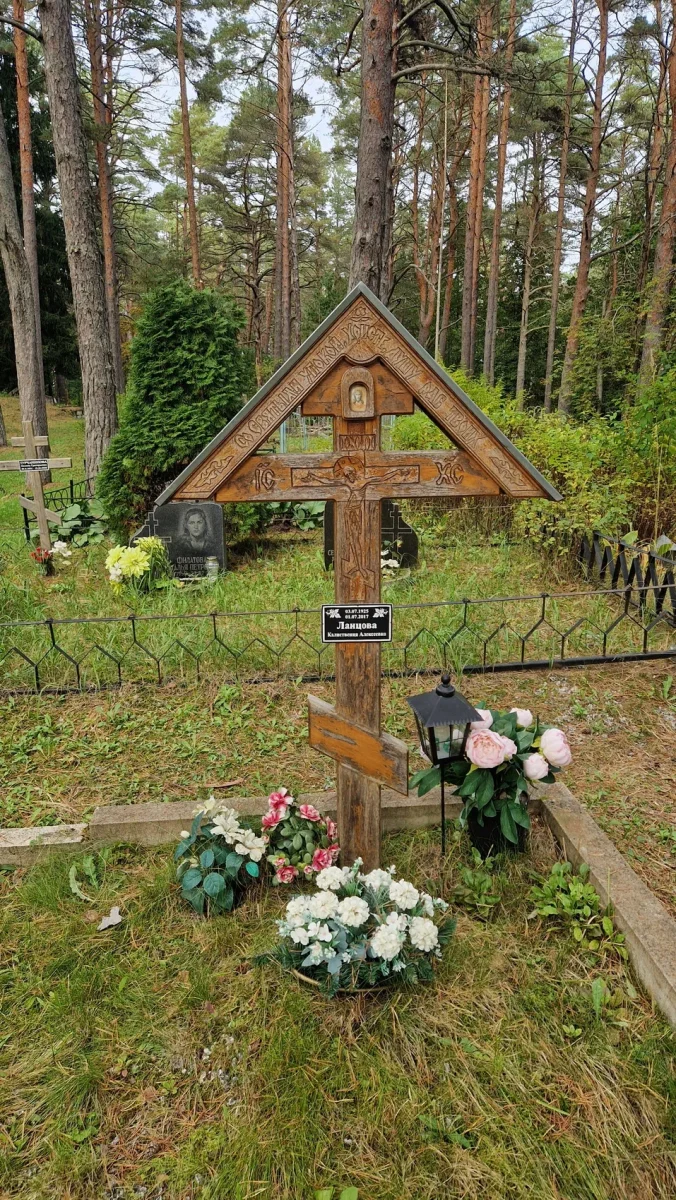
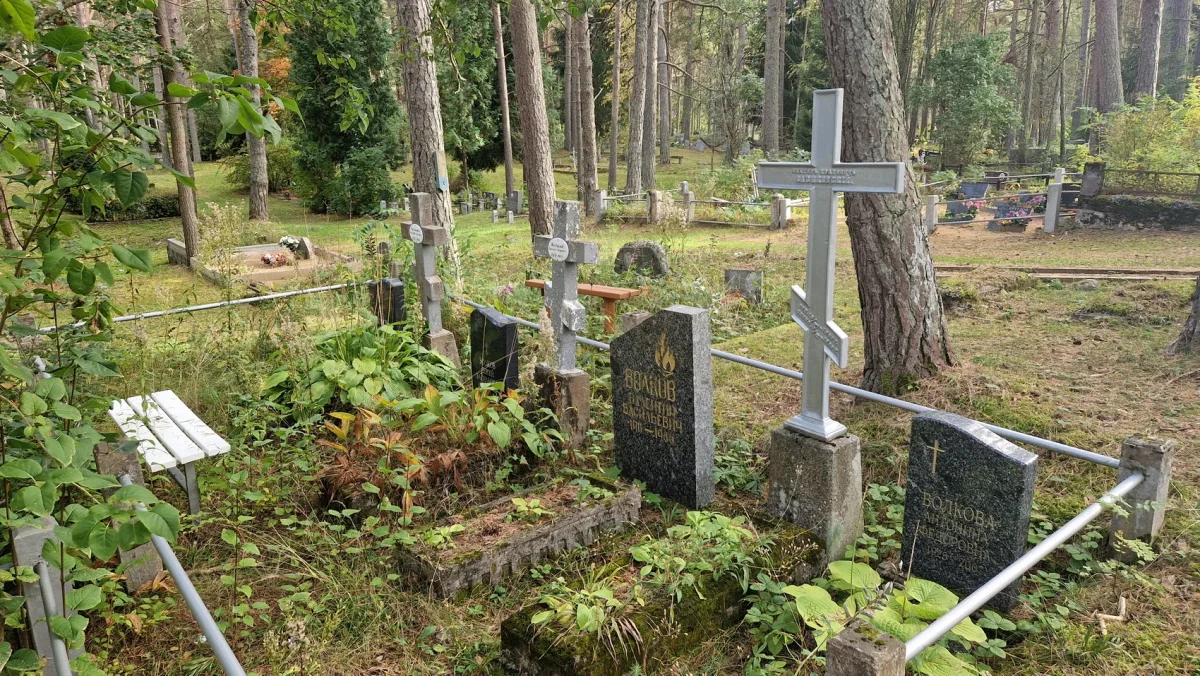
During the visit, many graves in the old section appeared damaged, and some crosses were in poor condition. However, headstones with historic inscriptions and unusually shaped crosses have survived.
This section of the cemetery is of interest to anyone researching local families and burial traditions. Names, dates and surviving inscriptions may help with family history research. Old monuments require care: avoid leaning on tilted crosses or railings while exploring.
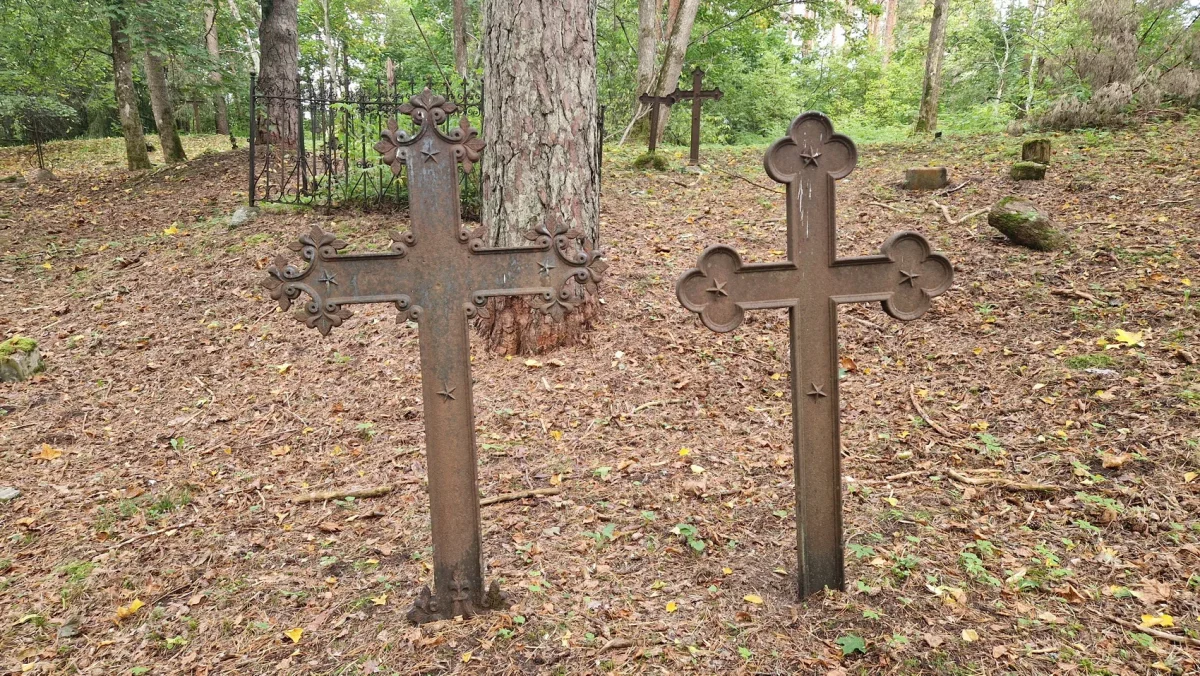
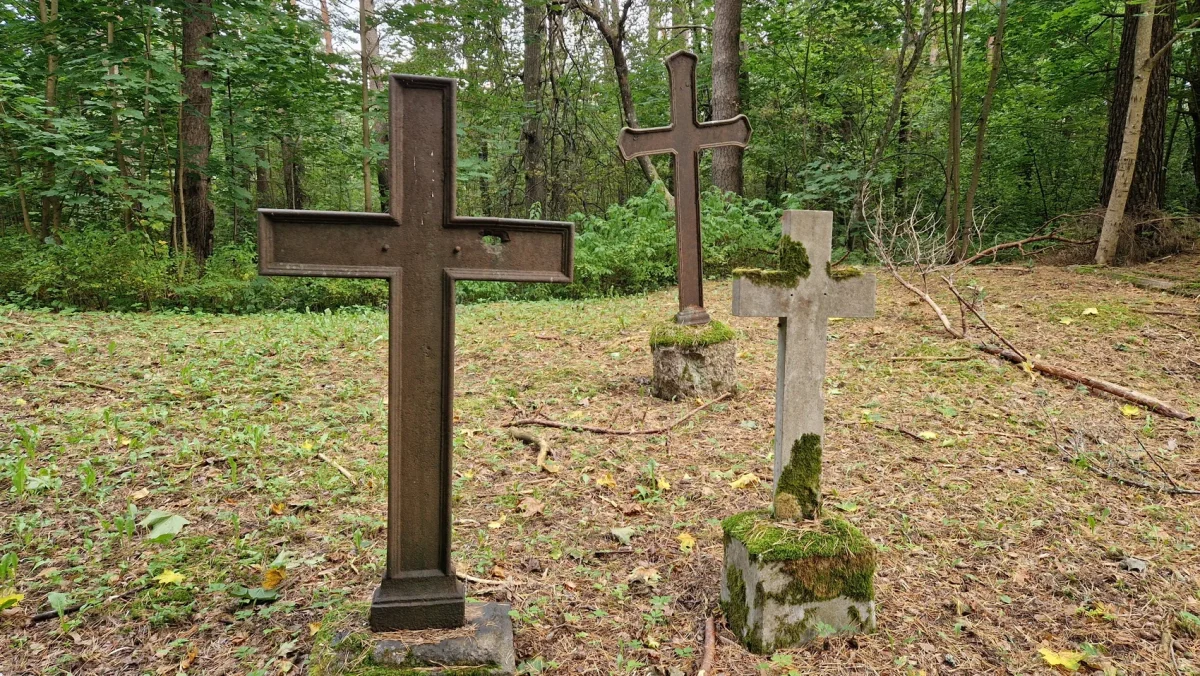
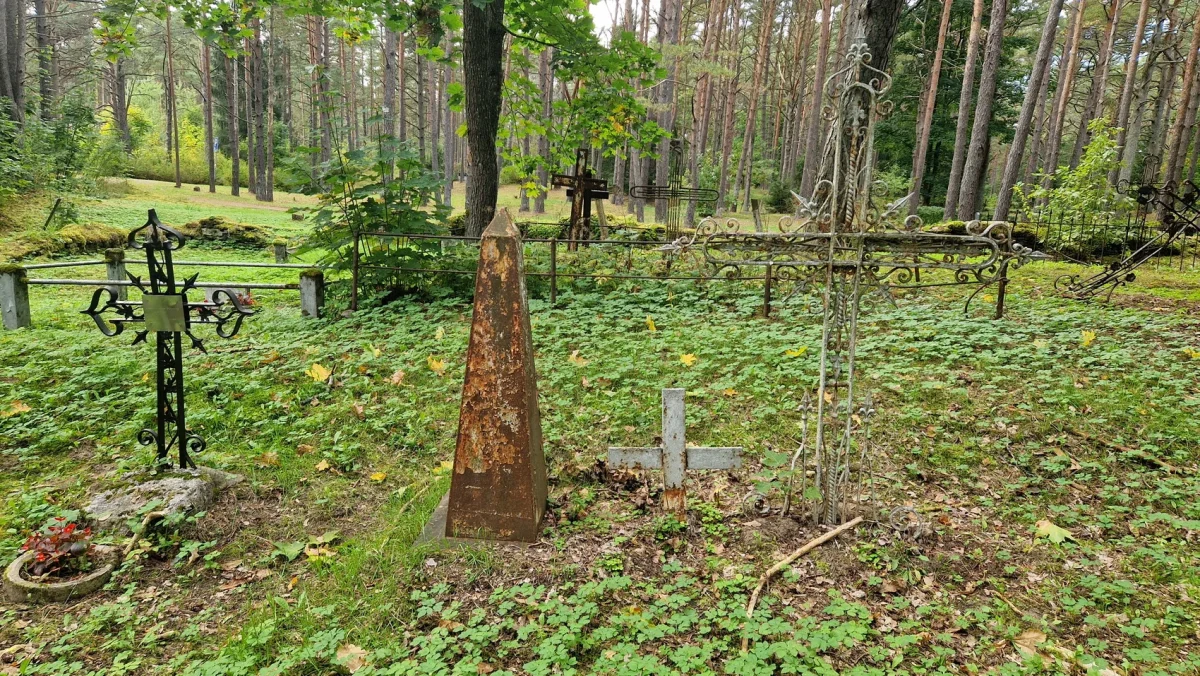
Some crosses bear distinctive inscriptions.
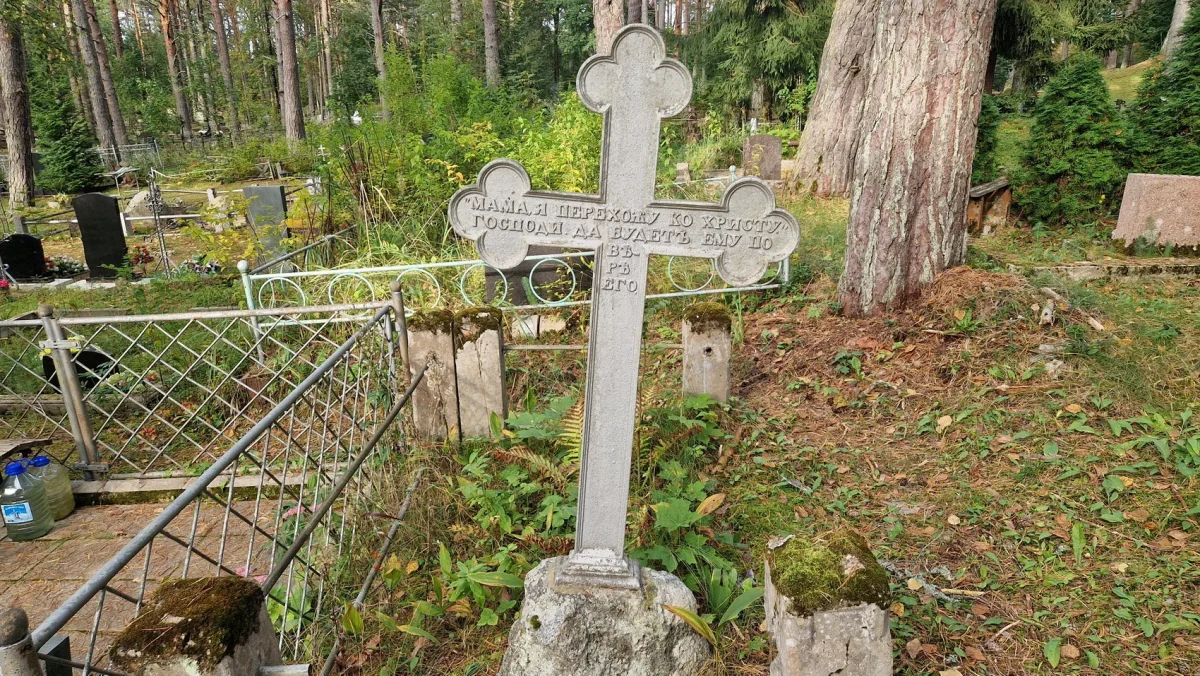
The inscription on the cross reads:
“Mother, I am going to Christ.
Lord, Thy will be done.”
The Russian text uses pre-reform spelling: “будетъ” ends with a hard sign.
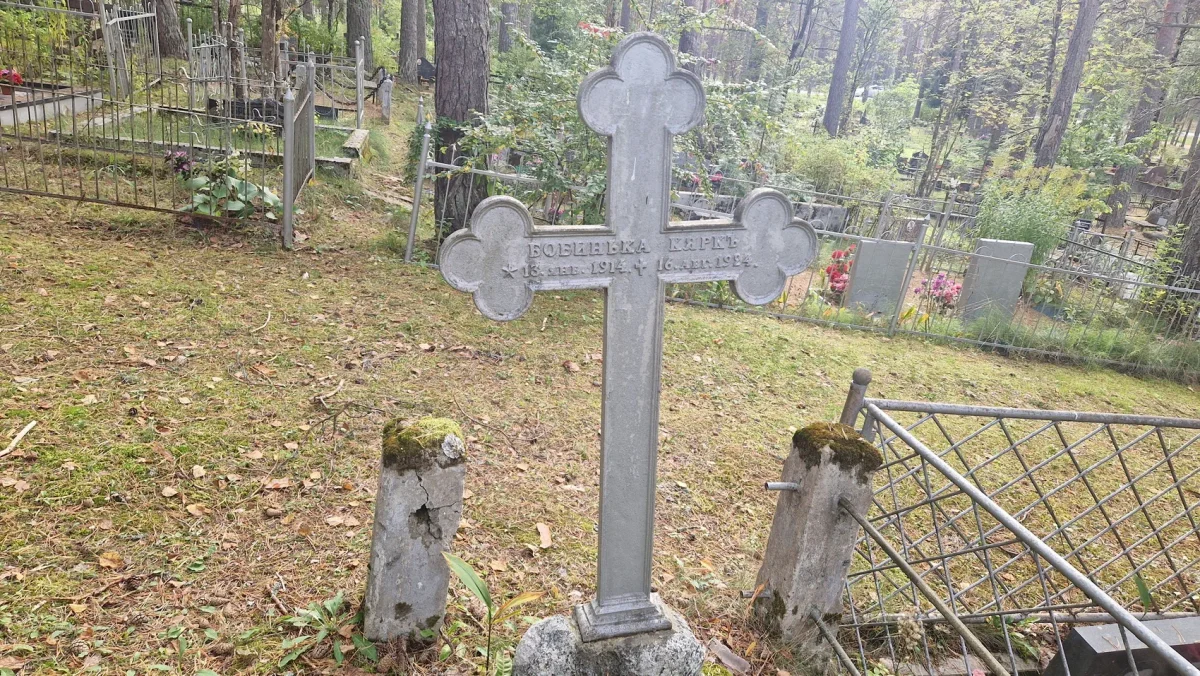
The inscription on the cross appears to read:
“Bosenka Kirk”
“✝ 16 May 1914 — † 16 April 1924”
The surname ends with a hard sign, following pre-reform Russian spelling: “Киркъ”.
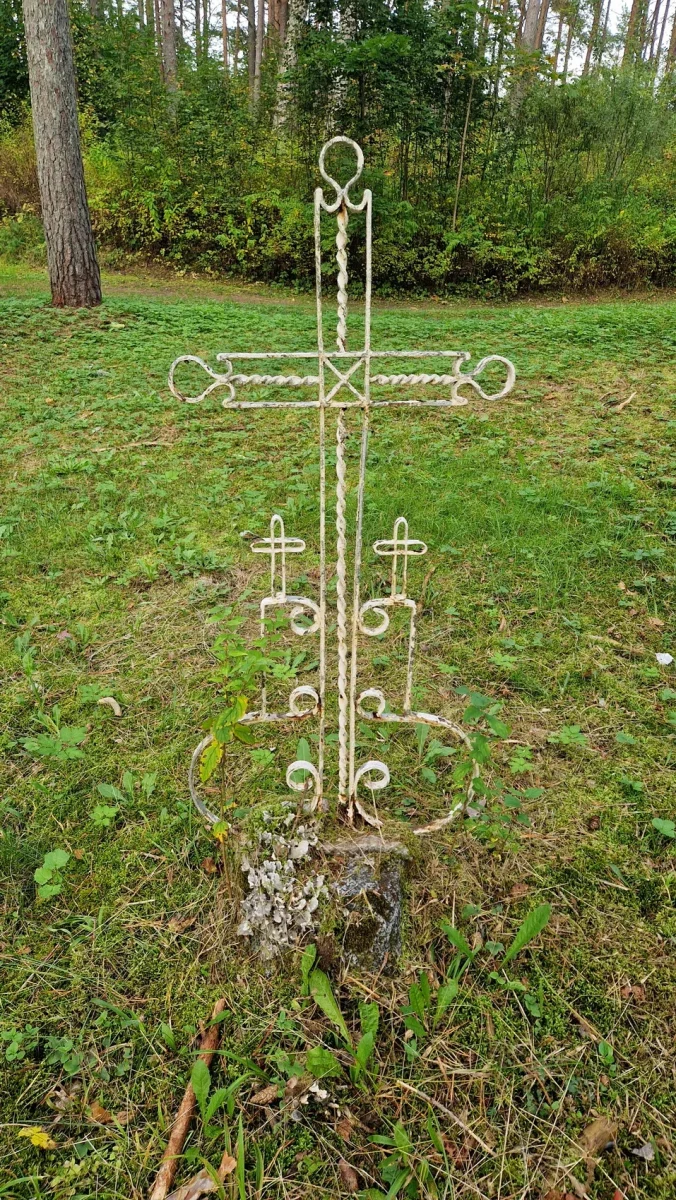
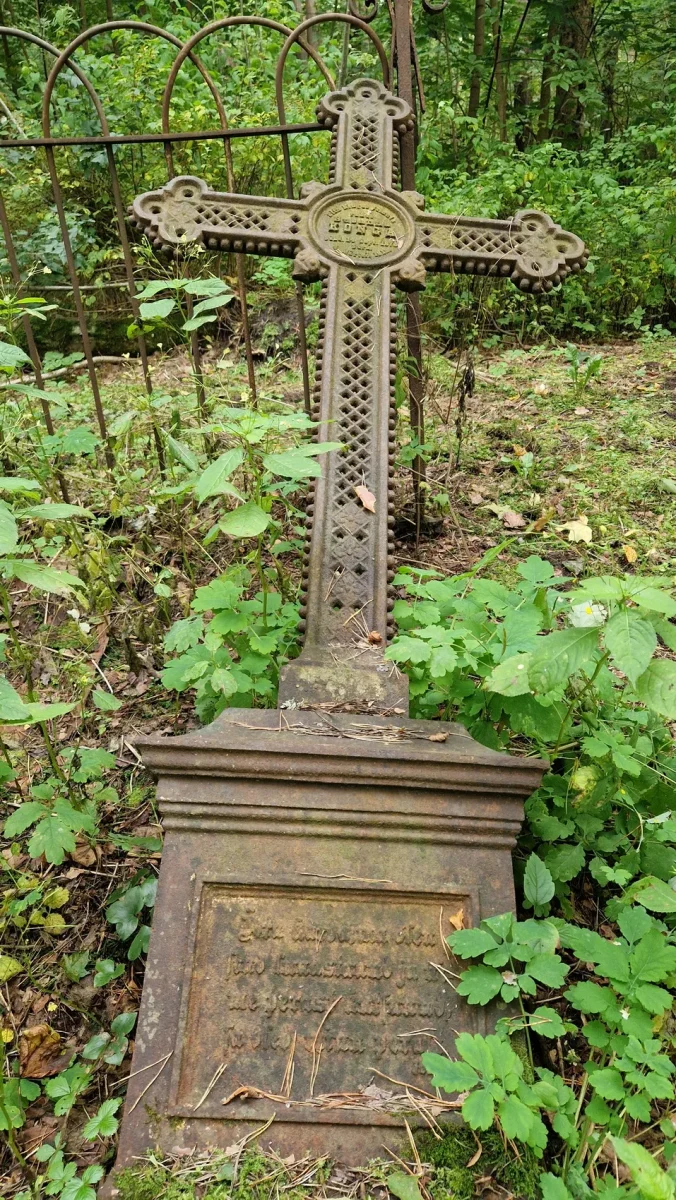
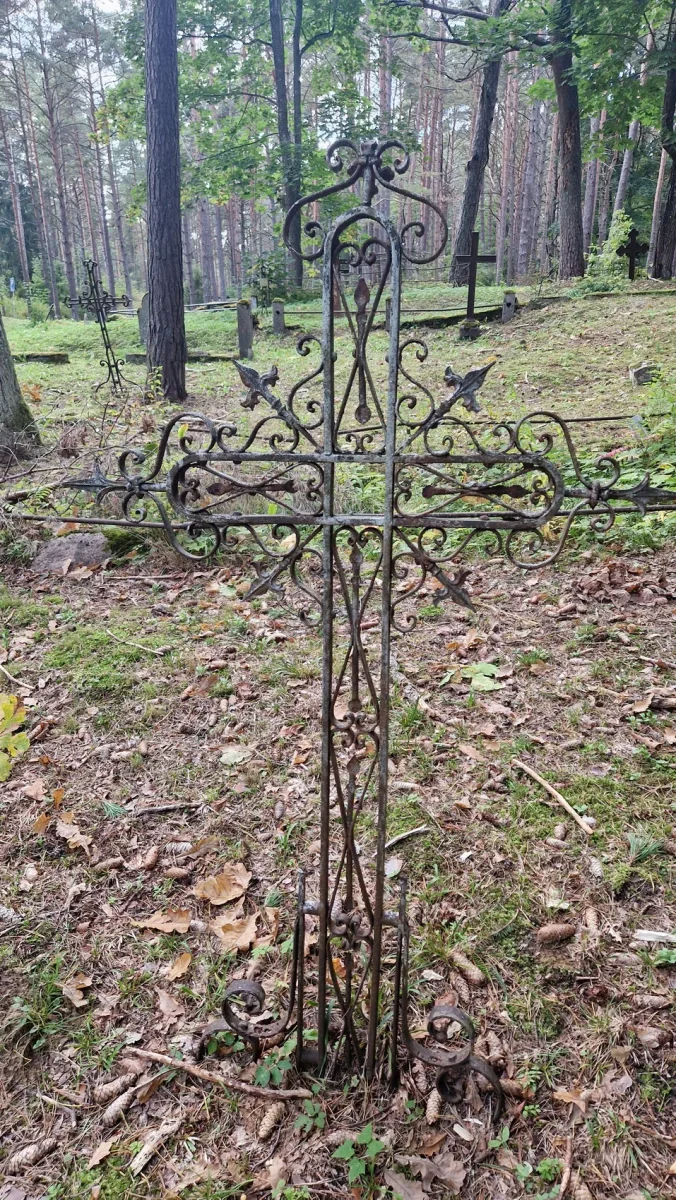
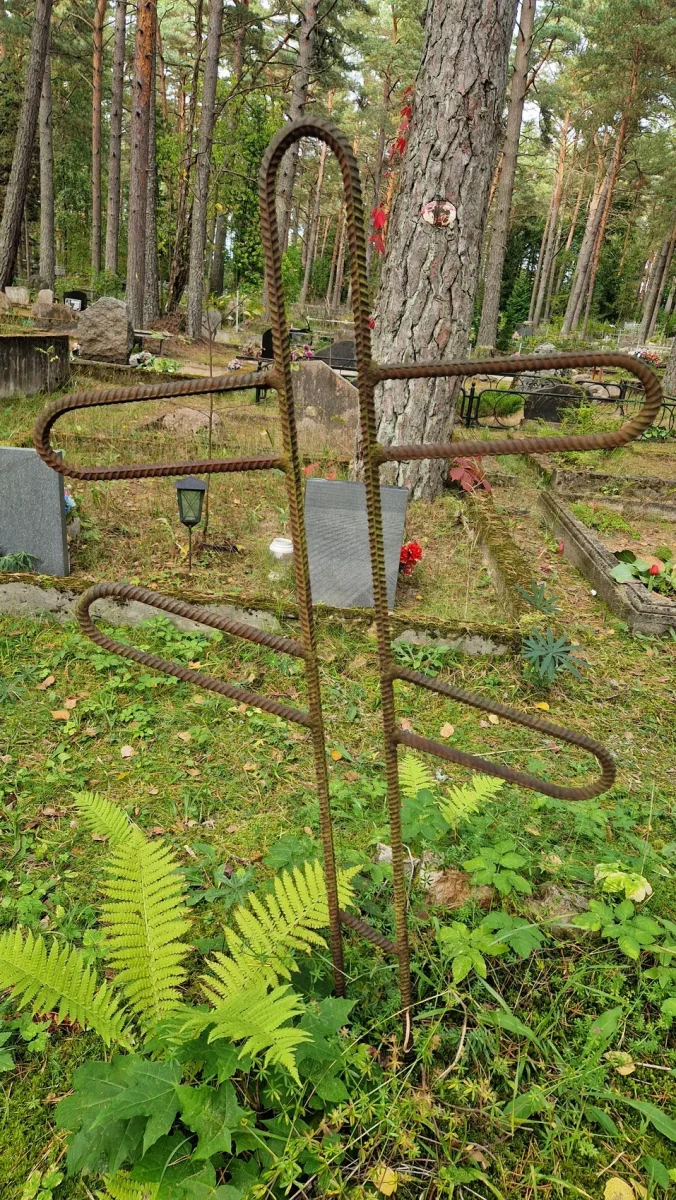
A distinctive message on one headstone catches the eye.
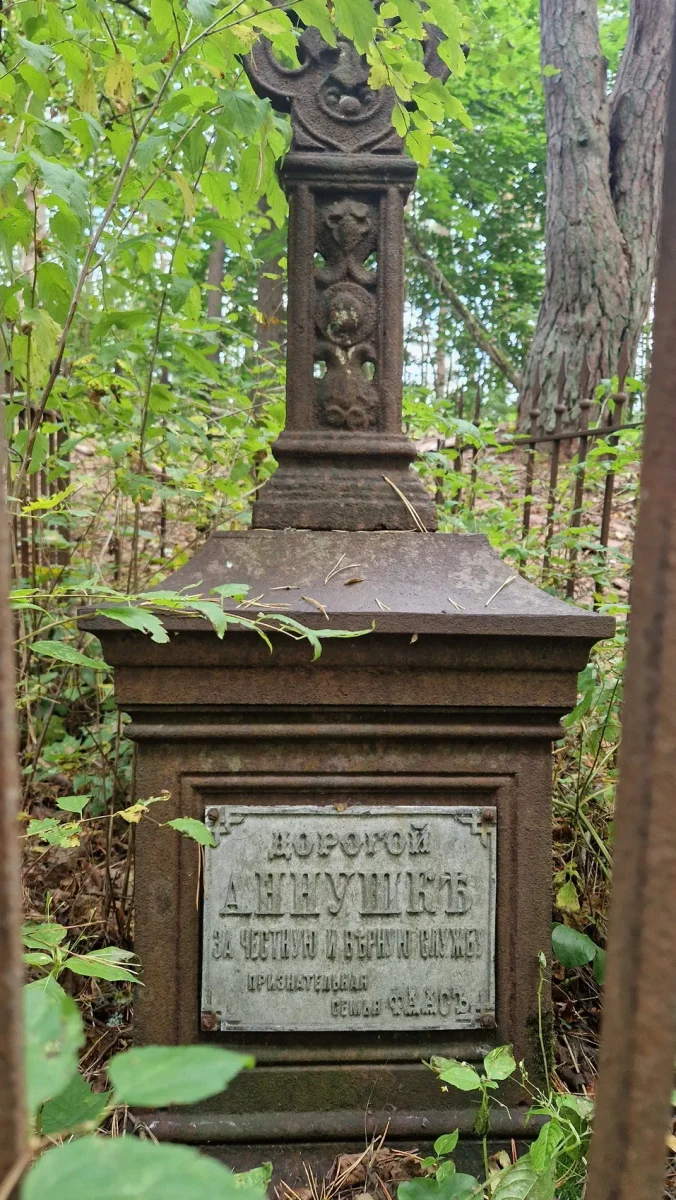
The plaque reads:
To dear
ANNUSHKA
for her honest and faithful service
from the grateful
FAAS family.
In modern wording: “To dear Annushka, for her honest and faithful service. With gratitude from the Faas family.”
The new section and family burial plots
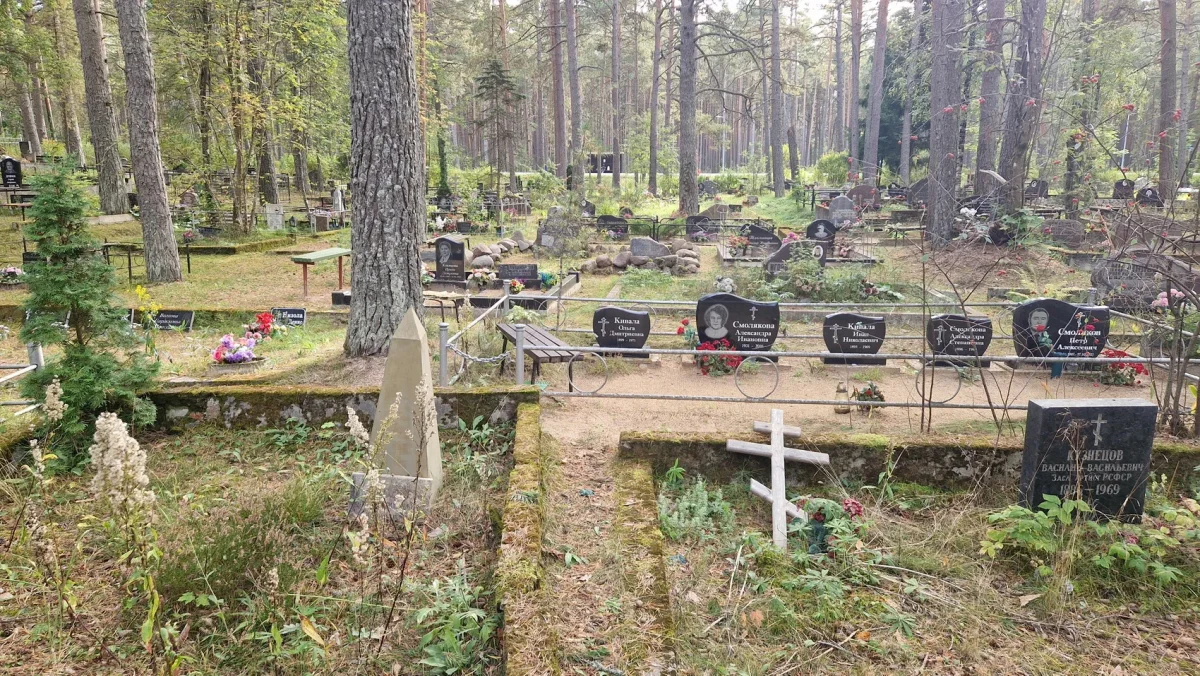
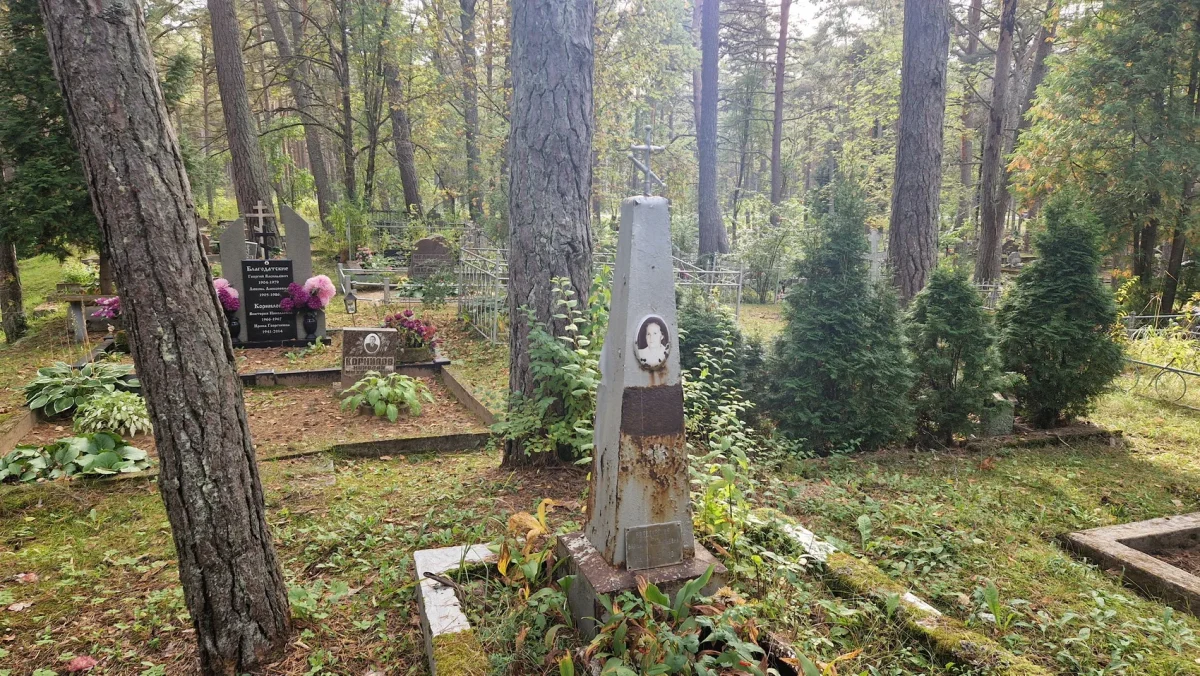
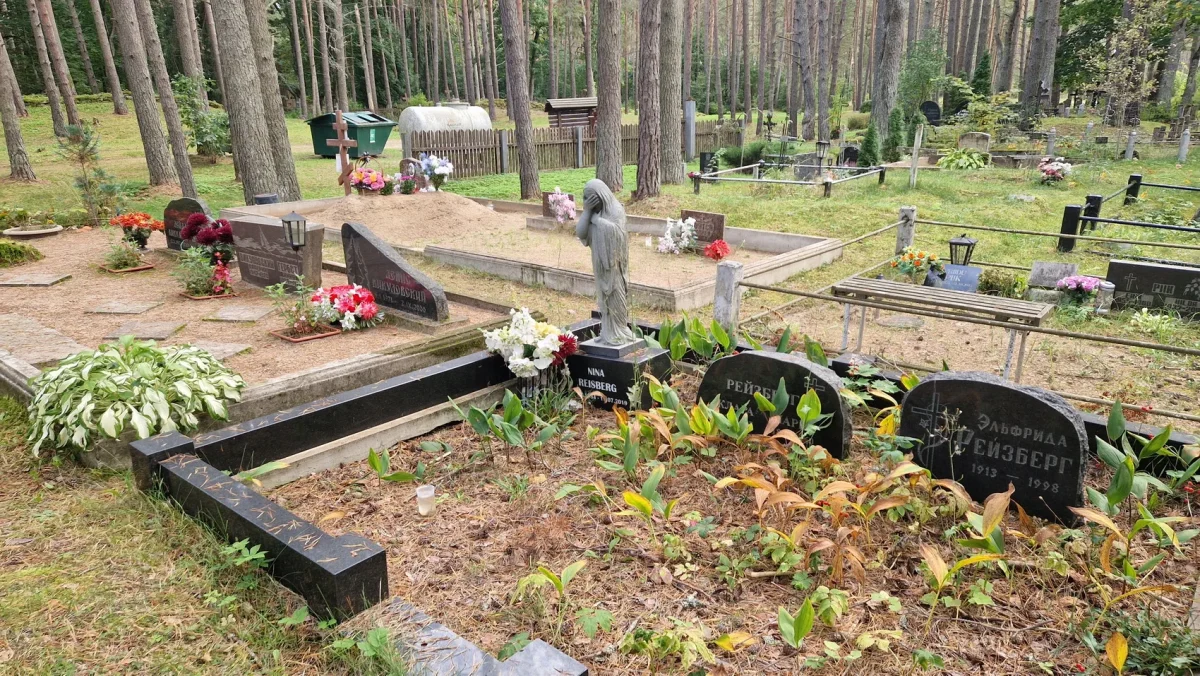
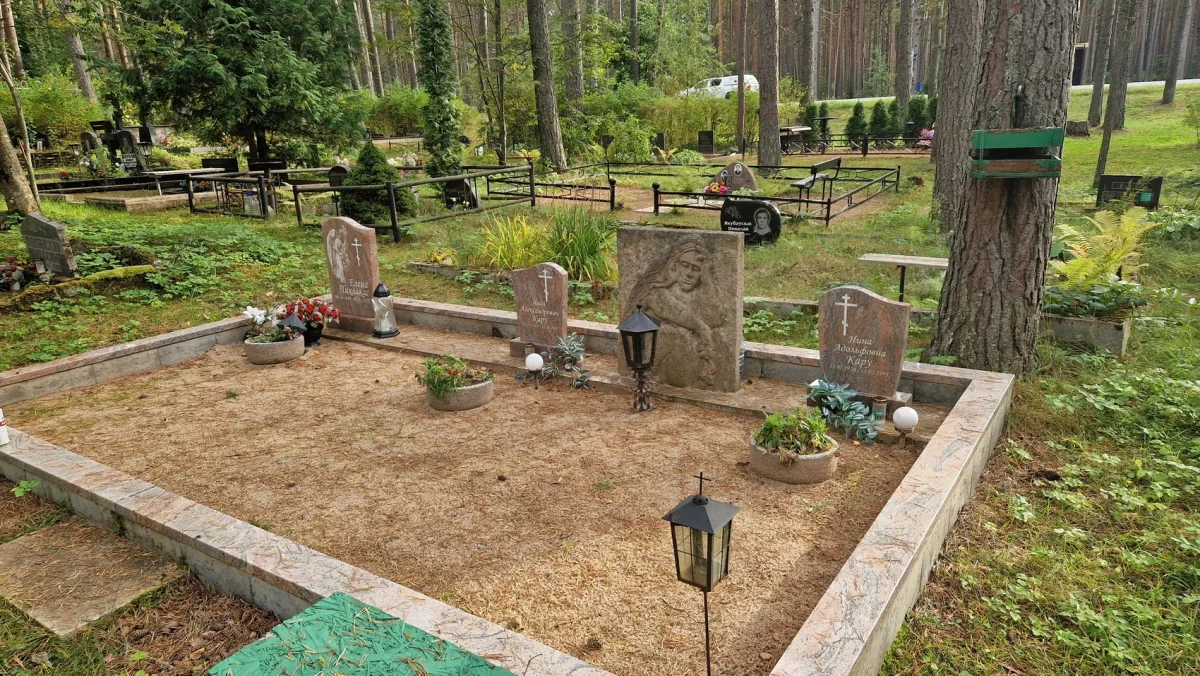
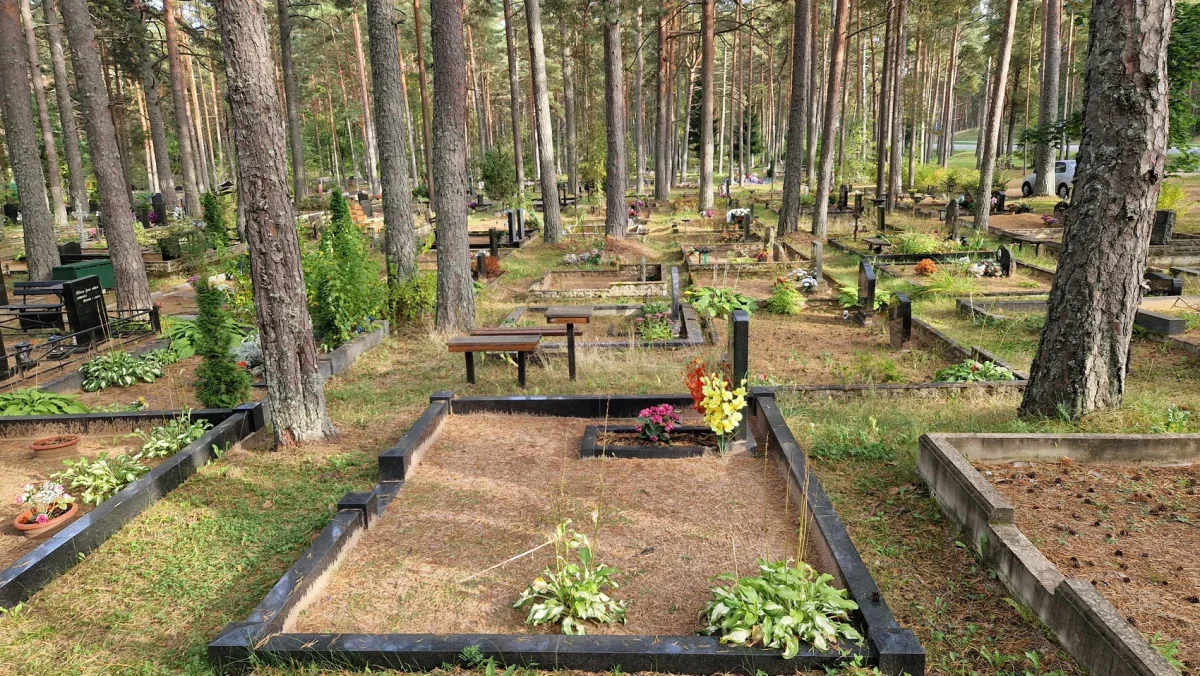
The new section has wider paths, making the graves easier to reach. There are many family plots where several relatives are buried together. During the visit, most graves appeared to face the same direction, giving the rows an orderly appearance.
Collective graves and memorials
War of Independence memorial
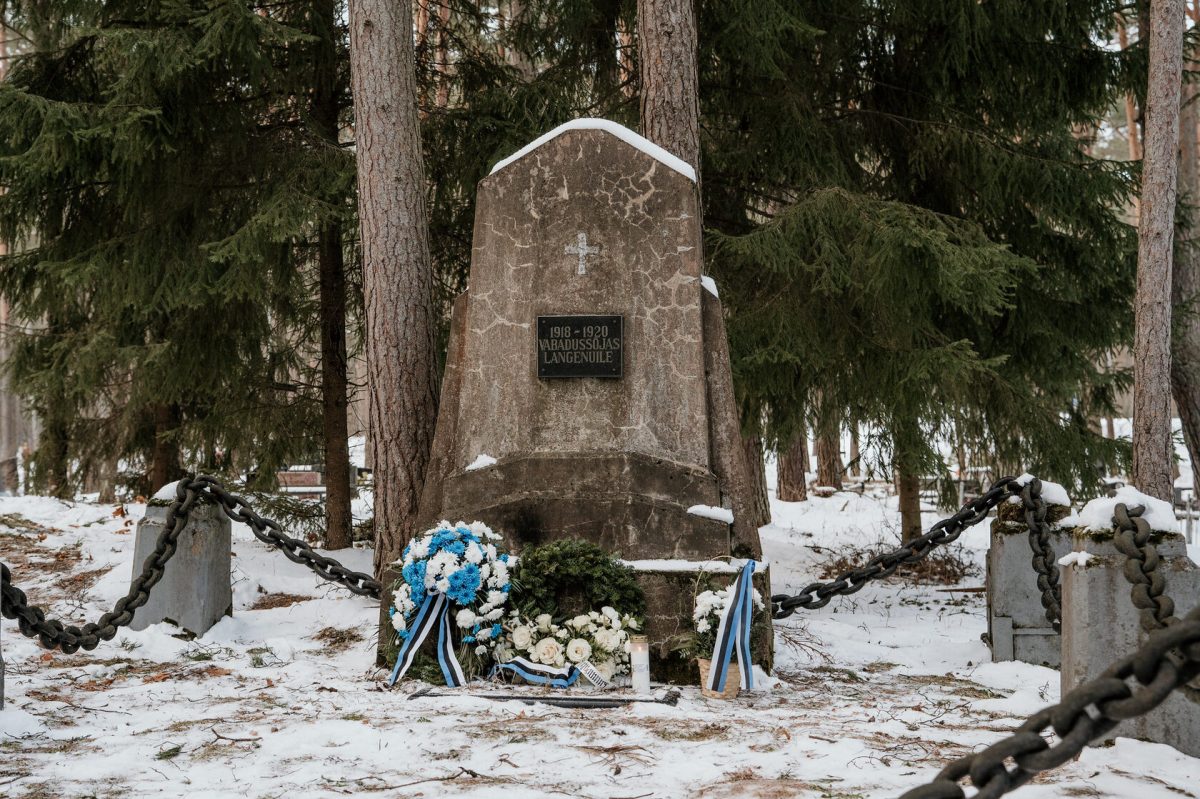
The cemetery contains collective graves. One historic memorial commemorates those who fell in the Estonian War of Independence of 1918–1920 and stands on the shared grave of soldiers who fought for the country’s independence.
The memorial was unveiled on 23 June 1926. According to the town’s tourism portal, it was made by engineer Vaher to a design by sculptor Amandus Adamson. The obelisk is topped with a cross. The original copper plaque disappeared before the Second World War; after the summer of 1991, it was replaced with a granite plaque. History of the memorial.
Collective grave of Russian soldiers
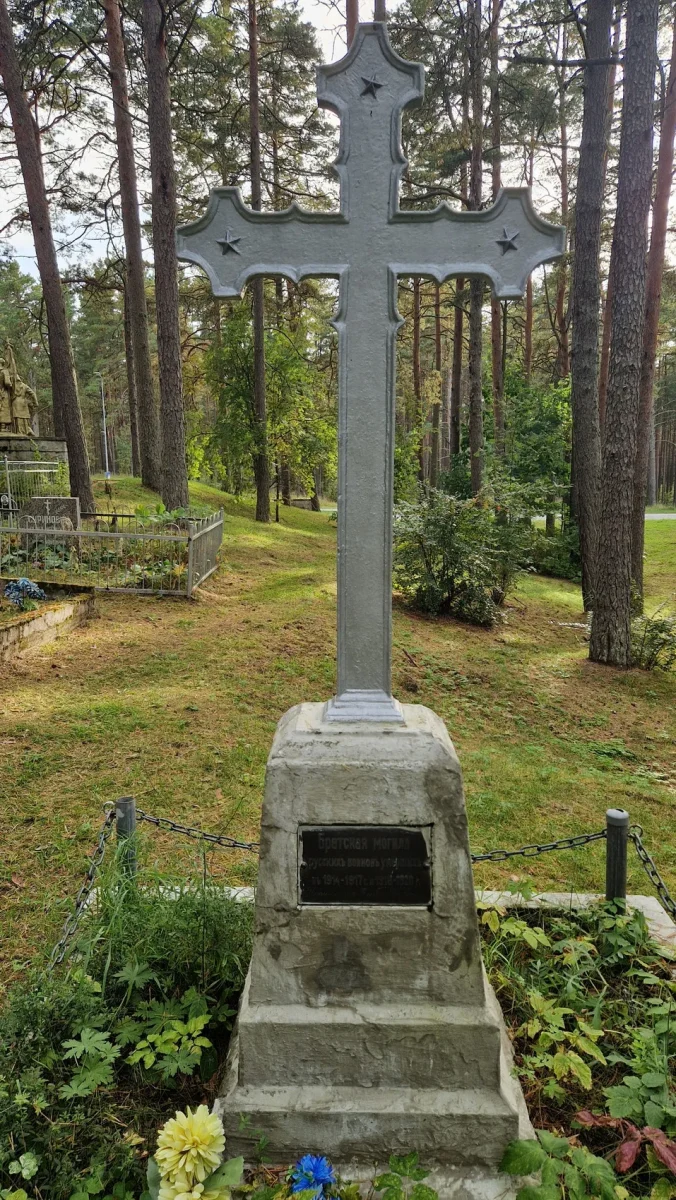
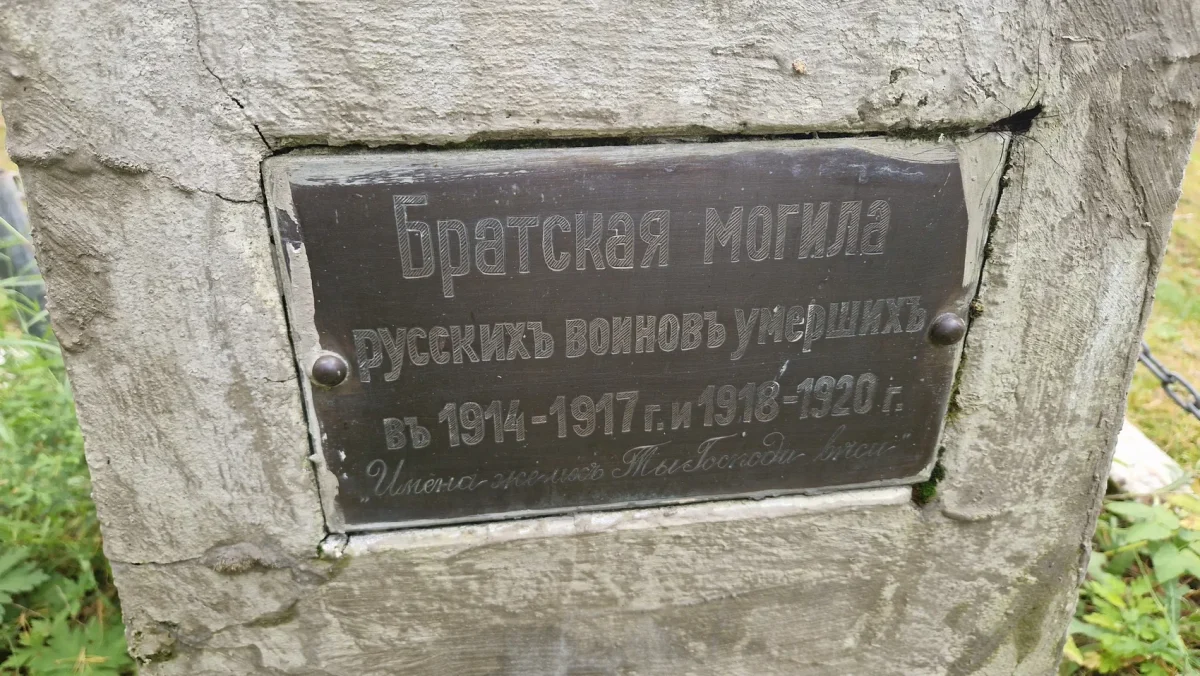
The plaque reads:
Collective grave
of Russian soldiers who died
in 1914–1917 and 1918–1920.
“Their names Thou knowest, O Lord.”
The final line means: “You know their names, O Lord.”
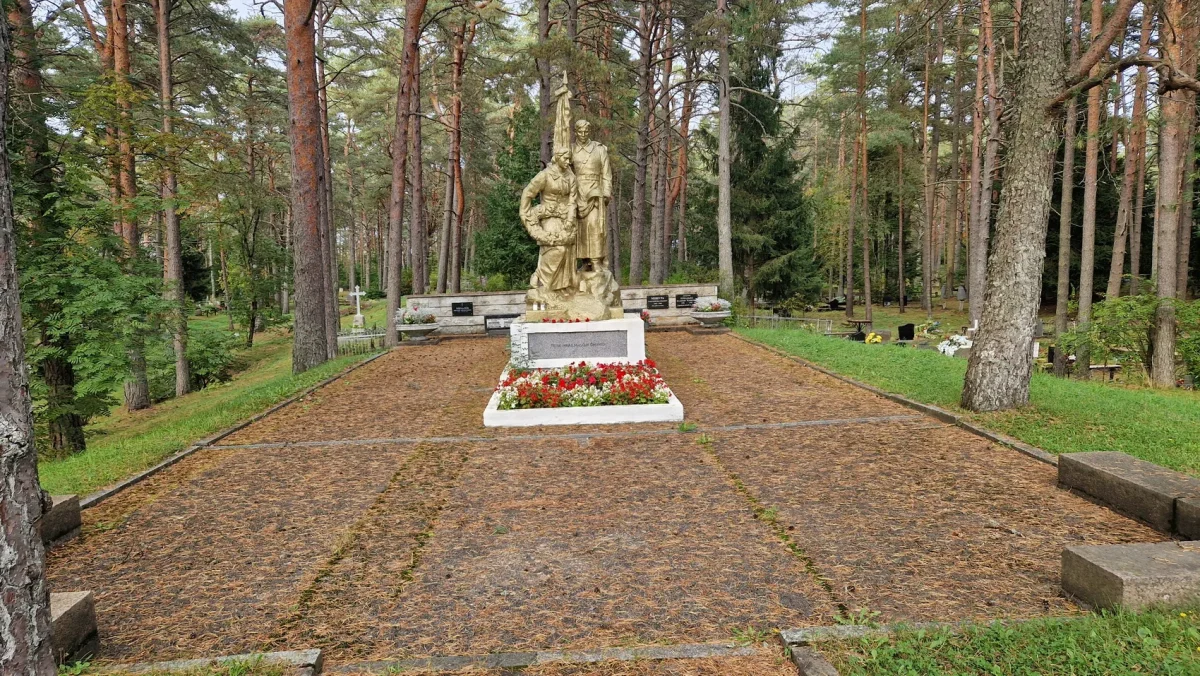
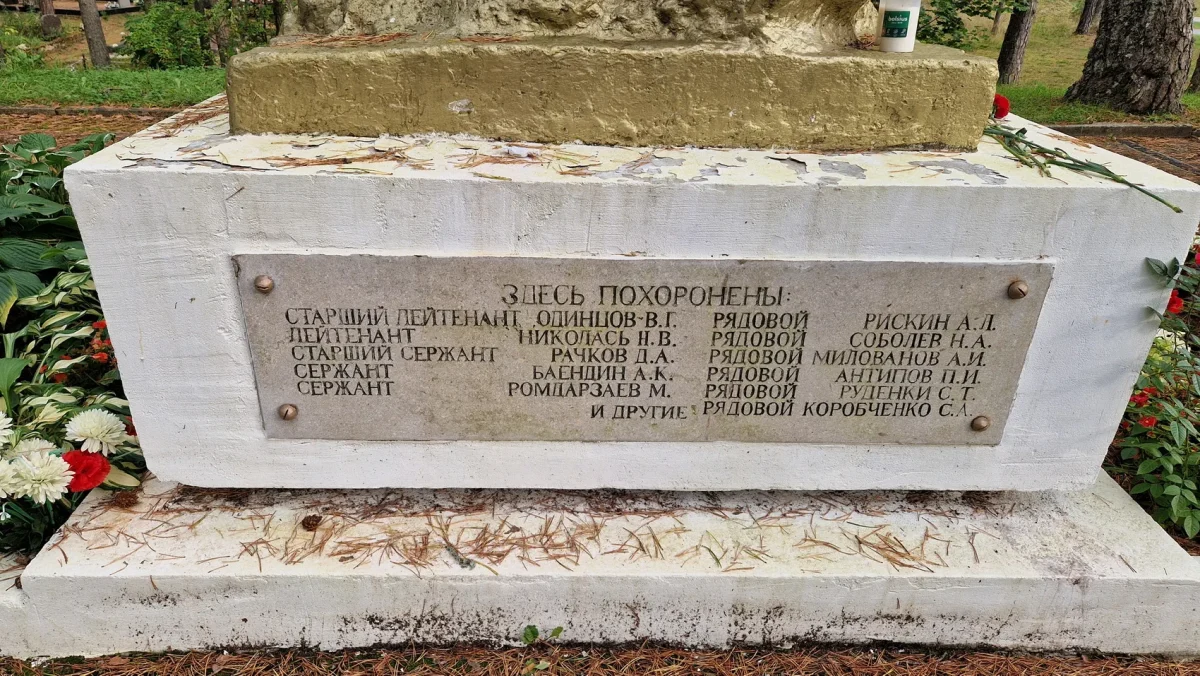
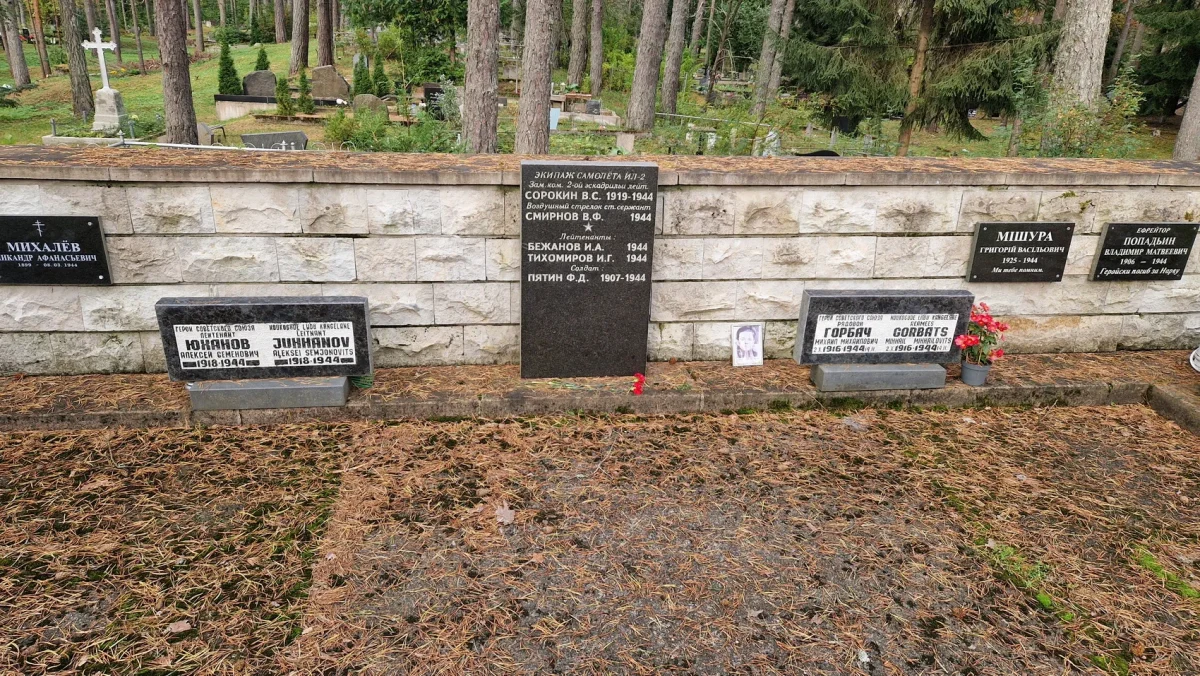
Collective grave of Second World War soldiers
This is one of the few remaining memorials on collective graves of Soviet soldiers.
How to find a grave at Narva-Jõesuu Cemetery
You can begin your search on the Narva-Jõesuu kalmistu page at Kalmistud.ee. It provides a search by the deceased’s first name and surname, along with a cemetery map. Save the information before your visit to make the plot easier to find on site.
If you have been unable to locate a family burial plot yourself, Angelio can help check the register and carry out a grave search within the cemetery. Once the grave has been found, you will receive photographs. If needed, you can book grave plot cleaning and ongoing seasonal grave care.