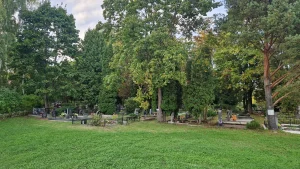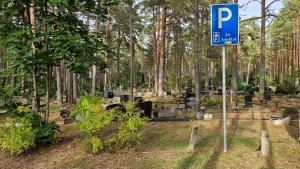
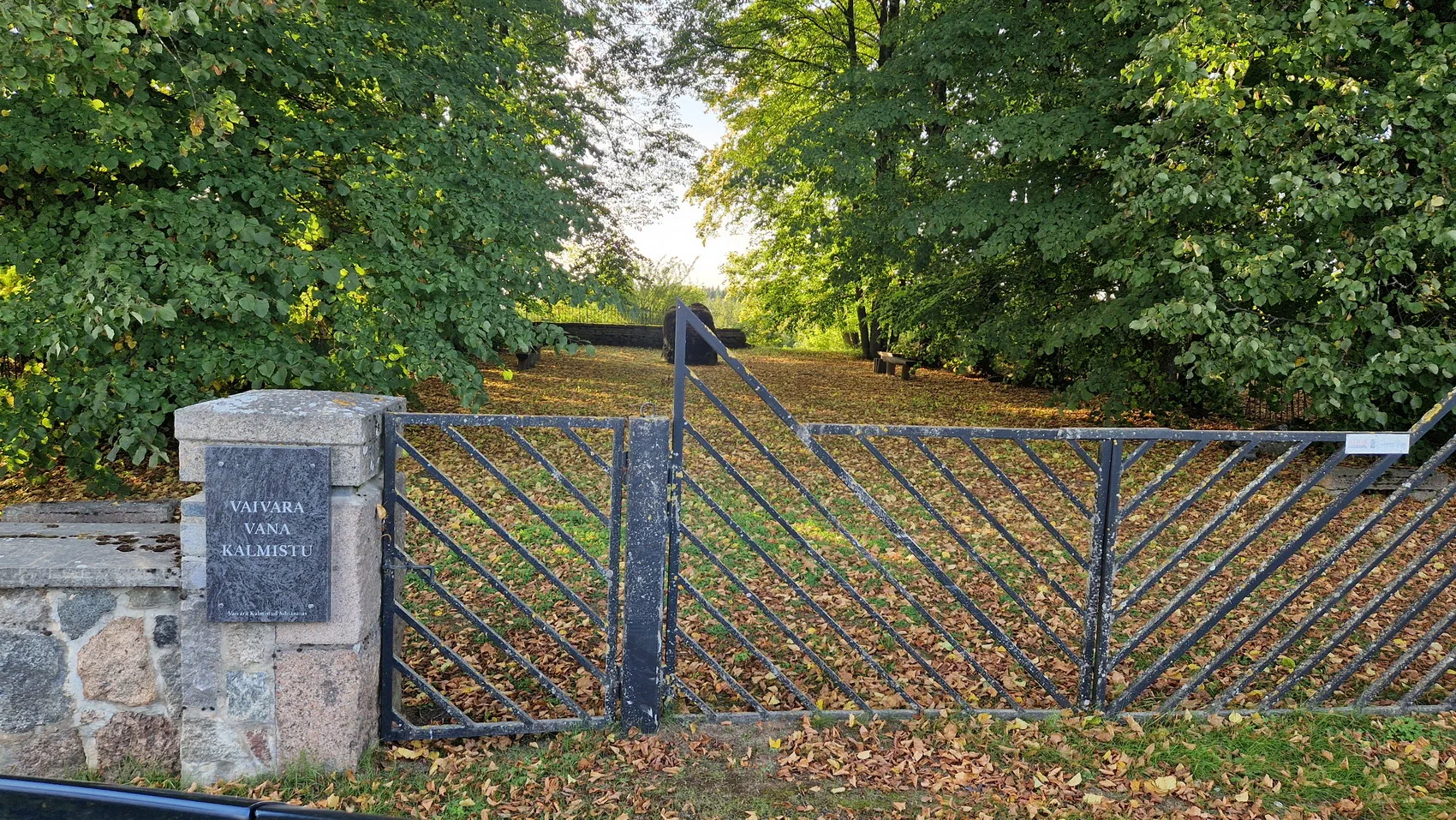
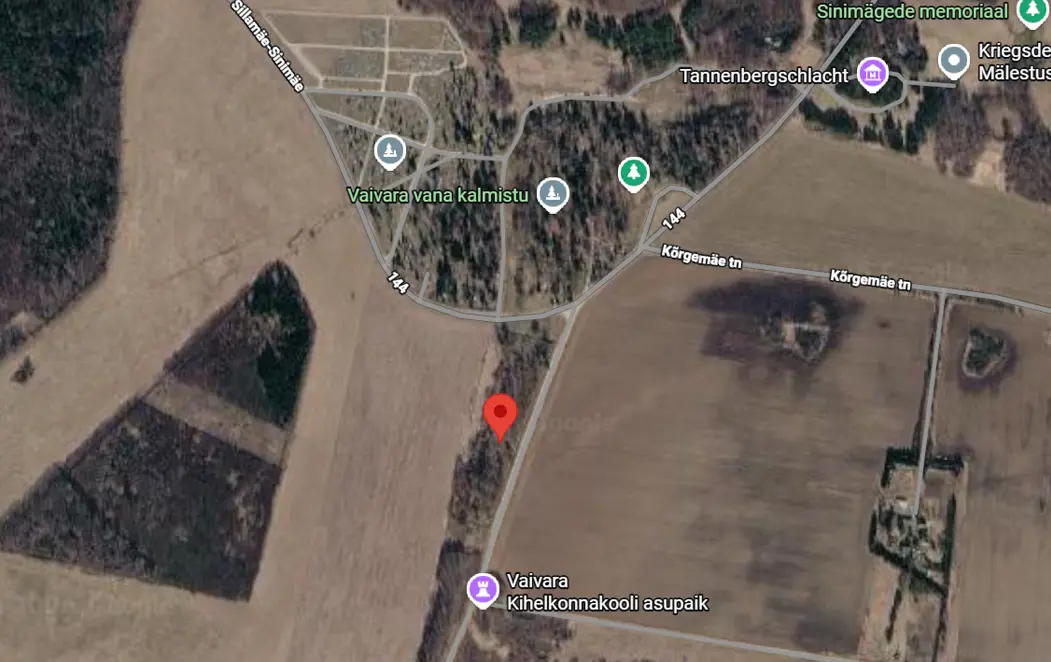
Vaivara Old Cemetery is located on the outskirts of Sinimäe, near Sillamäe, in Narva-Jõesuu municipality, Ida-Viru County. Its history is connected with the local parish, Vaivara families and the events of the Second World War.
Location and access
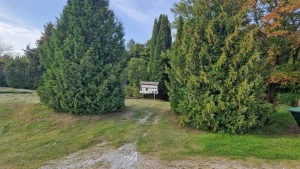
A single access road leads to the cemetery. Use the name Vaivara vana kalmistu when planning your route: Sinimäe also has Vaivara New Cemetery, known as Vaivara uus kalmistu. When searching for a family grave, it is important to establish which of the two cemeteries is meant.
History of the cemetery
Burials began here in 1782, after Empress Catherine II prohibited burials near churches. The cemetery was established beside the road leading from the Tallinn–Narva postal route to Vaivara Church.
In 1944, during the fighting for the Sinimäe Hills, a German defensive line ran through the cemetery. Trenches and bunkers were built here using headstones and grave railings. The fighting destroyed the chapel, the boundary wall and most of the headstones. The cemetery is listed as a historic monument.
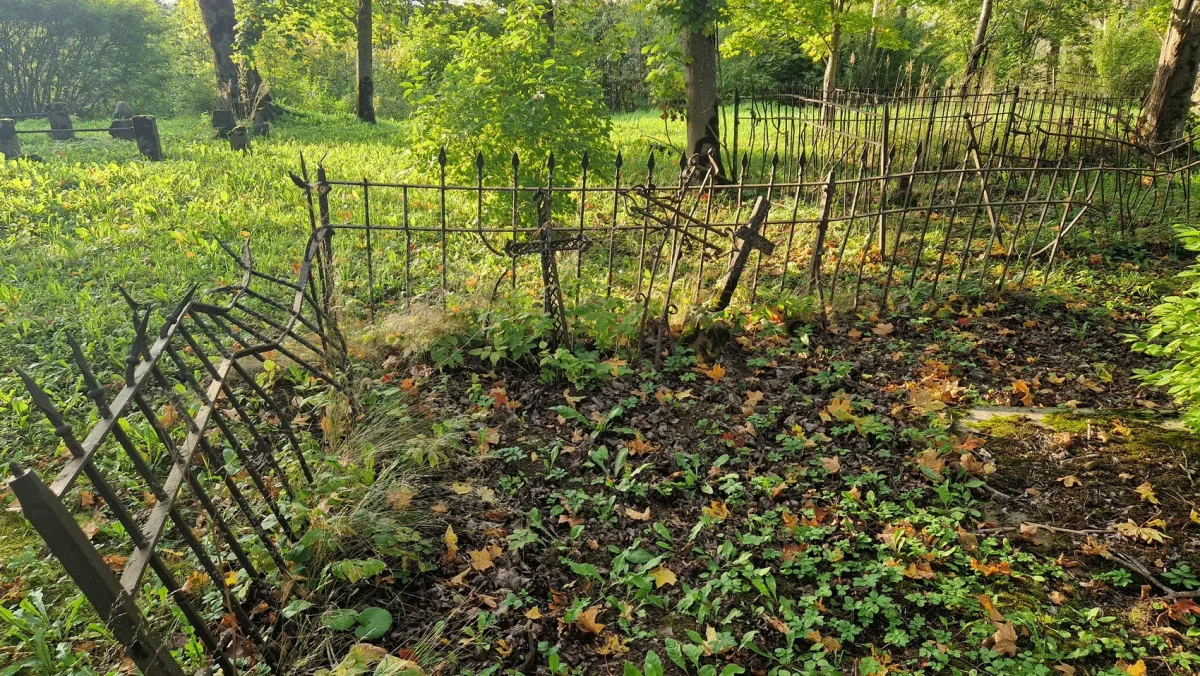
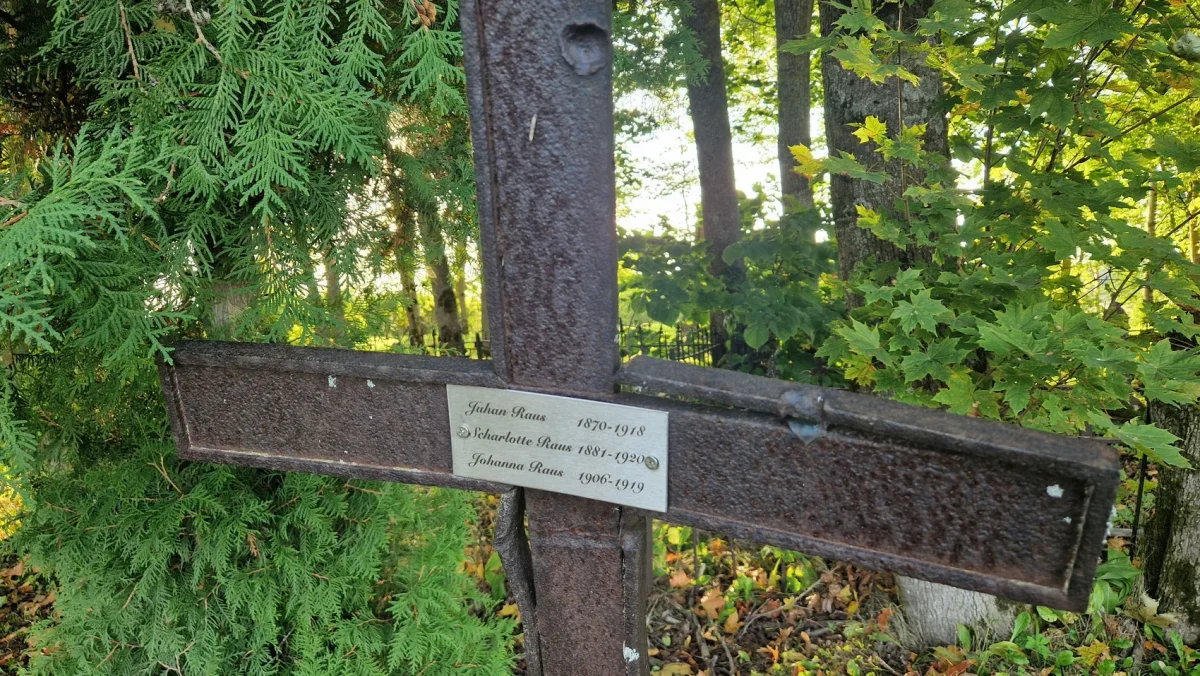
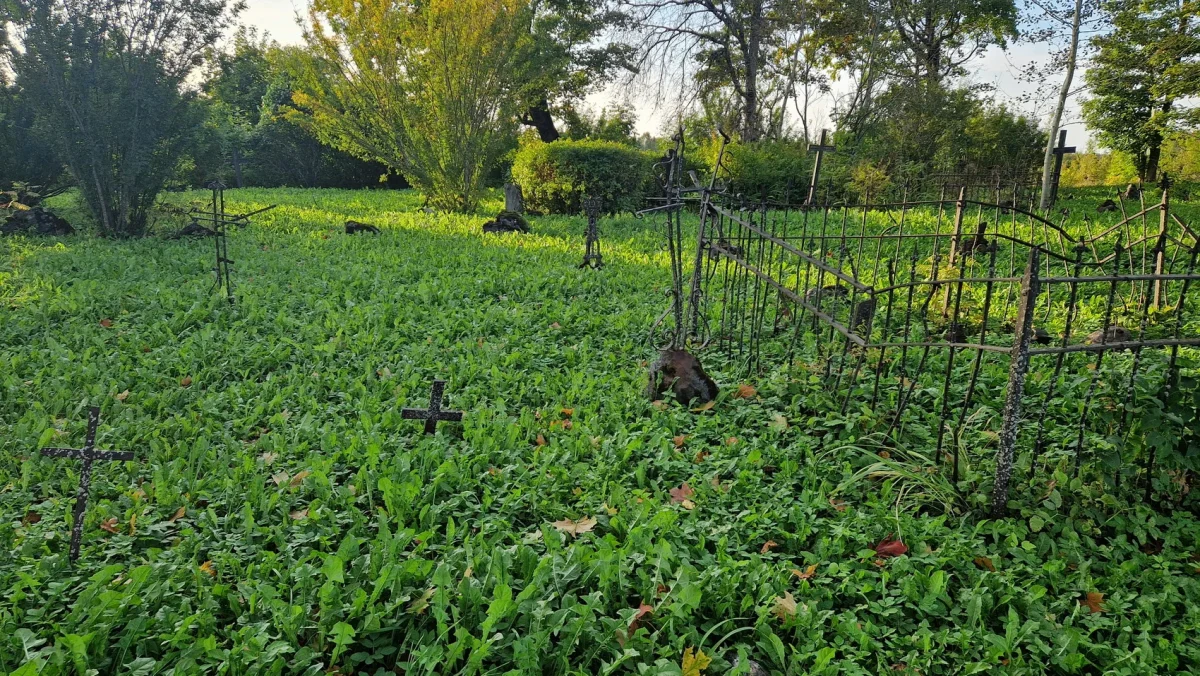
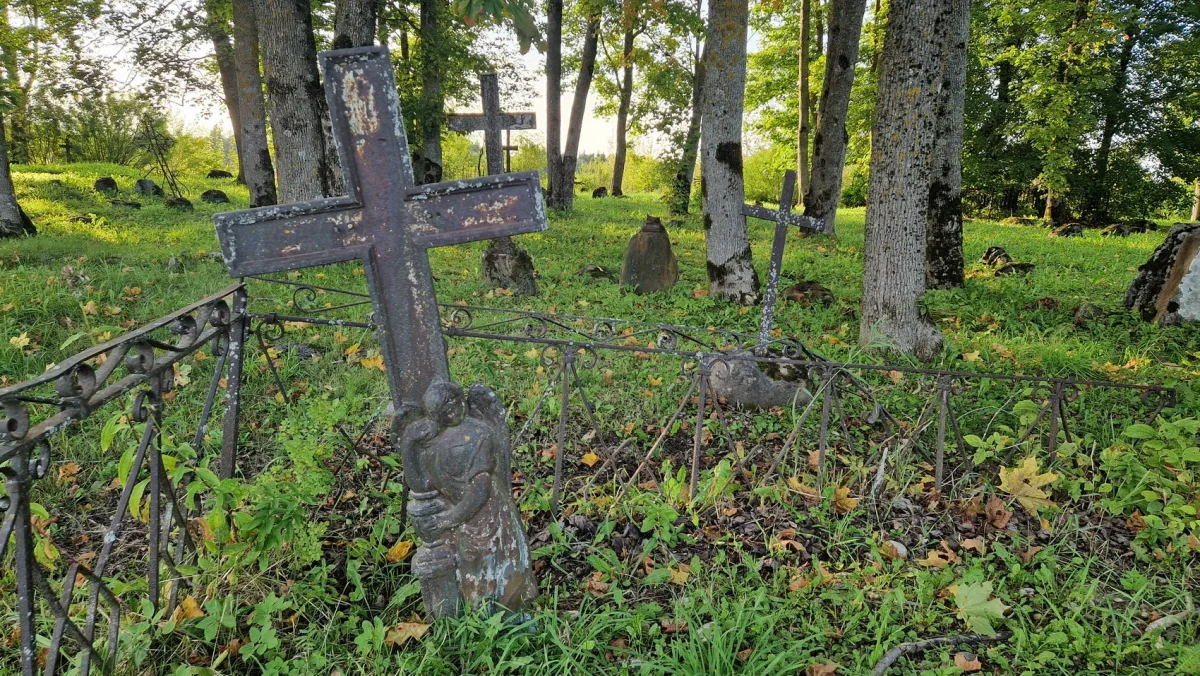
After the war, the cemetery ceased to be used for regular burials and gradually became overgrown. More extensive work to improve the grounds began in 1986. The creation of a memorial wall later became an important part of restoring this historic site.
From 2009 to 2014, Vaivara Old Cemetery was once again managed by Narva’s Alexander Parish. Historically, the parish also owned Sininõmme Cemetery, located next to Riigiküla Cemetery.
After Alexander Parish went bankrupt in 2014 and the cemeteries were put up for sale, they were purchased by the Estonian state and the EELK — the Estonian Evangelical Lutheran Church. The cemeteries were subsequently transferred to Vaivara municipality.
The memorial wall
The memorial wall was created at the initiative of Arvo Puu. The first plaques were installed in summer 1999, and the official unveiling took place on 2 July 2000. The wall bears plaques commemorating those who died in the Second World War and people connected with Vaivara. History of the memorial’s creation.
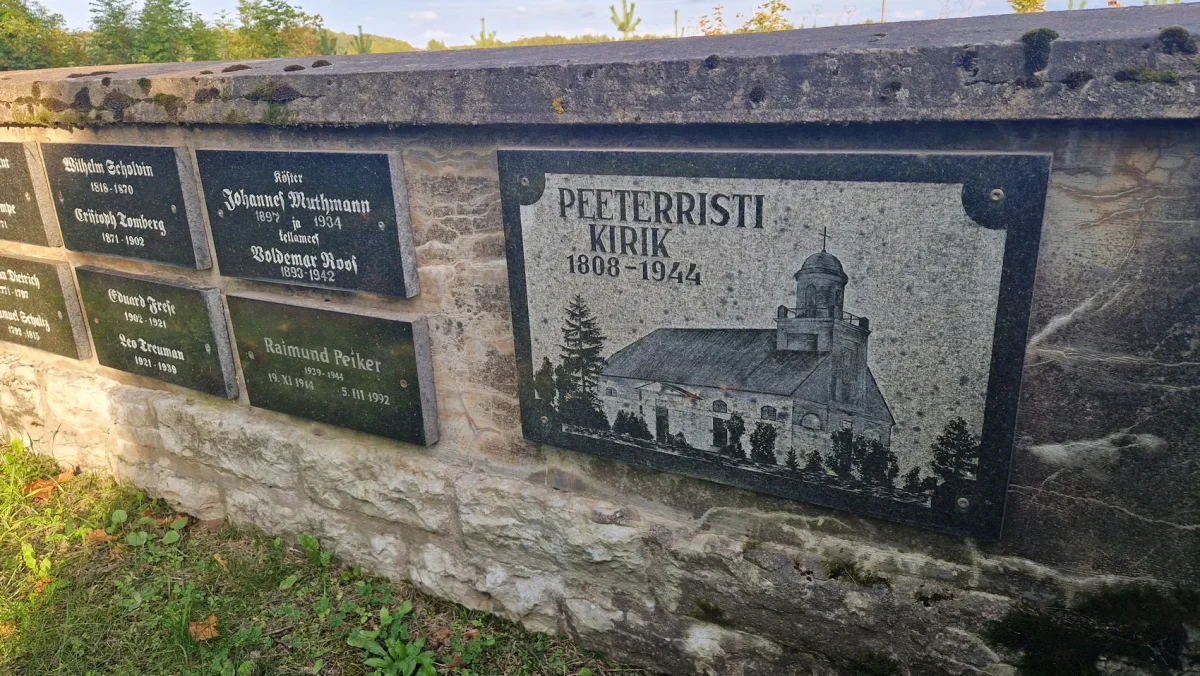
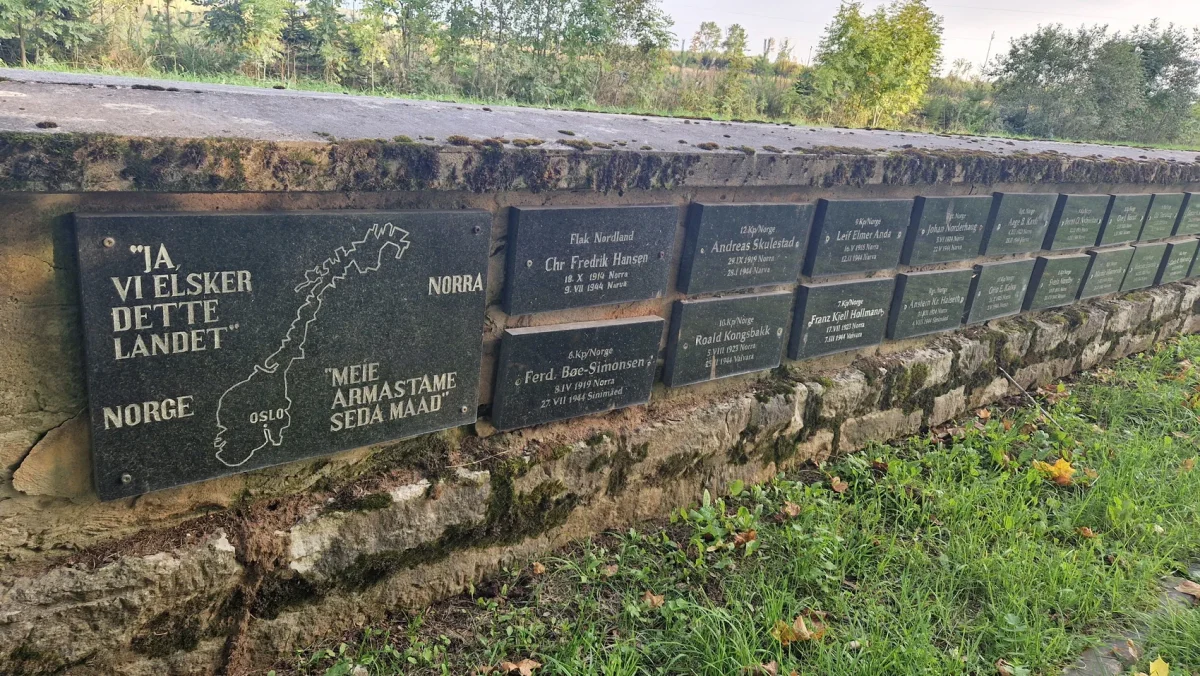
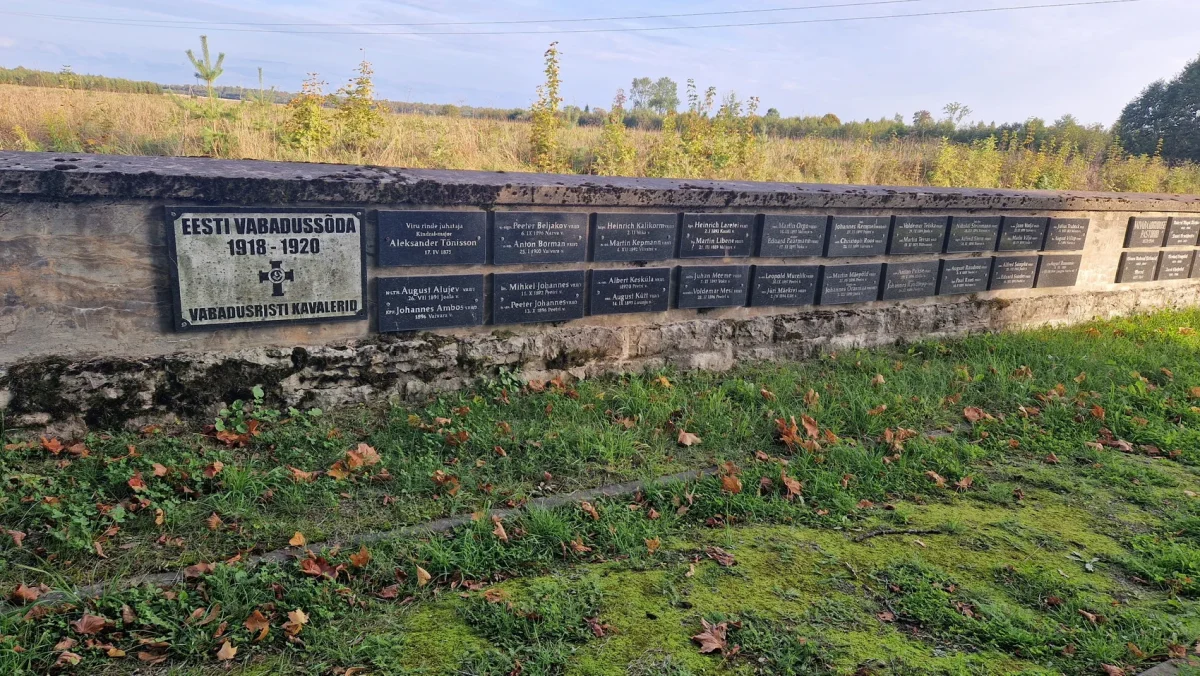
Special recognition is given to Vaivara Lutheran Church, which was destroyed in 1944: the memorial depicts its outline and lists the names of its pastors. Local public and cultural figures are also commemorated here.
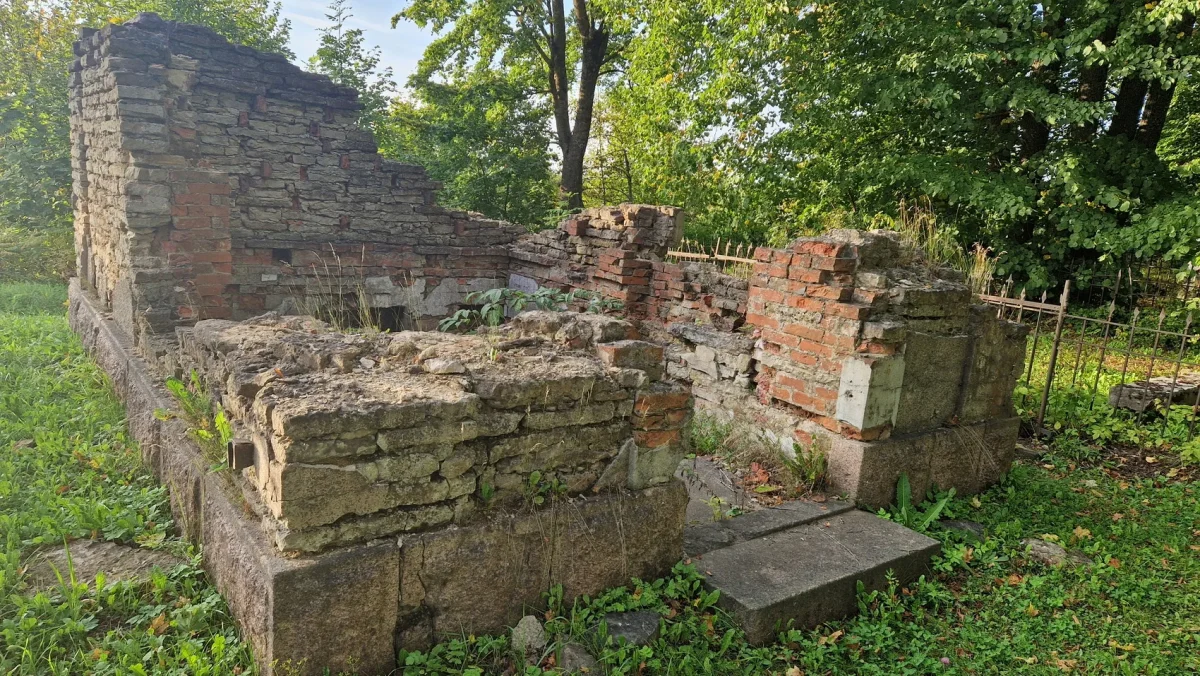
When reading the inscriptions, it is important to distinguish a commemorative plaque from a grave marker. A name on the memorial wall does not in itself confirm that the person is buried in this cemetery.
Konstantin von Korff and his connection with Vaivara
Baron Konstantin Nikolayevich von Korff (1832–1895), owner of Vaivara Manor, Grand Master of the Imperial Court and Actual Privy Councillor, is associated with the history of the area. His biographical entry gives his burial place as Volkovskoye Orthodox Cemetery in Saint Petersburg, while a memorial marker stands in Vaivara.
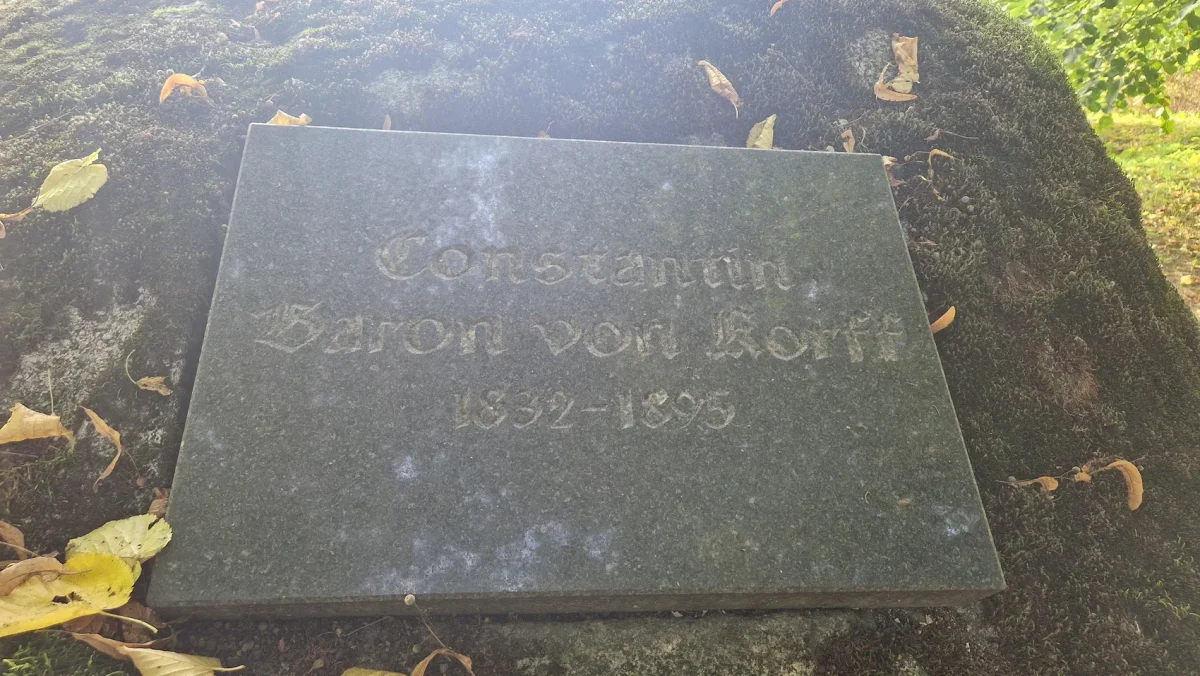
The plaque reads:
Constantin
Baron von Korff
1832–1895
In English: Constantin, Baron von Korff (1832–1895).
Other interesting headstones
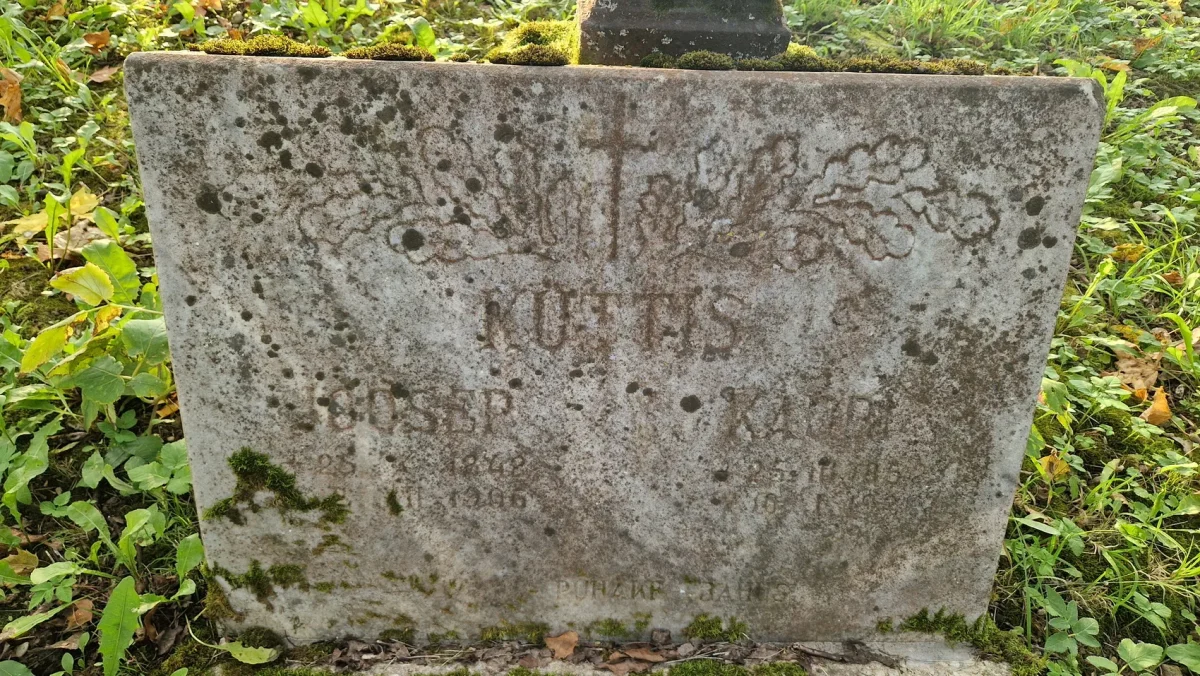
The following can be read on the headstone:
KÜTTIS — Küttis
JOOSEP — Joosep
KADRI — Kadri
PUHAKE RAHUS — “Rest in peace.”
Judging by the visible digits, Joosep’s date of birth is 29.X.1842, and his year of death is 1906. The remaining digits and Kadri’s dates cannot be read with confidence.
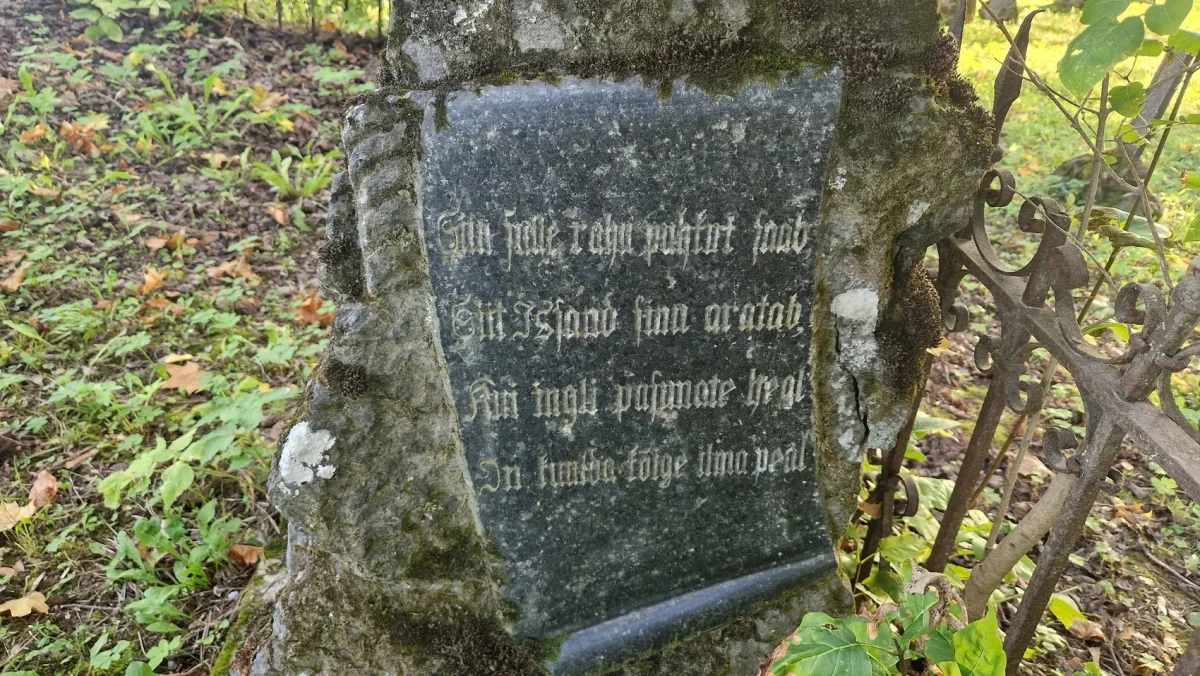
This is an Estonian epitaph. The inscription reads as follows, retaining the old spelling:
Siin sulle rahu puhkust saab,
Siit Issand sind äratab,
Kui ingli pasunate heal
[On?] kuulda kõige ilma peal.
Its meaning is:
Here you will find peace.
From here the Lord will awaken you,
When the sound of angels’ trumpets
Rings out across the world.
The first word of the final line is uncertain. The old spelling heal corresponds to the modern hääl, meaning “voice” or “sound”.
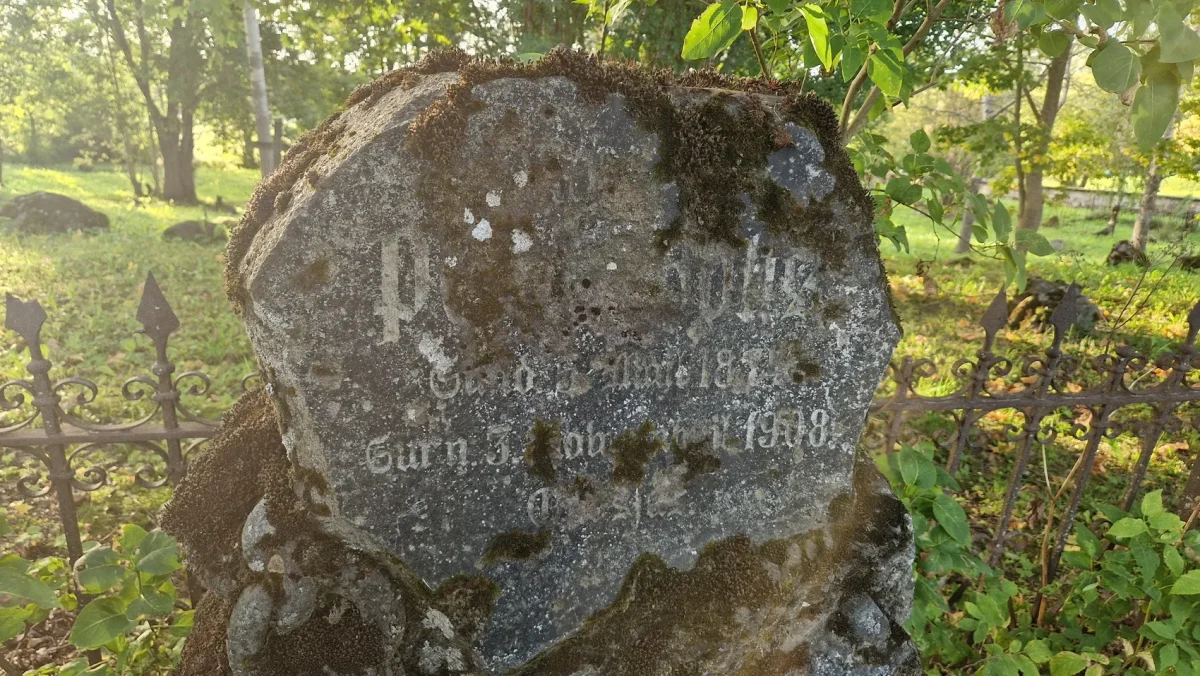
The inscription is in Estonian, but most of it is covered by moss. The following can be read:
[First name and surname illegible]
Sünd. … Mai 18…
Surn. 3. … 1908
In English:
Born … May 18…
Died 3 … 1908.
The year of death, 1908, is clearly legible. The name, year of birth and month of death cannot be reliably reconstructed.
How to search for a family grave
This cemetery is not connected to the Haudi system, so burial enquiries should be directed to the local authority.
Before contacting the authority, gather the deceased’s first name and surname, approximate dates of birth and death, old photographs, documents and any information about the grave’s location. Wartime destruction may have left the grave without a surviving headstone, so the absence of a legible inscription does not rule out the existence of a burial.
If you need help finding a family grave in Ida-Viru County, contact Angelio. We will review the available information and discuss whether an on-site search is possible. Any grave we locate will be documented with photographs.