Narva’s St. Peter’s Cemetery — a Historic Place of Remembrance
This cemetery section is designated as Narva Siivertsi kalmistu I, but its historical name is Narva Peetri kalmistu, also known as Peetri surnuaed. It is the old cemetery of the Lutheran St. Peter’s parish in the Siivertsi district.
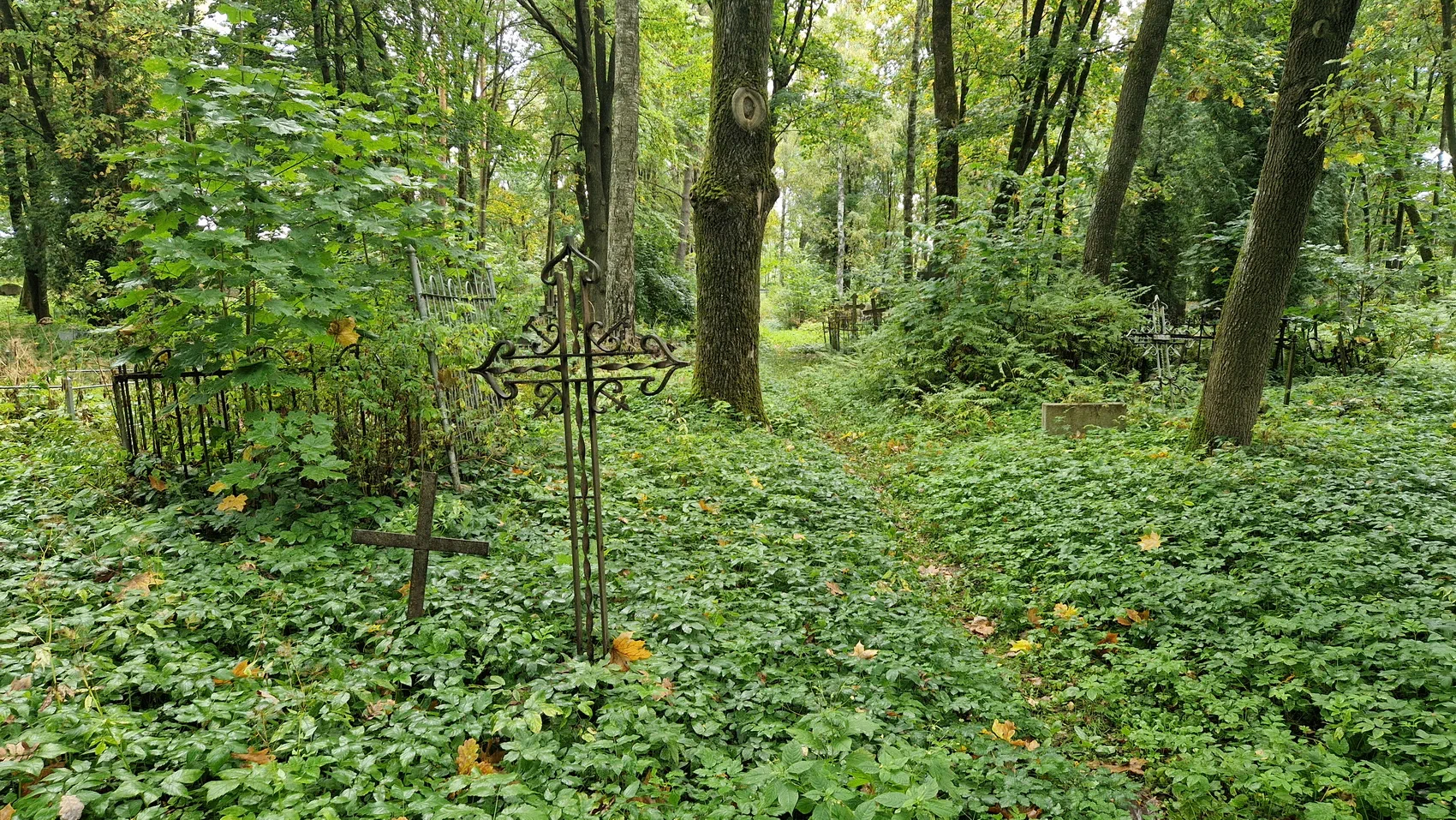
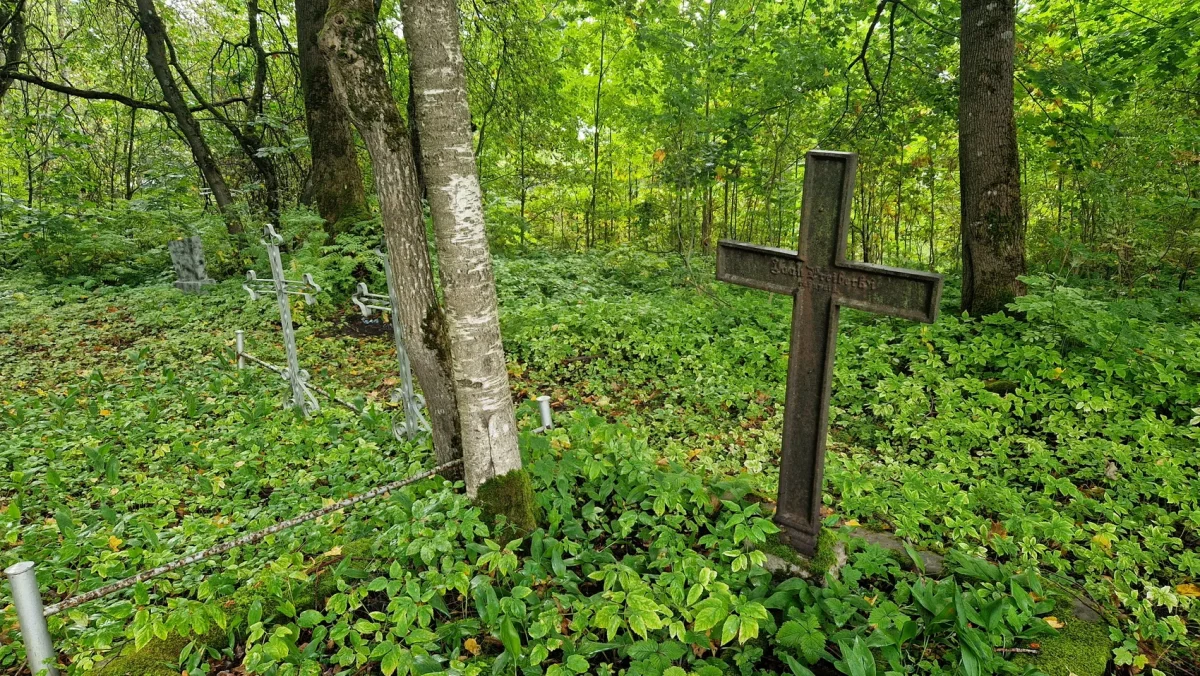
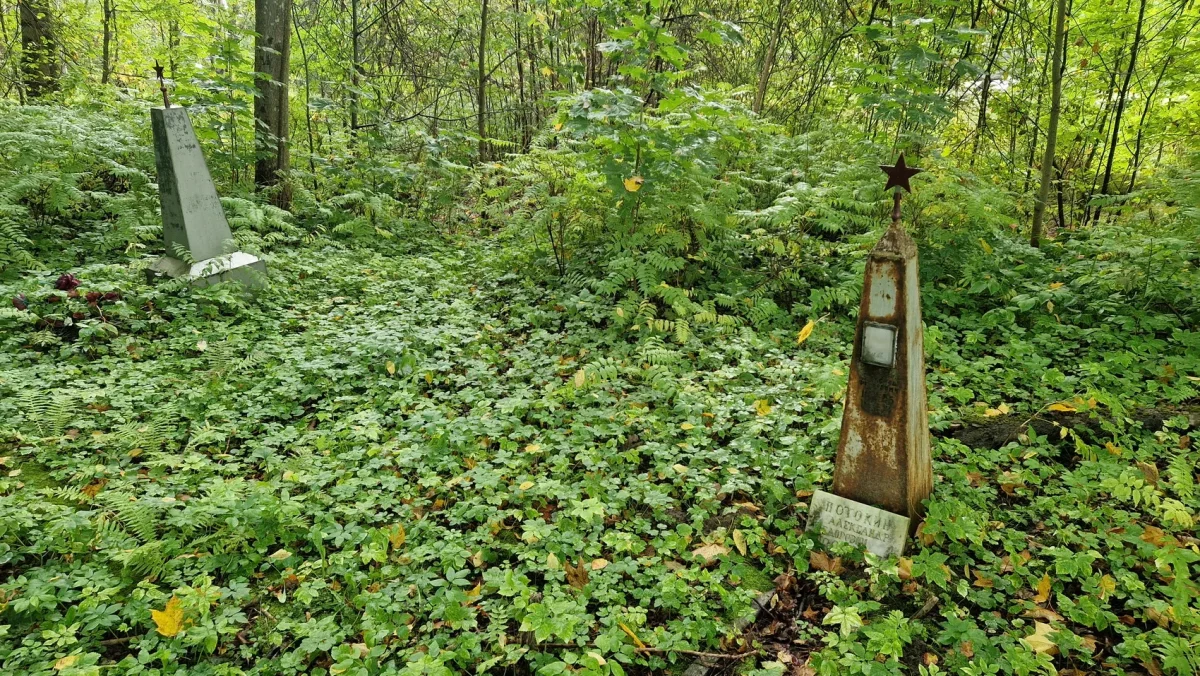
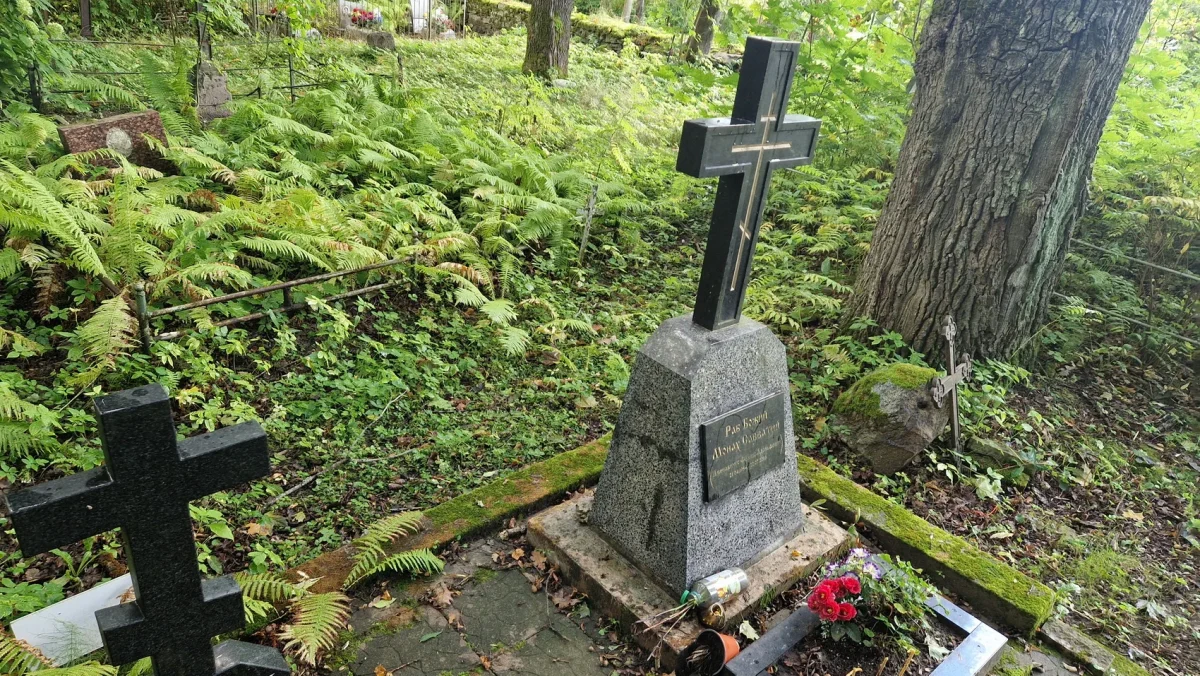
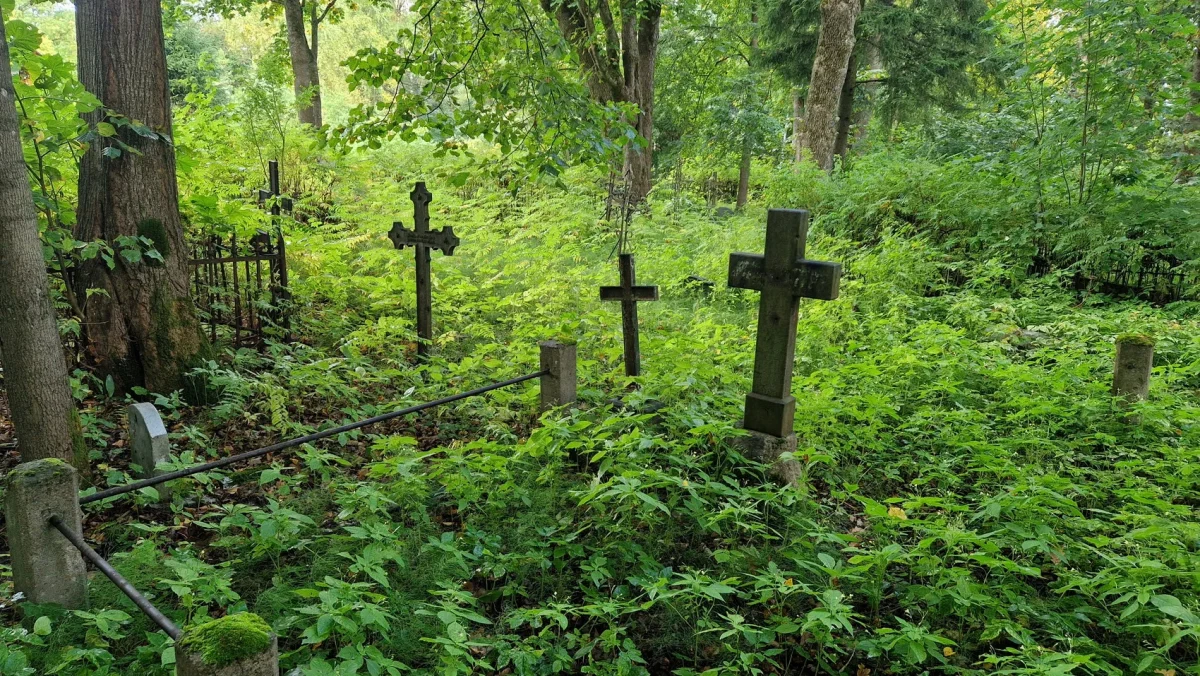
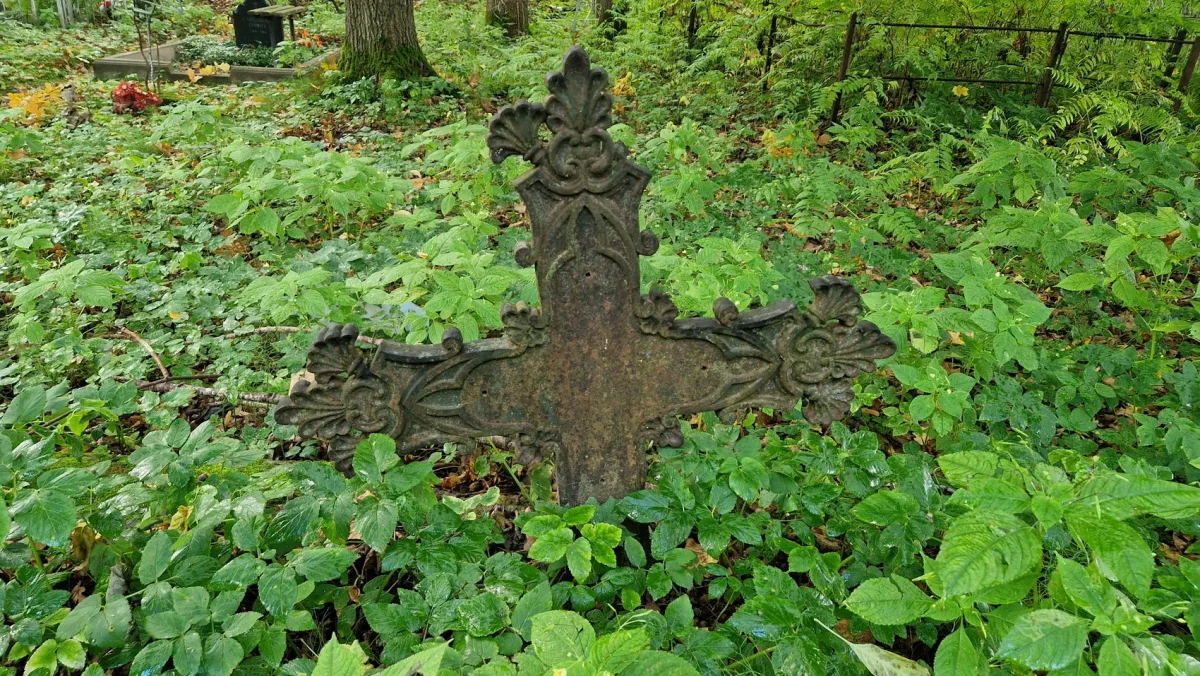
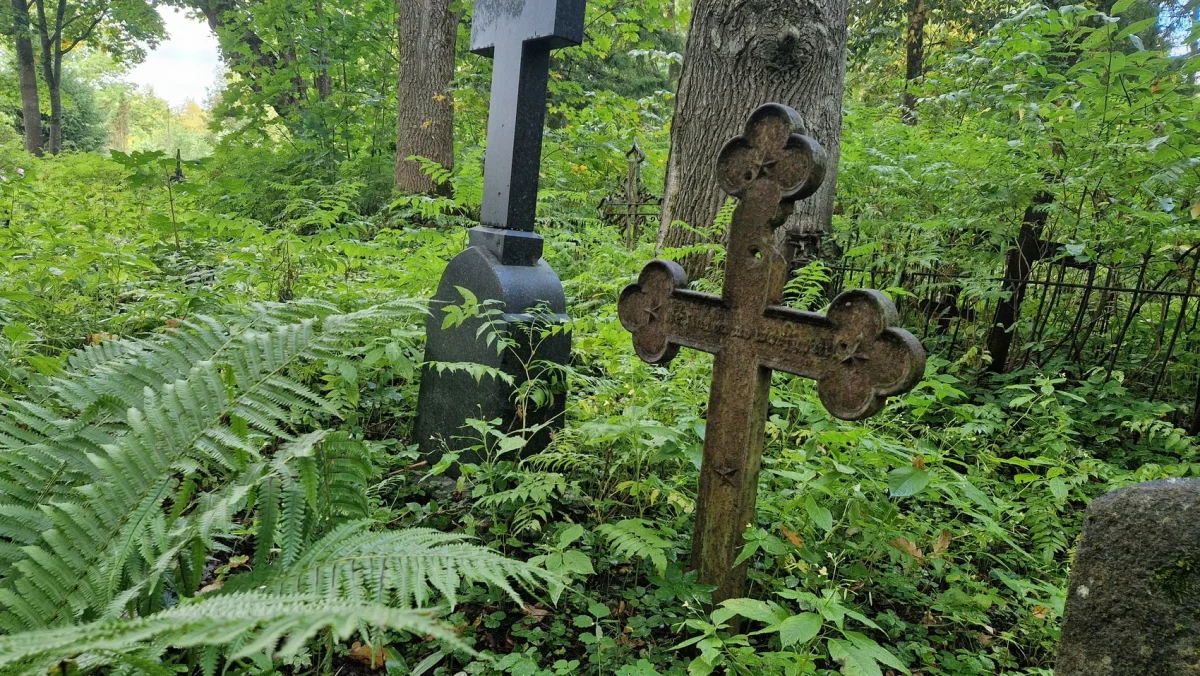
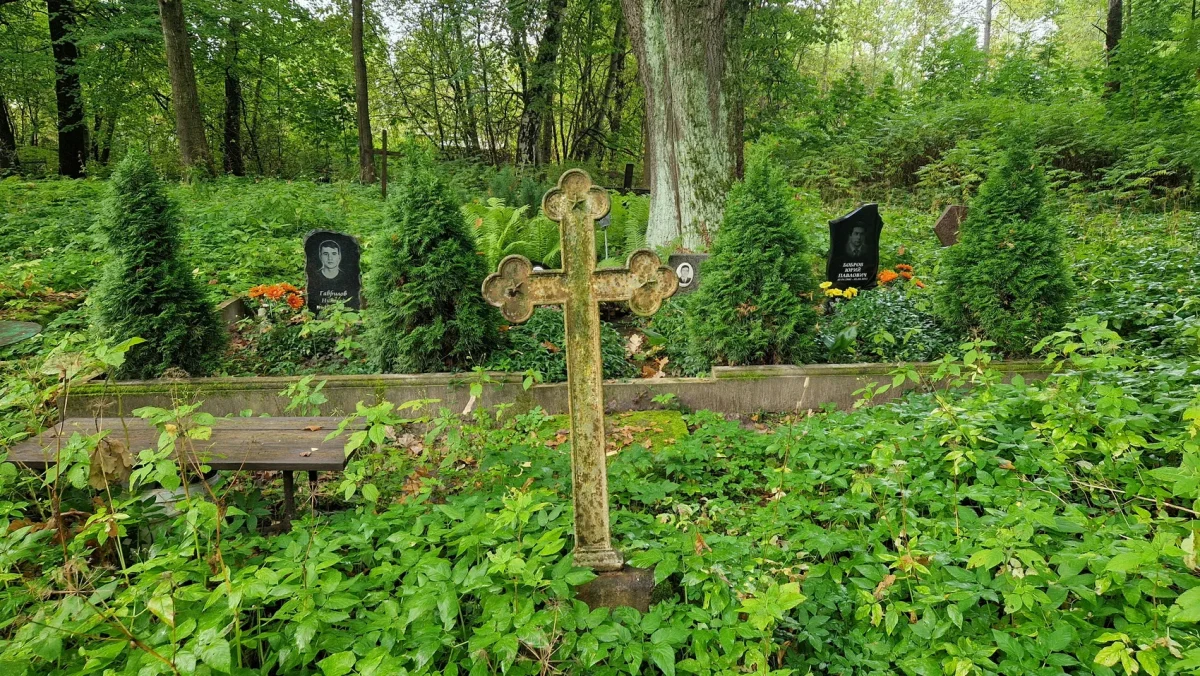
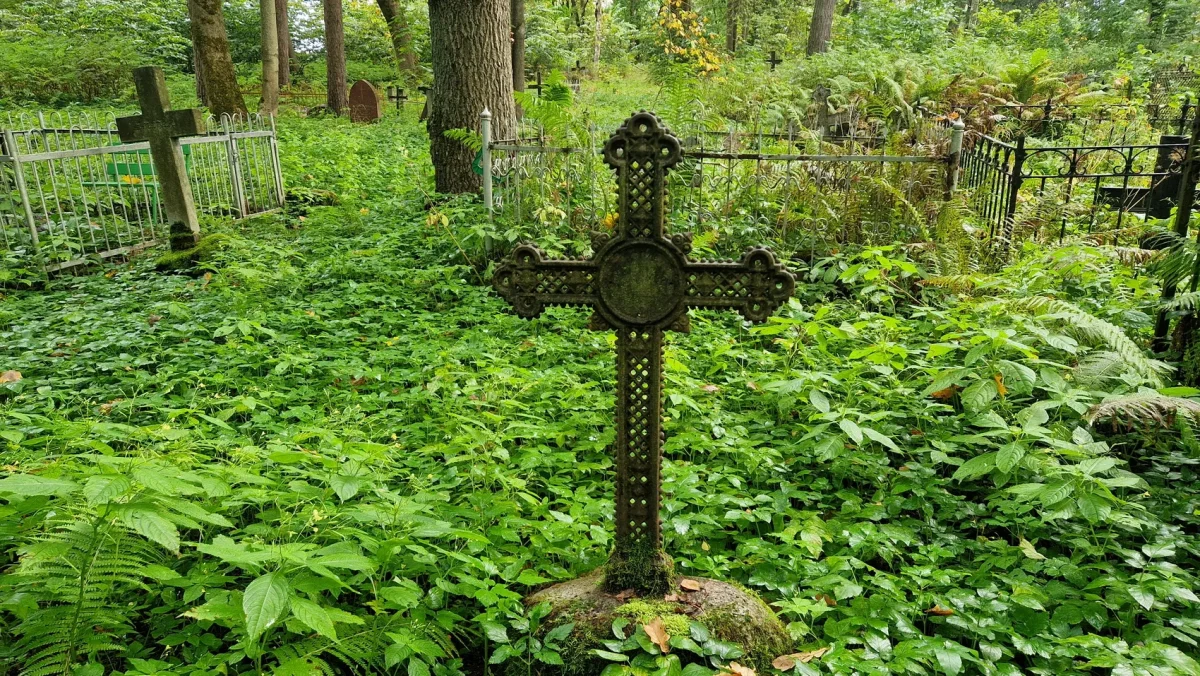
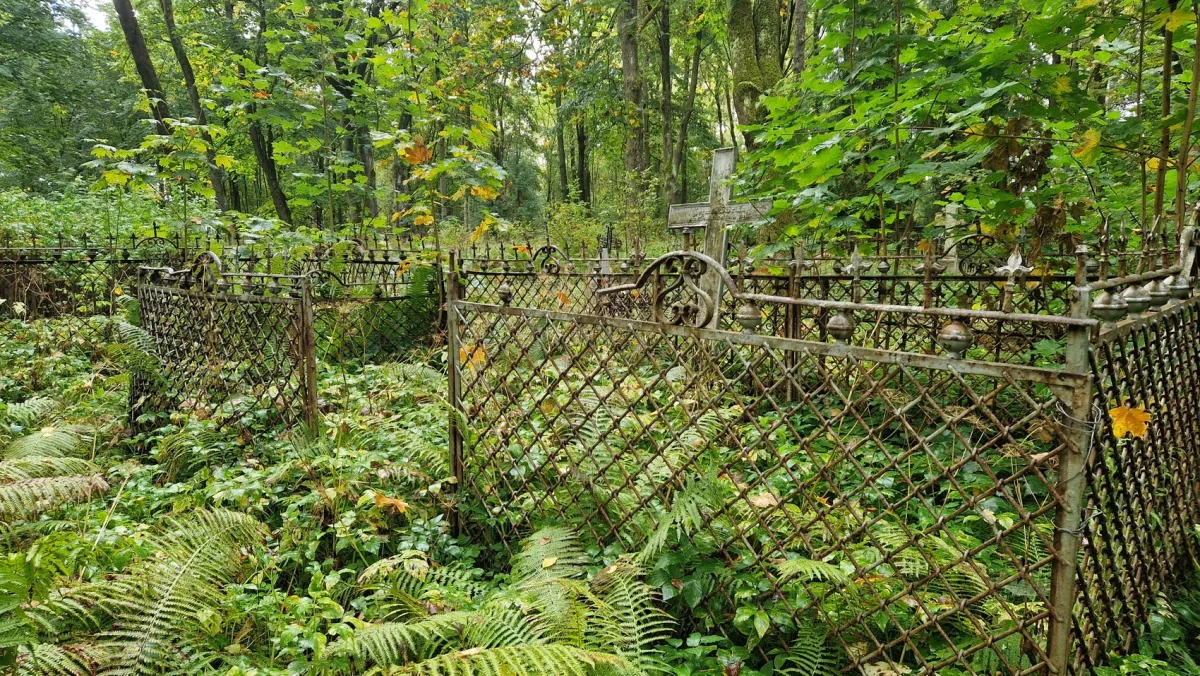
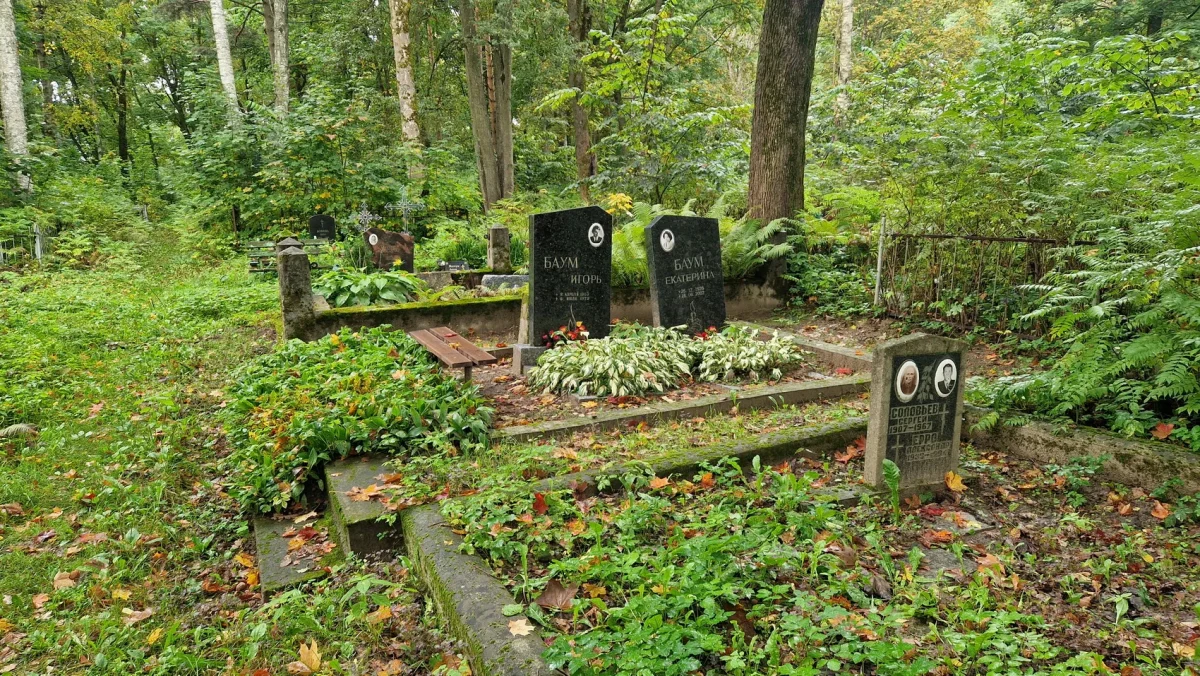
The graves of people connected with Narva’s religious, civic and educational life have survived here. Overgrown paths and old gravestones recall a town, much of which was lost during the 20th century.
Where is the Cemetery Located?
The cemetery is located in northern Narva, in the Siivertsi district, near the Narva River. The section described here is separate from the main extensive grounds of the old cemeteries, but is historically connected with the district’s wider cemetery complex.
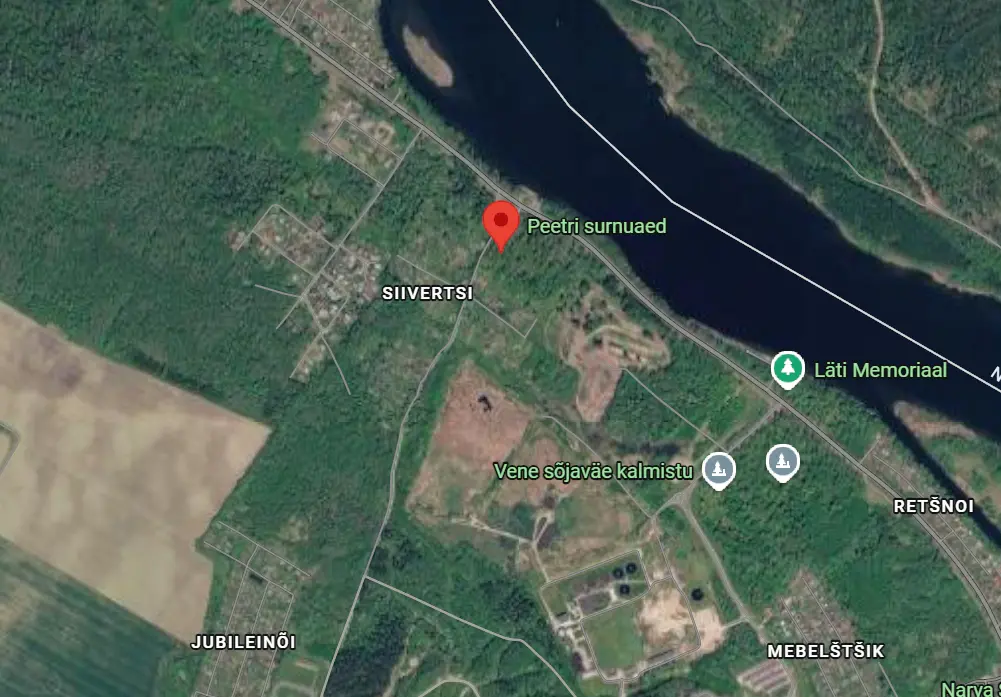
When searching for the location, it is useful to consider both names: Peetri kalmistu and Siivertsi. The latter refers to a larger historic area, so information about neighbouring cemeteries does not always apply specifically to St. Peter’s section.
Access, Entrance and Parking
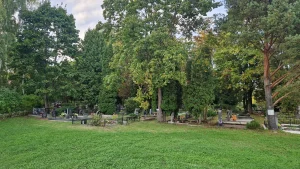
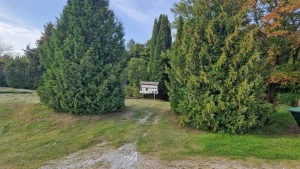
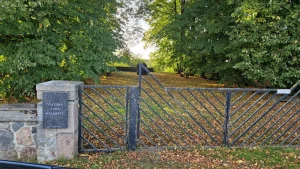
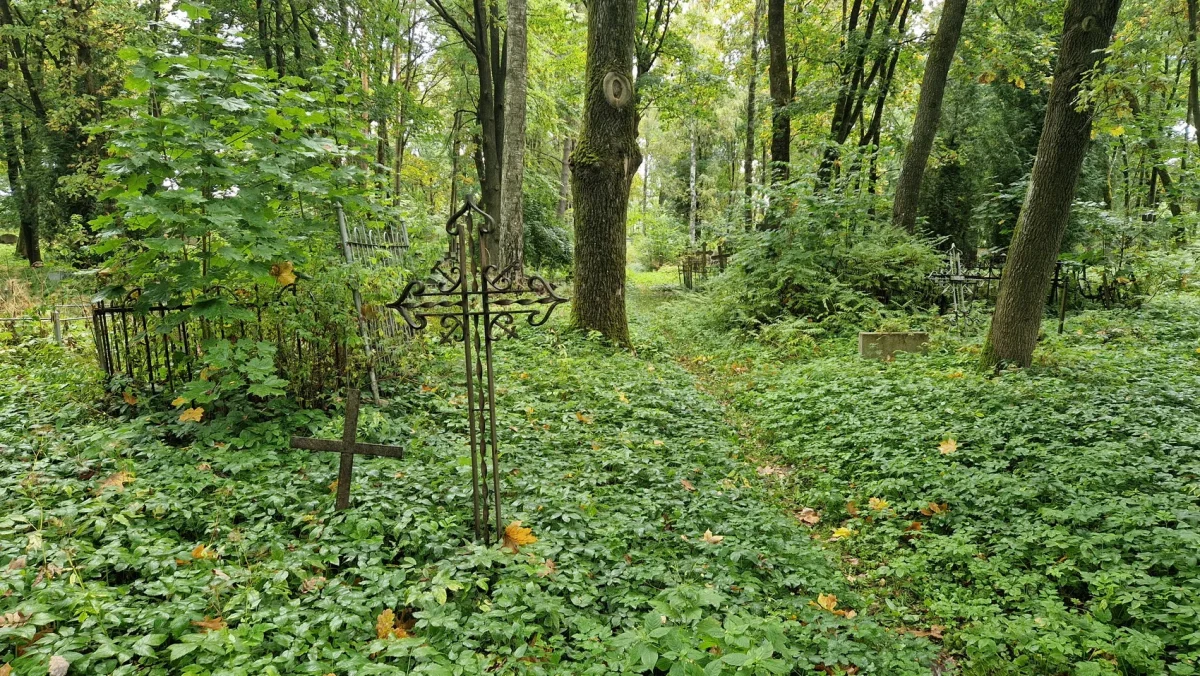
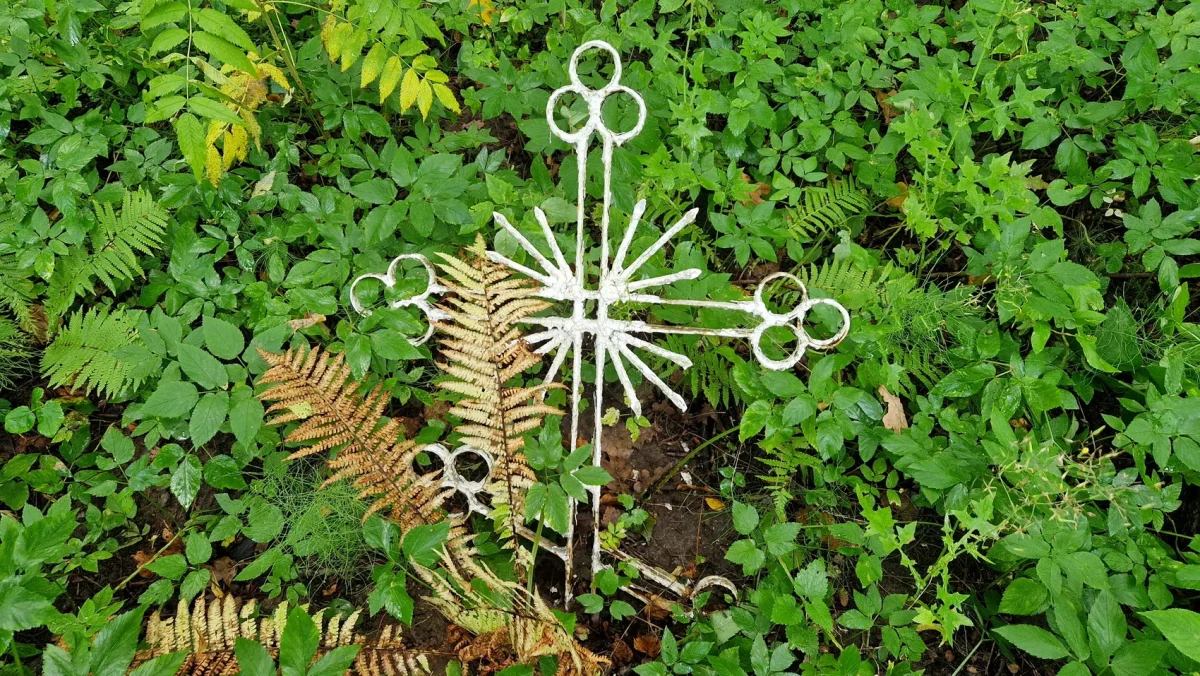
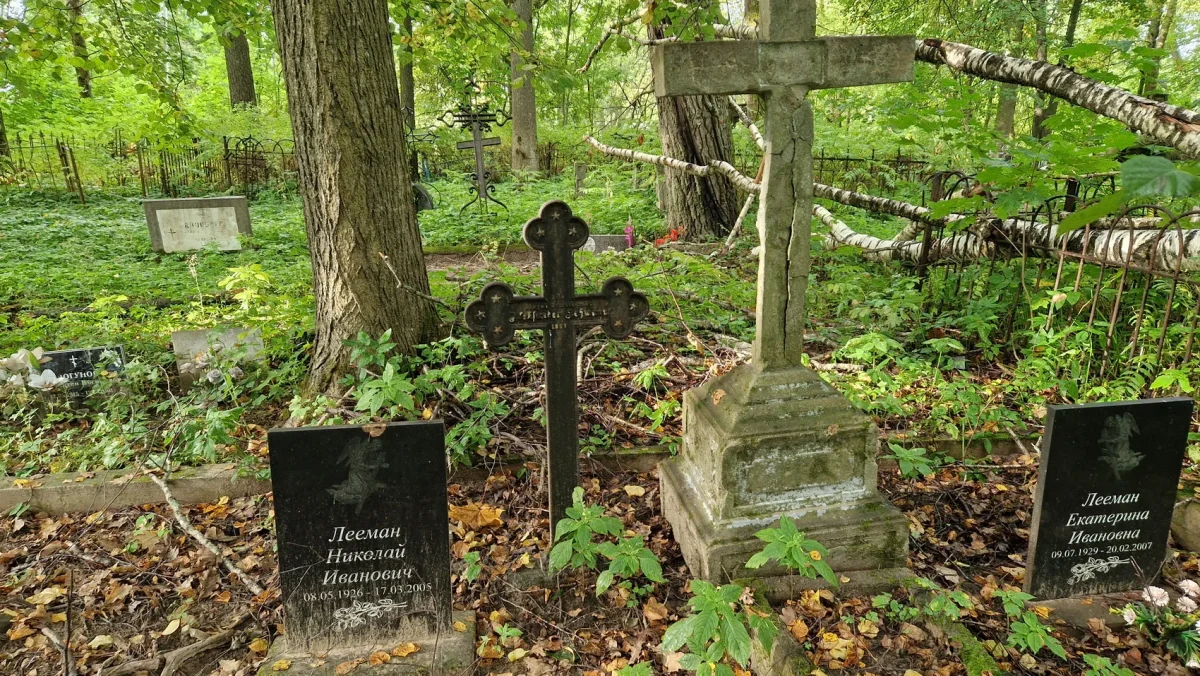
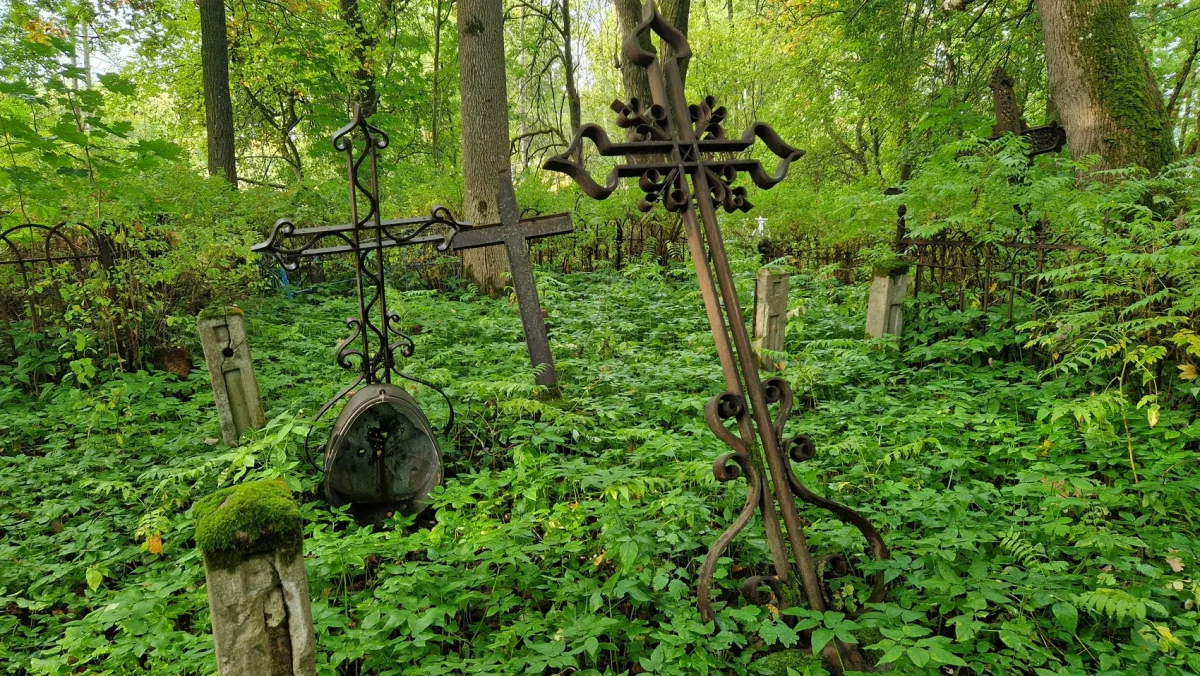
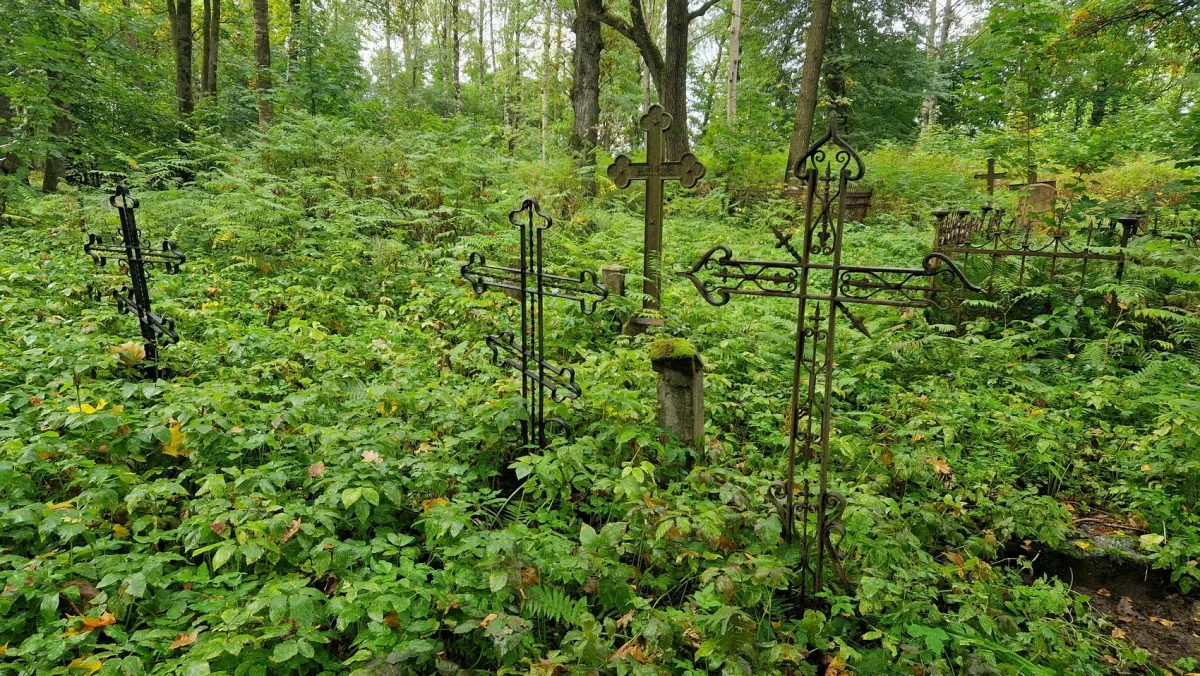
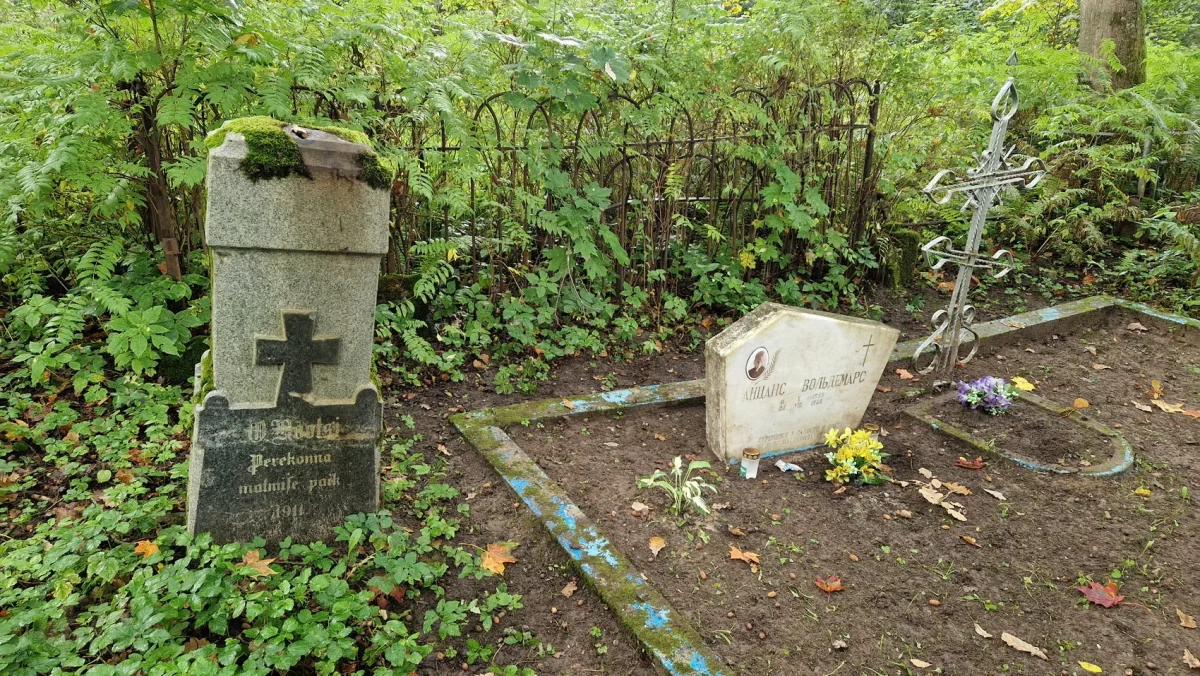
During the visit, one discernible path into the grounds was observed, but there was no formal entrance or clearly visible sign. Visitors can park nearby and walk the remaining distance. Finding your way around the site is difficult, as vegetation conceals the paths and some gravestones.
The History of St. Peter’s Cemetery
The cemetery belonged to Narva Peetri kogudus, the Estonian Lutheran St. Peter’s parish. A publication by Narva Central Library in 2021 marked its 155th anniversary, indicating that the cemetery was founded around 1866.
The parish’s independent history began in the same year: on 22 October 1866, permission was granted to keep separate church registers for the Estonians of Narva. The congregation regarded this date as its anniversary.
St. Peter’s Cemetery became part of the historic Siivertsi complex, which brought together the cemeteries of different parishes and communities. Its significance therefore extends beyond the history of a single church: evidence of old Narva’s multilingual and multiconfessional life has survived here.
The Connection with St. Peter’s Church
Pastor Ferdinand Gottlieb Tannenberg, who worked to secure the construction of a church for the congregation, played an important role in parish life. St. Peter’s Church was consecrated in 1886.
The church was severely damaged in 1944. According to the parish history published by EELK, the building was demolished in 1953, and its stone was used in the construction of Narva railway station.
The site of the former church at Valge tänav 2 is marked by a memorial stone and a cross. This is a separate site in the town, not the address of St. Peter’s Cemetery.
Notable Burials
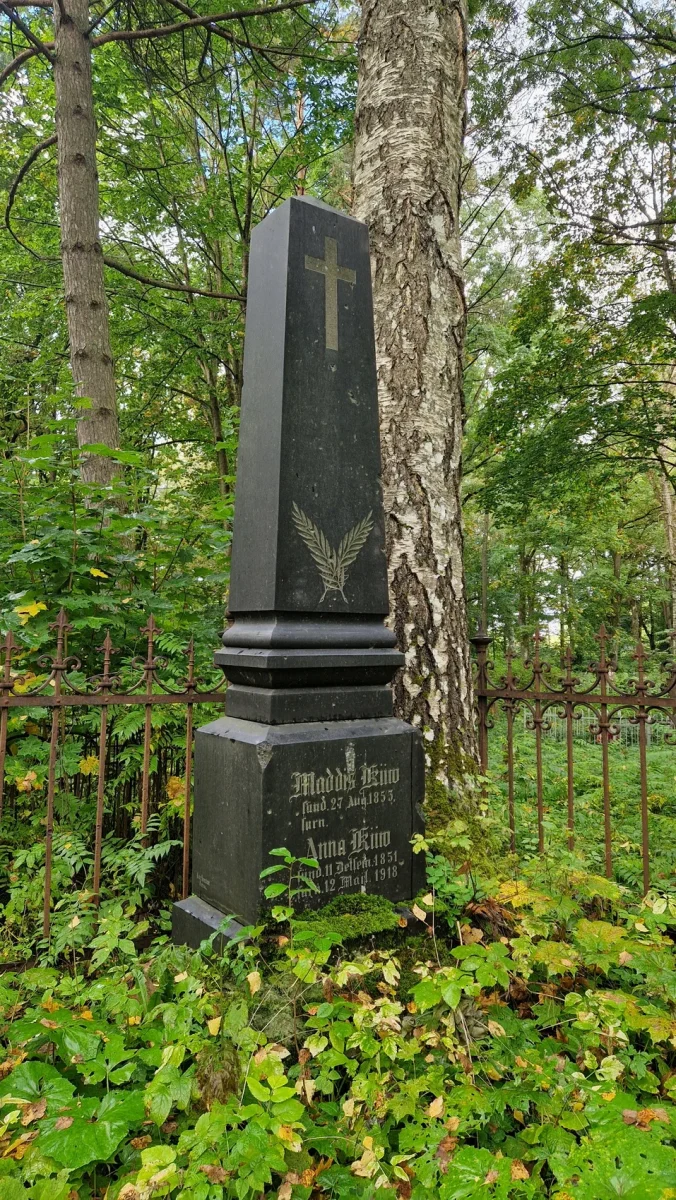
As part of its “Mälestiste radadel” project — “Along the Monument Trails” — Narva Central Library reported on the graves of several notable residents in the cemetery of the former St. Peter’s parish.
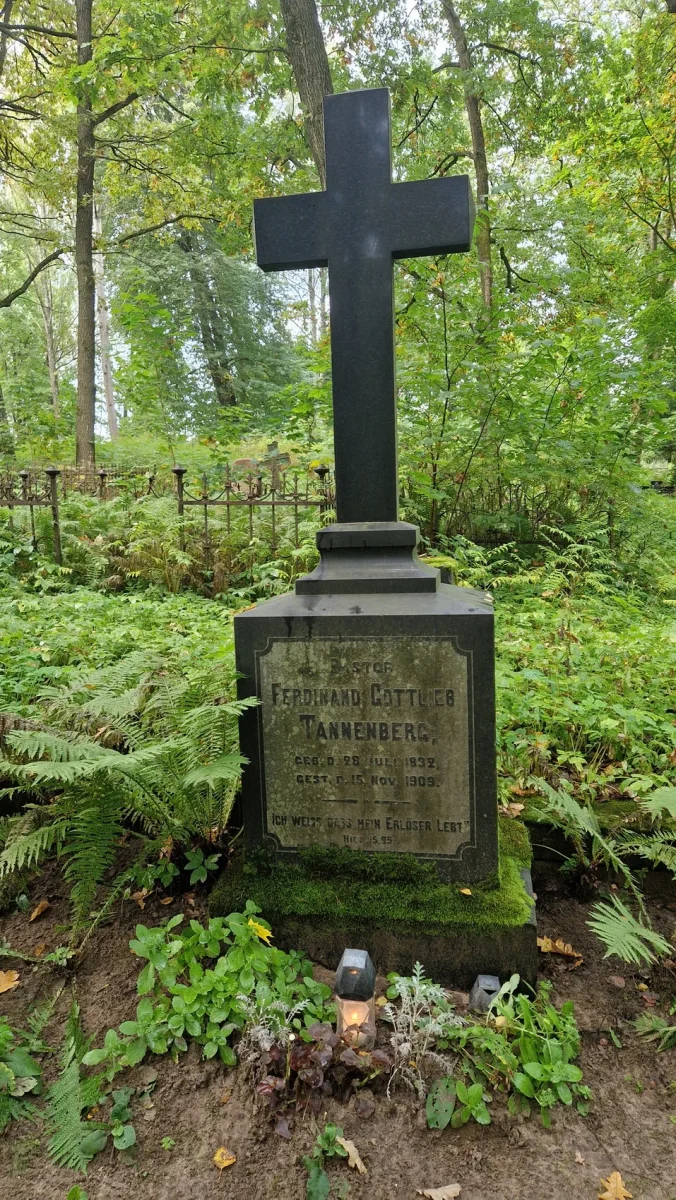
Ferdinand Gottlieb Tannenberg
A Lutheran pastor who played an important role in the development of Narva’s Estonian community and the construction of St. Peter’s Church. The library specifically notes that his grave has survived.
Jaan Lust
A mayor of Narva. The library project’s materials mention his burial together with his family.
Johan Hansing
A notary, politician and actor who served as mayor of Narva in 1940. His grave is also listed among those identified by the project’s participants.
Georg Kiviste
A pastor and teacher who served St. Peter’s parish. He is also known as a hymn writer. His work connects the cemetery’s history with Narva’s spiritual and educational life.
Condition of the Grounds and Visiting Advice
Based on observations during the visit, the cemetery appears no longer to be used for new burials. There are no buildings in the section inspected, but a waste bin is available.
It is best to visit during daylight hours and wear comfortable, closed-toe shoes. Watch your step, walk around burial plots and avoid leaning on old crosses or tilted monuments.
Narva Central Library was already writing about the cemetery’s preservation problems in 2021. The research project combined the collection of historical materials with work to improve the grounds, drawing attention to forgotten graves.
Finding an Old Grave and Preserving Memories
Finding a grave at St. Peter’s Cemetery may require old photographs, family documents and alternative spellings of the surname. The library’s materials help identify names, but do not replace an accurate map of grave locations.
If you need help finding or caring for a family burial plot in Narva, contact Angelio. Share the information you have about the grave: the possibility of a site visit and the scope of work must be agreed in advance.