Siivertsi Cemetery II in Narva — the Latvian Memorial and the History of the Site
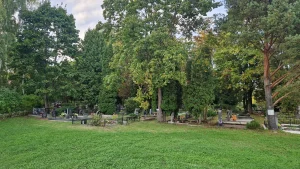
Narva Siivertsi Cemetery II is a small section among Narva’s historic cemeteries, known primarily for its monument to Latvian refugees of the First World War. Tourist descriptions also refer to it as the Latvian cemetery. Materials published by the Narva Heritage Society identify the memorial’s location as part of the historic St. John’s Cemetery — Jaani kalmistu.
Location
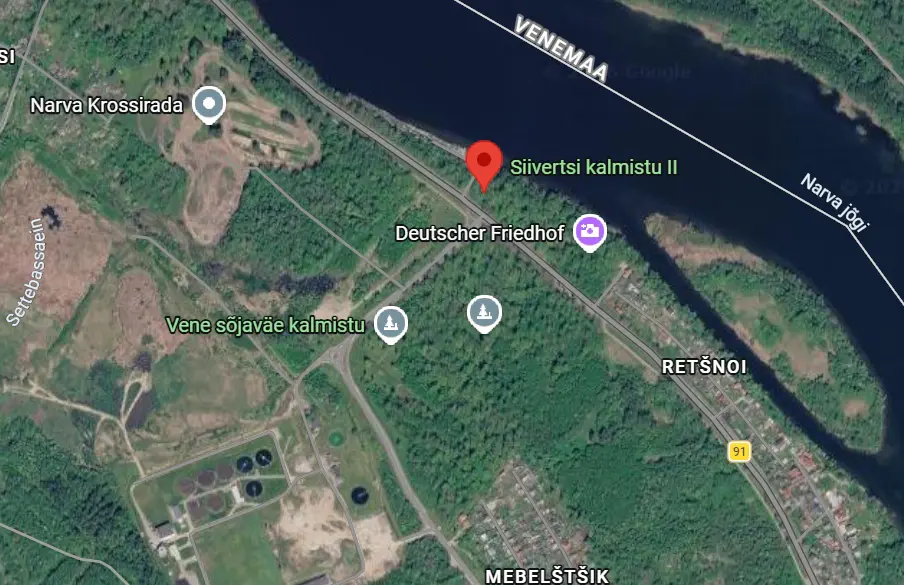
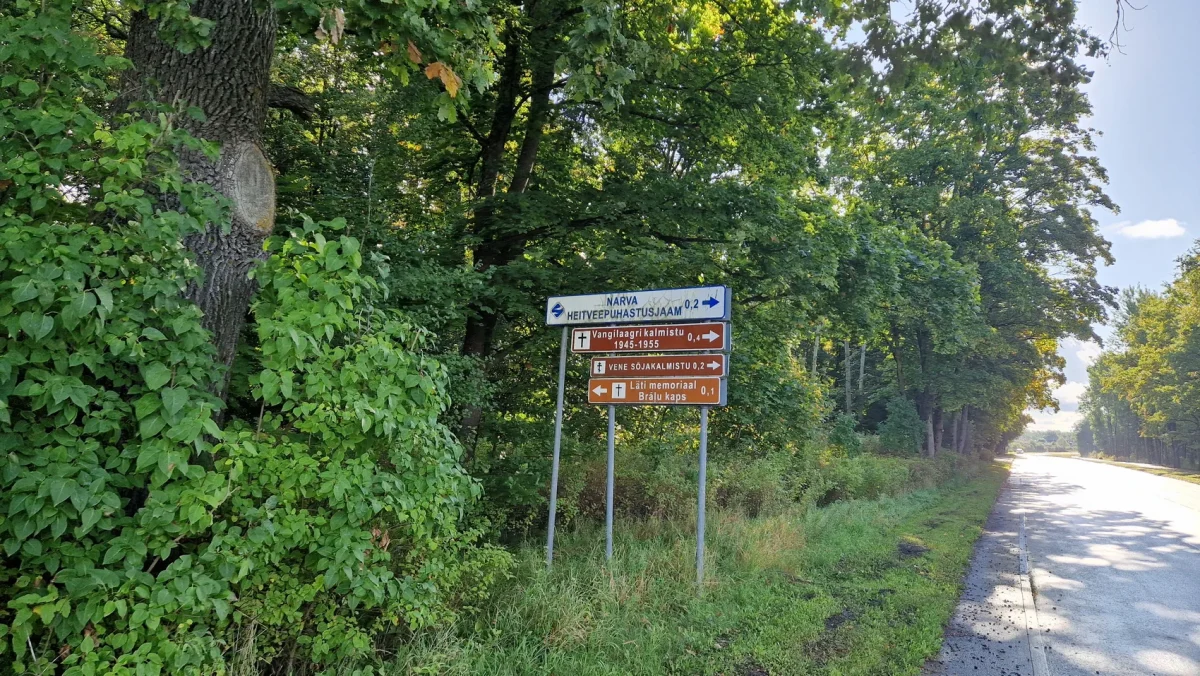
The cemetery is located in the historic Siivertsi area on the northern outskirts of Narva, near the road towards Narva-Jõesuu. The main landmark for visitors is the Latvian Memorial, which can be found on maps under the name Läti memoriaal.
Access and Entrance
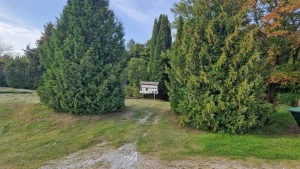
Based on observations during the visit, there is no convenient vehicle access directly to this small section. Part of the route must be covered on foot; visitors approaching from the opposite side of the road will need to cross it.
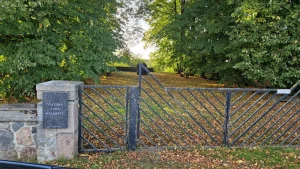
Improvement work was carried out here in 2018: the monument was restored to good condition, the fence was repaired, and the grounds and access road from the street to the memorial were partially improved. However, visitors should still take the access difficulties described above into account when planning a visit.
The Historic Siivertsi Cemetery Complex
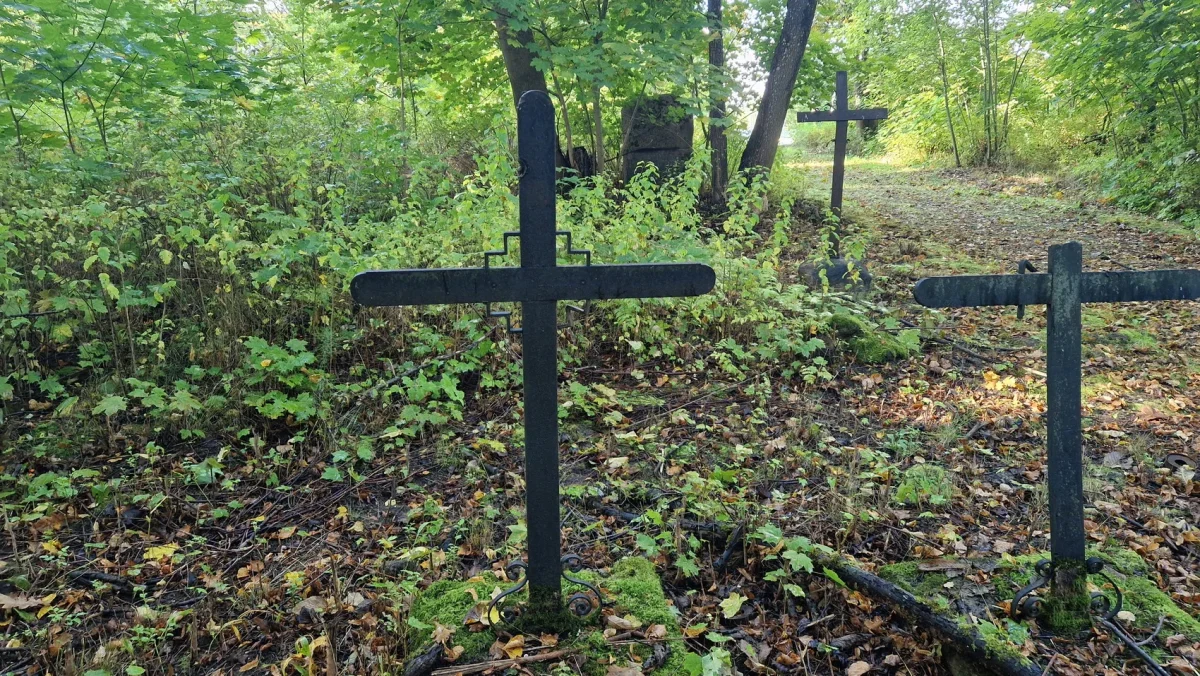
Siivertsi once contained a large complex of cemeteries belonging to different parishes and communities. Depending on how they are counted, the complex comprised approximately 16–18 cemeteries. These included sections belonging to the Lutheran Alexander, St. Peter’s and St. John’s parishes, the Finnish community and the Orthodox Resurrection parish, as well as Jewish, Muslim and military burial grounds.
The area’s name is associated with the small manor of Sievershausen and the surname of its owner, Sievers. Historical sources record the form Sievers in 1767, while in the 1920s the area was referred to as the village of Siversk.
Burials on a large scale in the Siivertsi complex ceased around the middle of the 20th century. In the post-war decades, many sections fell into neglect. Today, the surviving monuments and gravestones help reconstruct the history of Narva’s former residents and communities.
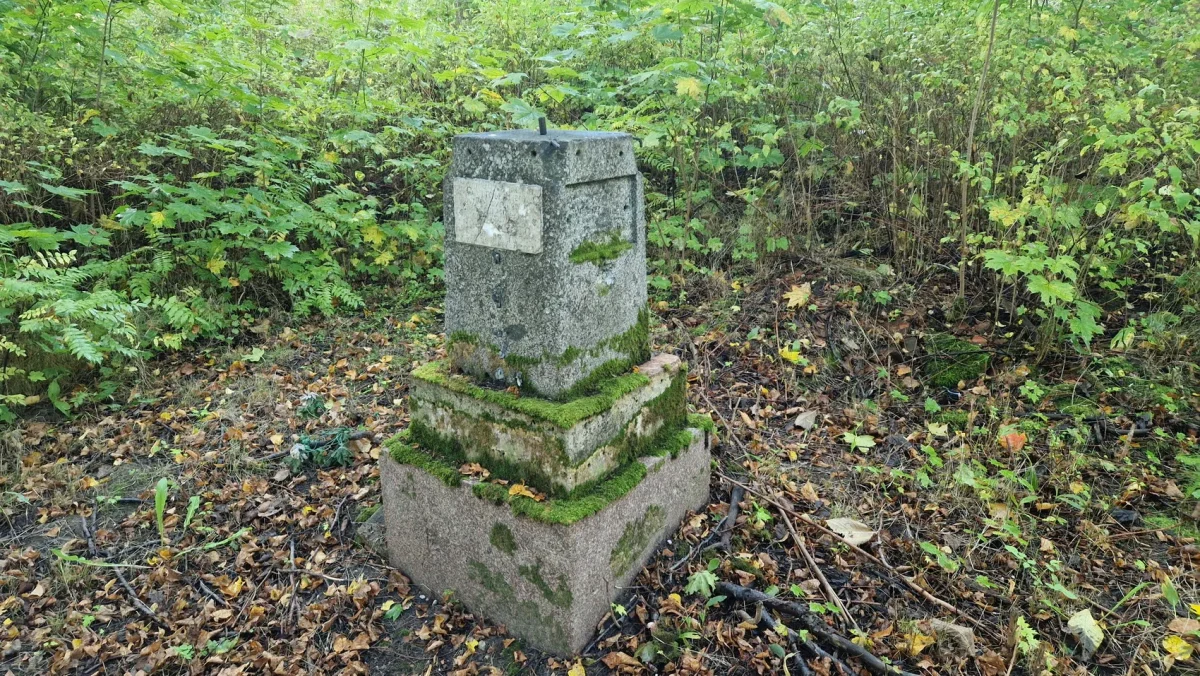
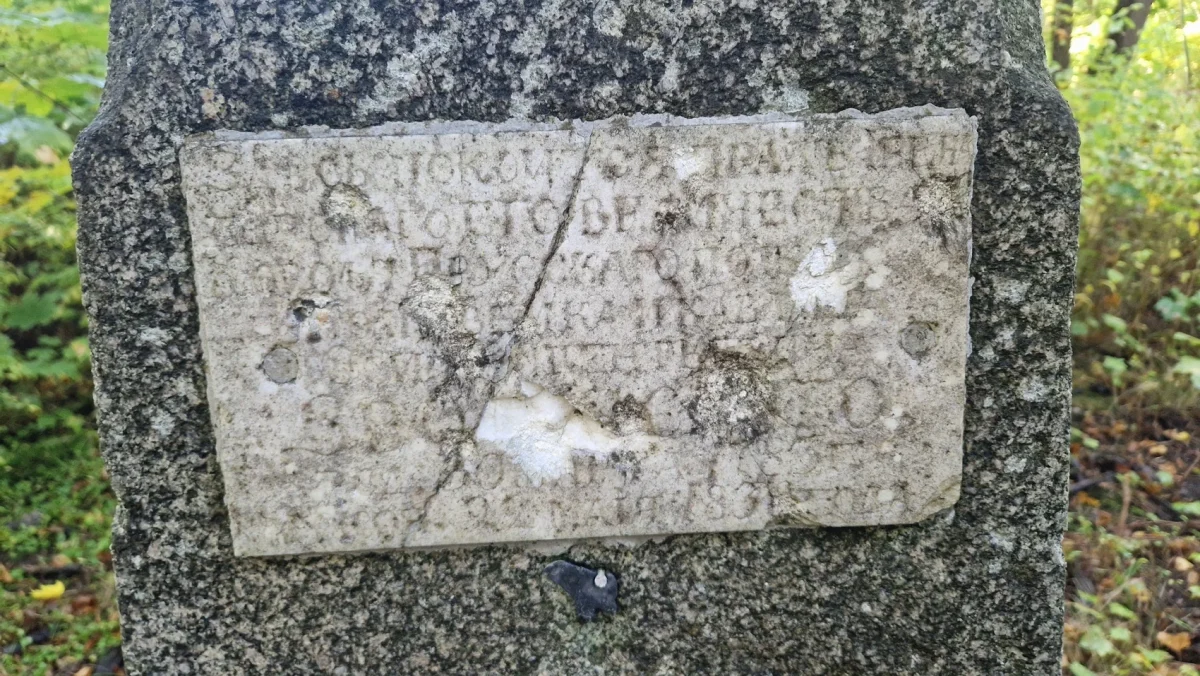
The plaque reads:
TO OUR HEROIC FOREBEARS
WHO FELL IN BATTLE
19 NOVEMBER 1700.THE PREOBRAZHENSKY LIFE GUARDS
AND SEMYONOVSKY LIFE GUARDS REGIMENTS
1ST BATTERY
1ST ARTILLERY BRIGADE
19 NOVEMBER 1900.
In modern wording: “To our heroic forebears who fell in battle on 19 November 1700. The Preobrazhensky and Semyonovsky Life Guards Regiments, the 1st Battery of the 1st Life Guards Artillery Brigade. 19 November 1900.”
The Latvian Memorial
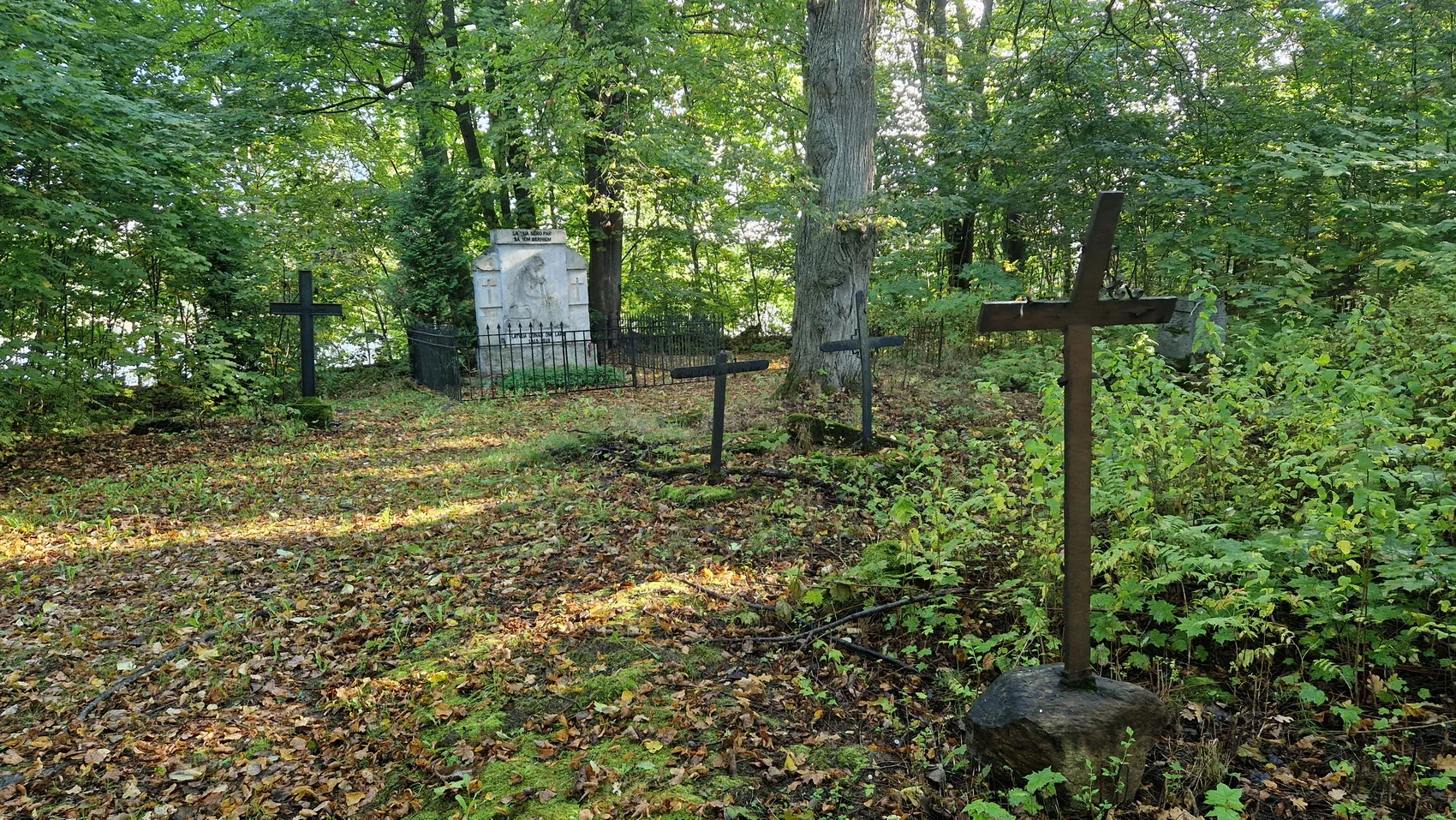
The main place of remembrance in this section is the mass grave of Latvian refugees. According to published information, more than thirty people are buried here. Between 1915 and 1919, refugees arrived in Narva to escape the war. Their fates were shaped by wartime hardship and the typhus epidemic that broke out in the town in 1919.
The monument over the burial site was erected in 1934. It was made from a boulder brought from the banks of the Daugava River. The stone depicts a grieving woman, and the inscription conveys the words: “Latvia mourns her children.”
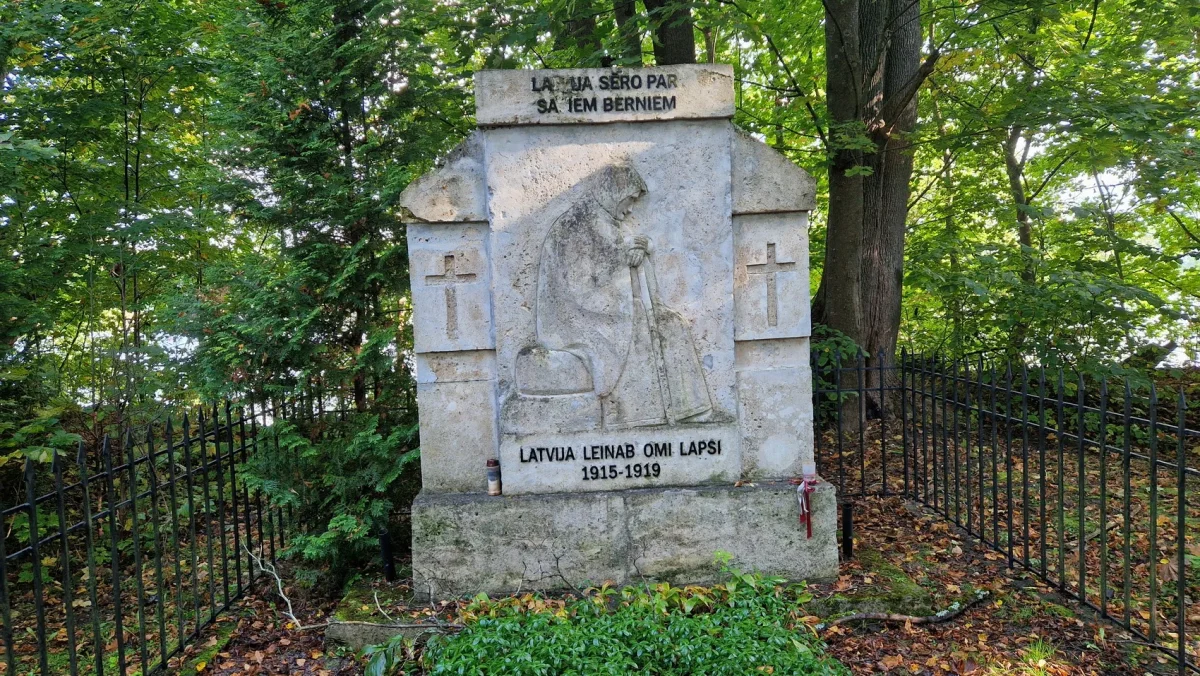
In 1970, the monument was partially damaged by vandals. Its restoration was initiated by the Latvian Society of Narva and the Lutheran community. The work was carried out by Narva stonemason Alexey Kolpakov. The restored monument was unveiled in 2004, seventy years after it was first erected.
Notable Burials in Historic St. John’s Cemetery
Materials about St. John’s Cemetery also mention other burials connected with Narva’s history. These materials do not establish the exact boundaries of the section marked as Siivertsi II on maps, so the graves listed below should be considered in the context of the historic cemetery.
Walter Shawcross (1837–1900)
A British specialist and the first technical director of the Kreenholm Manufacturing Company. Invited to Narva by Ludwig Knoop, he worked at the company from 1860 to 1892. The Narva Heritage Society reports that the ruins of his burial site survive in St. John’s Cemetery. A volunteer clean-up in his memory was organised here in May 2024.
The von Pott Family Burial Site
The von Pott family crypt stood near the Latvian Memorial. The surviving slab is associated with the burials of Maria Christina von Pott, who died in 1836, and her son Georg von Pott, who died in 1837.
Her husband and his father, Colonel of Engineers Heinrich August von Pott, studied and preserved the history of Narva. He himself is buried in the Volkovskoye Lutheran Cemetery in St. Petersburg.
Preserving Memories
The small section around the Latvian Memorial preserves the memory of people whom war brought to Narva, far from their homes. The neighbouring historic graves tell the story of the town’s development, its industry and the families who lived here in the 19th and early 20th centuries.
If you need help caring for a family burial plot in Narva, contact Angelio. Provide the cemetery name and the grave’s location, and attach photographs if possible — this will help us discuss the work required.