Siivertsi Cemetery III in Narva — History and the Grave of Amalie Kreisberg
Narva Siivertsi Cemetery III is a section of the historic Siivertsi cemetery complex in northern Narva. In this overview, the designation III refers to the area visited. Its history is connected with the city’s parishes and people whose lives formed part of the history of Narva and Kreenholm.
Location
The cemetery is located in the historic Siivertsi area of Narva. When searching for burial records, it is useful to consider the general name of the complex, Siivertsi kalmistu. Russian historical sources also use the name Sievershausen Cemetery.
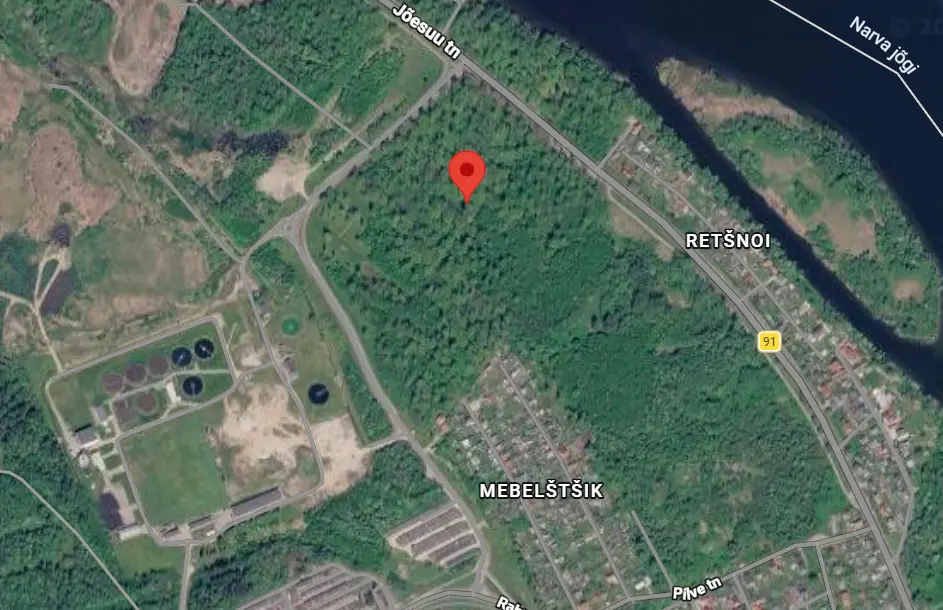
Access to the Cemetery
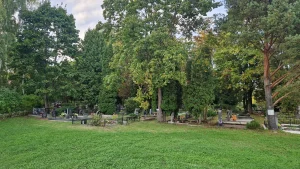
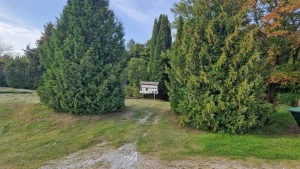
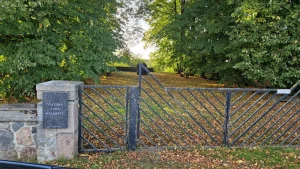
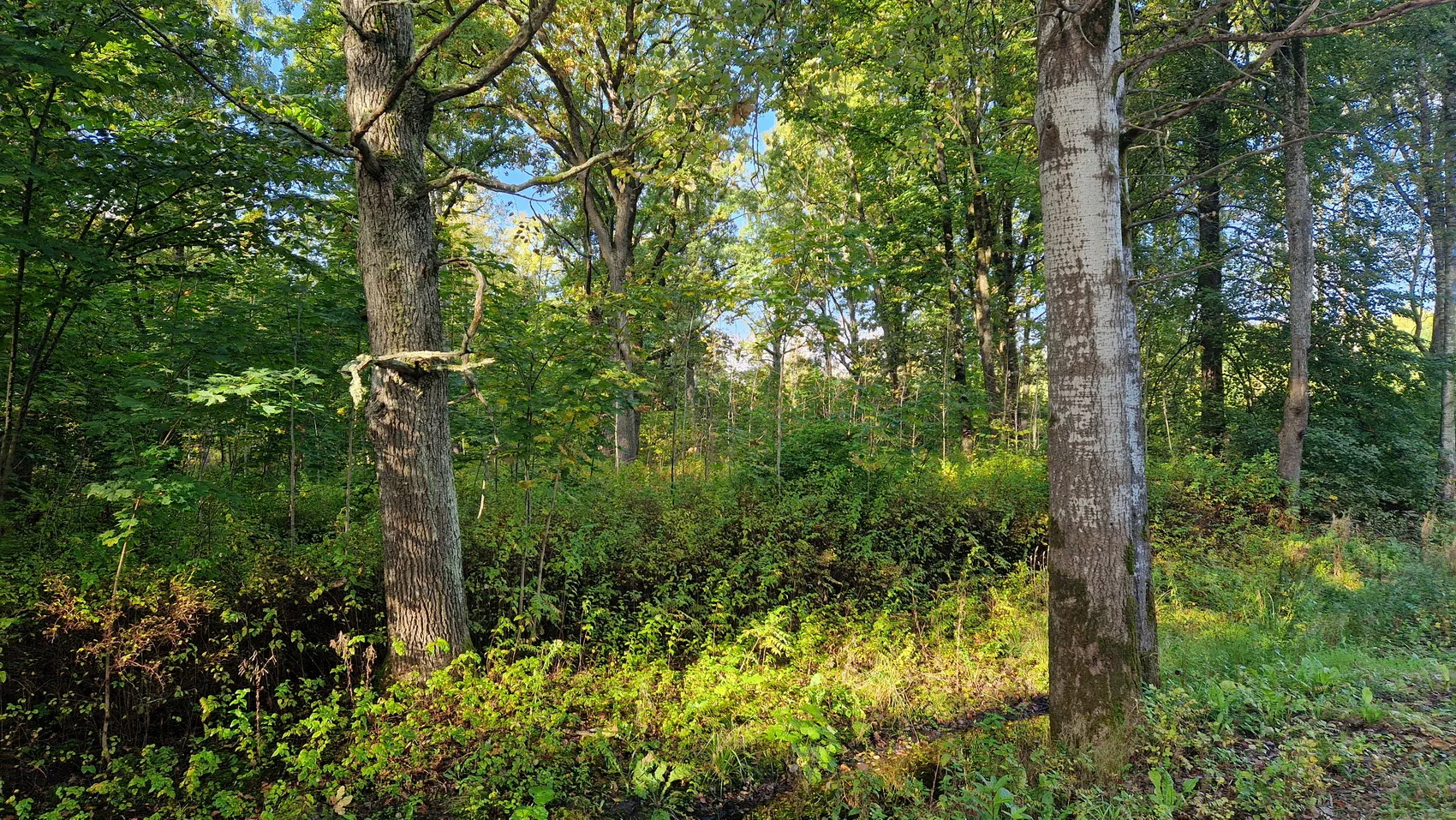
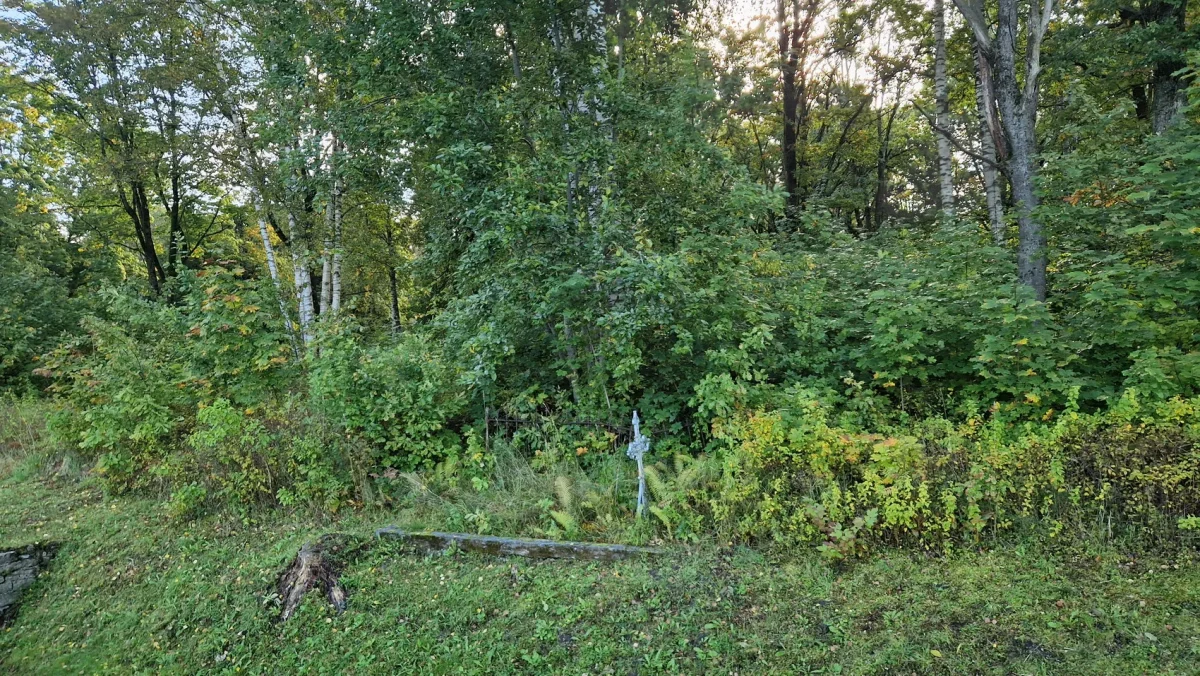
Observations during the visit suggest that the grounds are quite extensive, but there is no easy access route. Maples, oaks and dense shrubs have grown among the graves. In some places, the vegetation is almost impenetrable, so exploring the cemetery requires time and caution.
Buildings and Facilities
No established walking paths are visible here, and some of the surviving graves are hidden by vegetation.
History of the Siivertsi Complex
Cemeteries in the Siivertsi area began to develop in the 17th and 18th centuries. The Danish diplomat Just Juel, who visited Narva in 1709, left a written account of them. Following the 1772 ban on burials inside and around churches, cemeteries outside the city became more important, and Siivertsi became one of the main burial grounds for Narva’s Lutherans.
Over time, a complex of cemeteries belonging to different parishes and communities developed here. Each section had its own history, so early references to Siivertsi cannot be treated as the exact founding date of every individual part.
Wars and post-war changes greatly altered this area in the 20th century. Many graves were left without regular care, and the old paths gradually became overgrown. Individual headstones, crosses and memorials survive within the complex, helping trace the history of the city’s former residents.
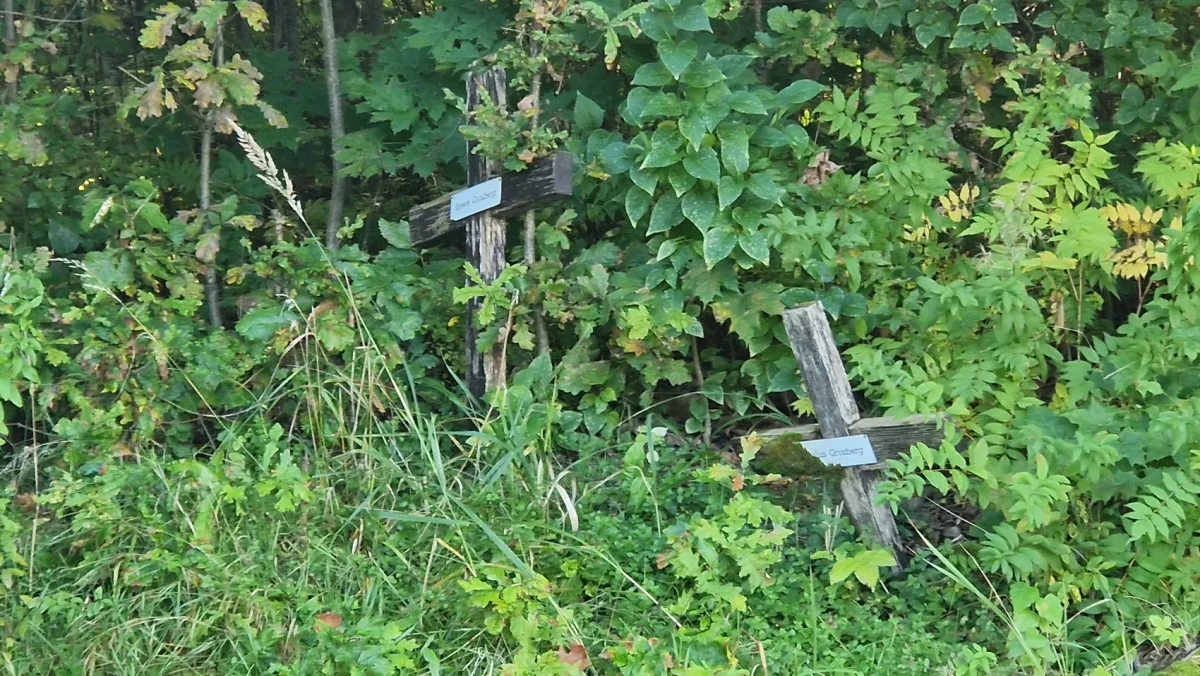
Amalie Elisabeth Kreisberg (1879–1906)
One of the notable graves in Siivertsi belongs to Amalie Elisabeth Kreisberg, a worker in the weaving department of the Kreenholm Manufacturing Company and a workers’ representative. Her name is associated with the struggle to improve working conditions at the factory.
In 1905, she took part in the labour movement during a strike whose demands included a shorter working day. Kreisberg was arrested in January 1906. She died in custody in Yamburg, now Kingisepp, at the age of 26.
In spring 2026, local volunteers tidied up her burial plot. As Narvskaya Gazeta reported on 21 April, Alexey Ivanov, Rene Abramson and Vladimir Vasin removed rubbish, cleaned the monument and stone edging, planted flowers and placed candles.
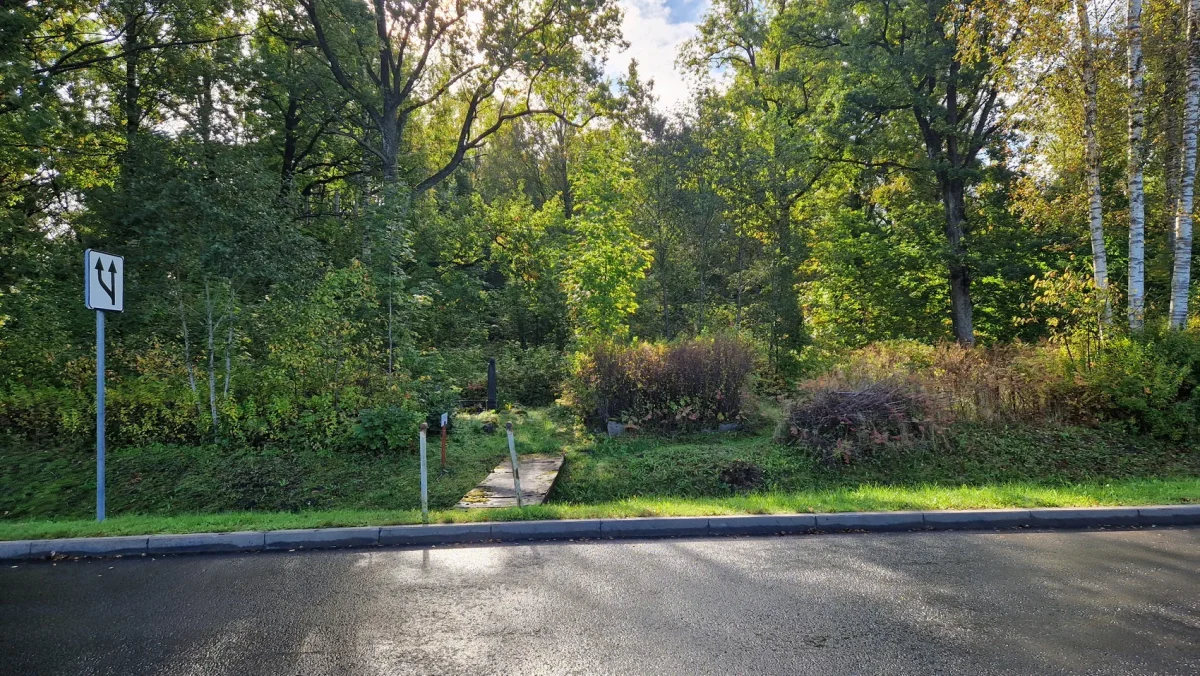
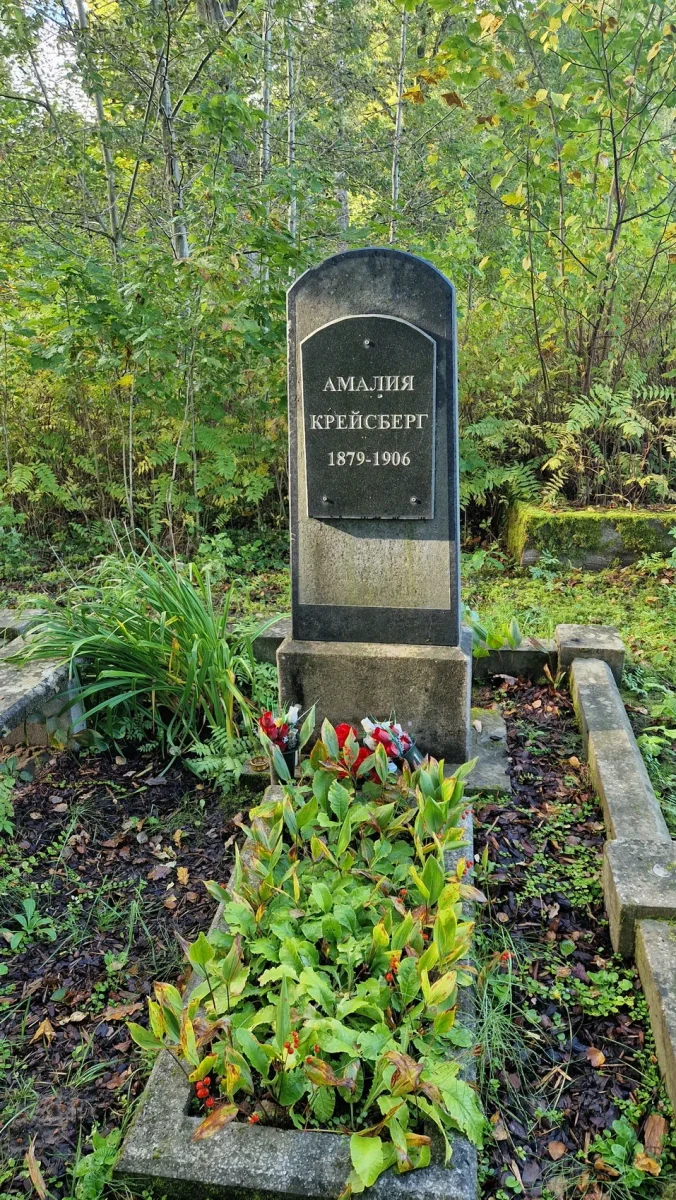
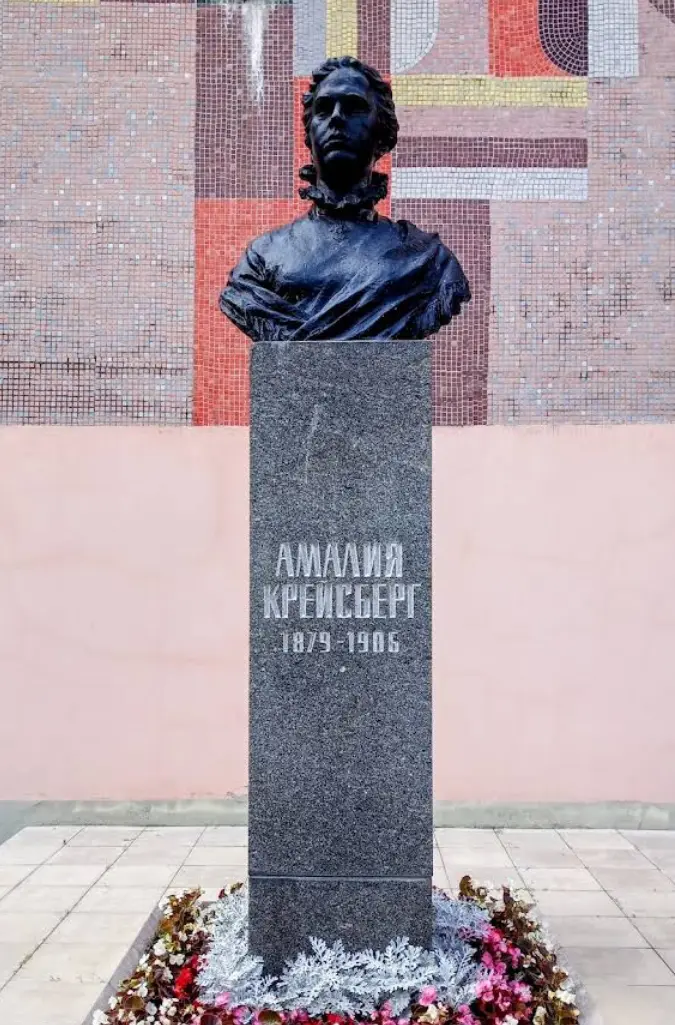
Her memory also lives on beyond the cemetery. A bust of her stands beside a mosaic panel near the former Kreenholm workers’ barracks at Joala 10/12 in Narva. The bust was created by the sculptor Nikolai Dydykin.
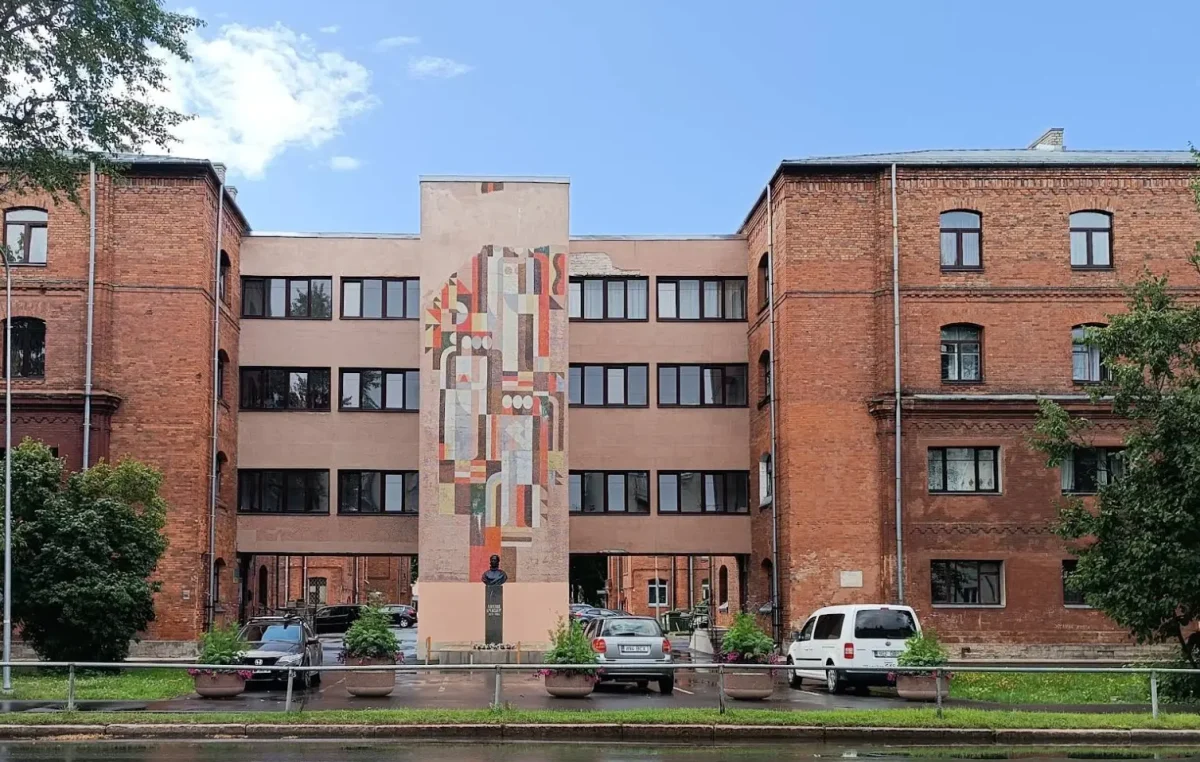
A library and a children’s club in the building that now houses the Narva Art Residency, NART, were named after her. The name of the residency’s Amalie cinema also reflects this history.
Preserving Historic Graves
The old graves of Siivertsi preserve the names of people connected with Narva’s industry, parishes and everyday life. The story of Amalie Kreisberg’s grave shows how the care of just a few people can restore a forgotten site to a tidy condition and make it easier to access.
If you need help finding a family burial plot or caring for a grave in Narva, contact Angelio. Provide the deceased’s first name and surname, the cemetery name and any known landmarks, and attach photographs if possible. This information will help us discuss the search and the work required.