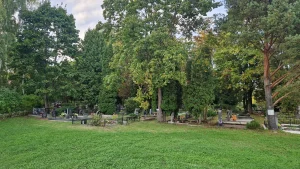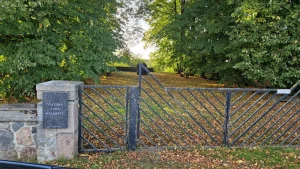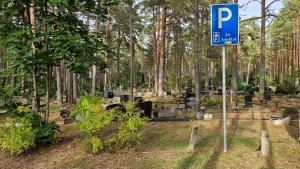
Vaivara New Cemetery is located near Sillamäe, on the outskirts of Sinimäe, in Narva-Jõesuu municipality, Ida-Viru County. Historic graves survive here, and one of its main historic landmarks is a memorial to Vaivara residents who fell in the War of Independence.
Location and access
Use the Estonian name Vaivara uus kalmistu when planning your route. This helps distinguish it from Vaivara Old Cemetery, Vaivara vana kalmistu, which is also in Sinimäe.
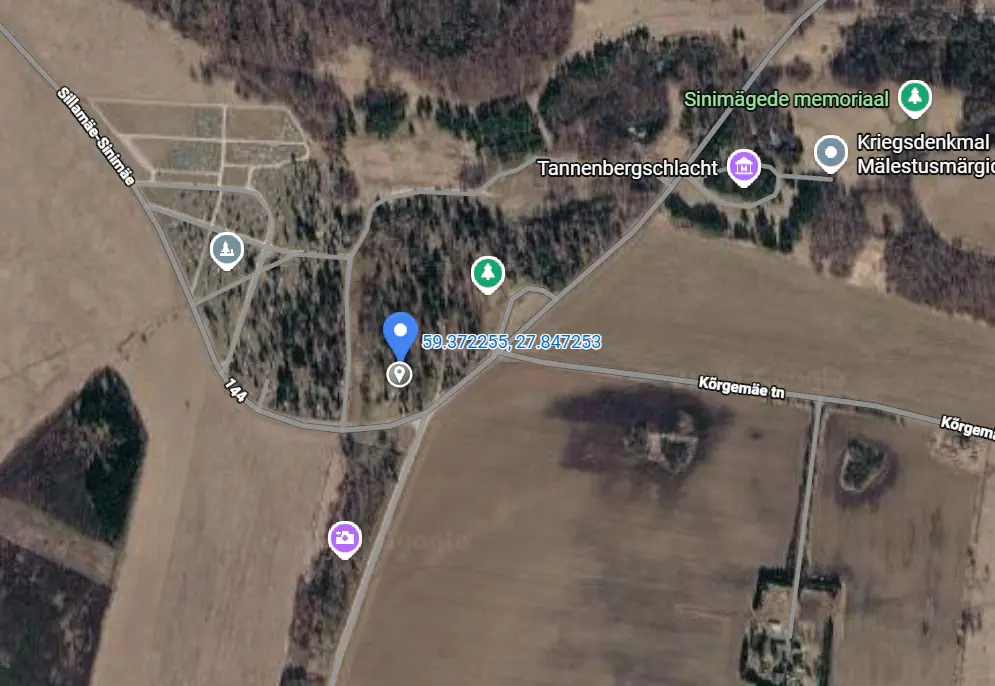
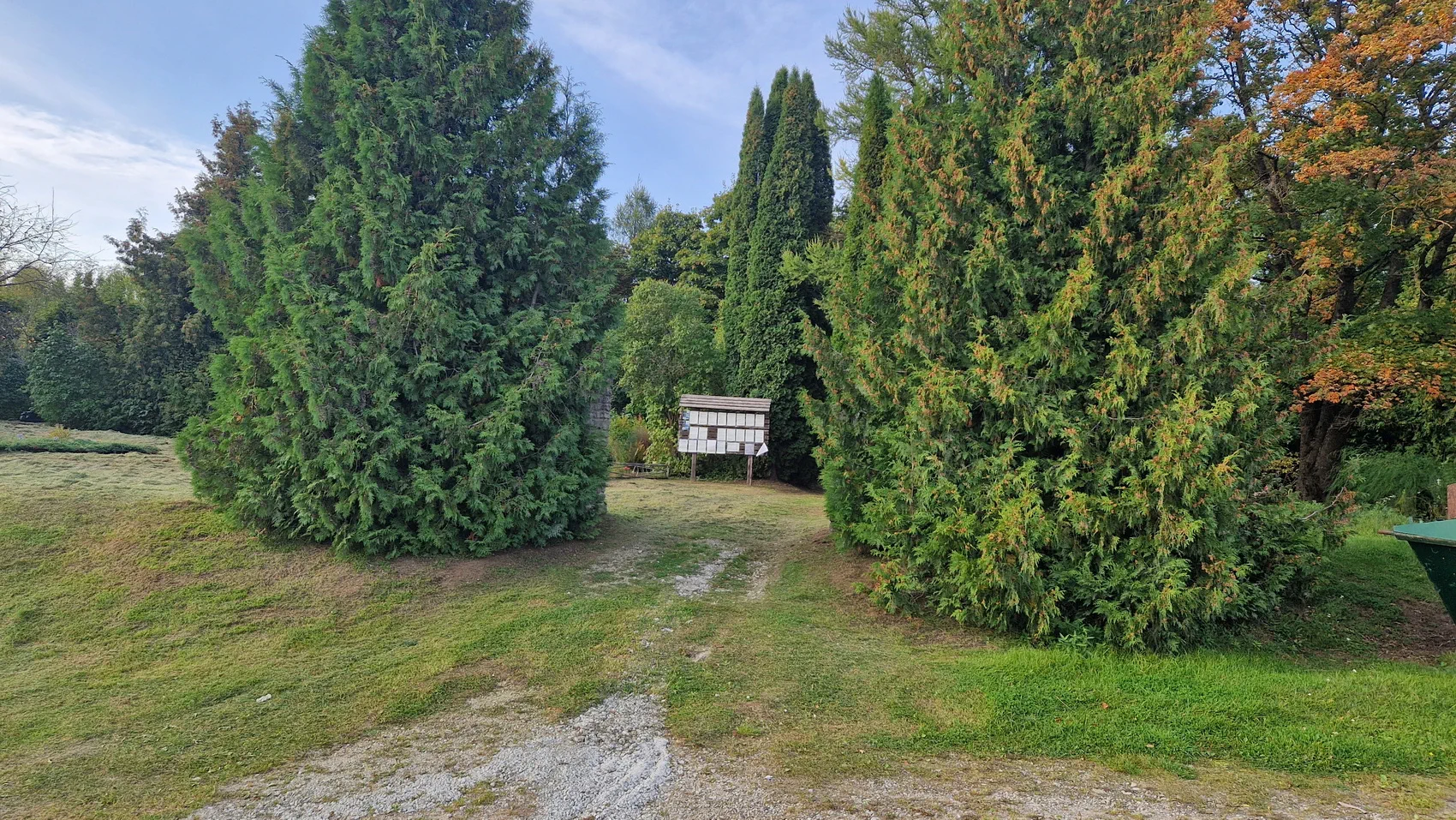
A single access road leads to the grounds. You can also enter on foot from the neighbouring cemetery. If you are visiting a particular grave, it is useful to check the plot’s location and how to reach it beforehand.
Why it is called the new cemetery
The cemetery north of the old road came into use in the early 20th century, when the previous cemetery began to run out of space. The name “new” reflects when it was established in relation to the old cemetery. Today, visitors can see graves dating back more than a hundred years.
The grounds and historic graves
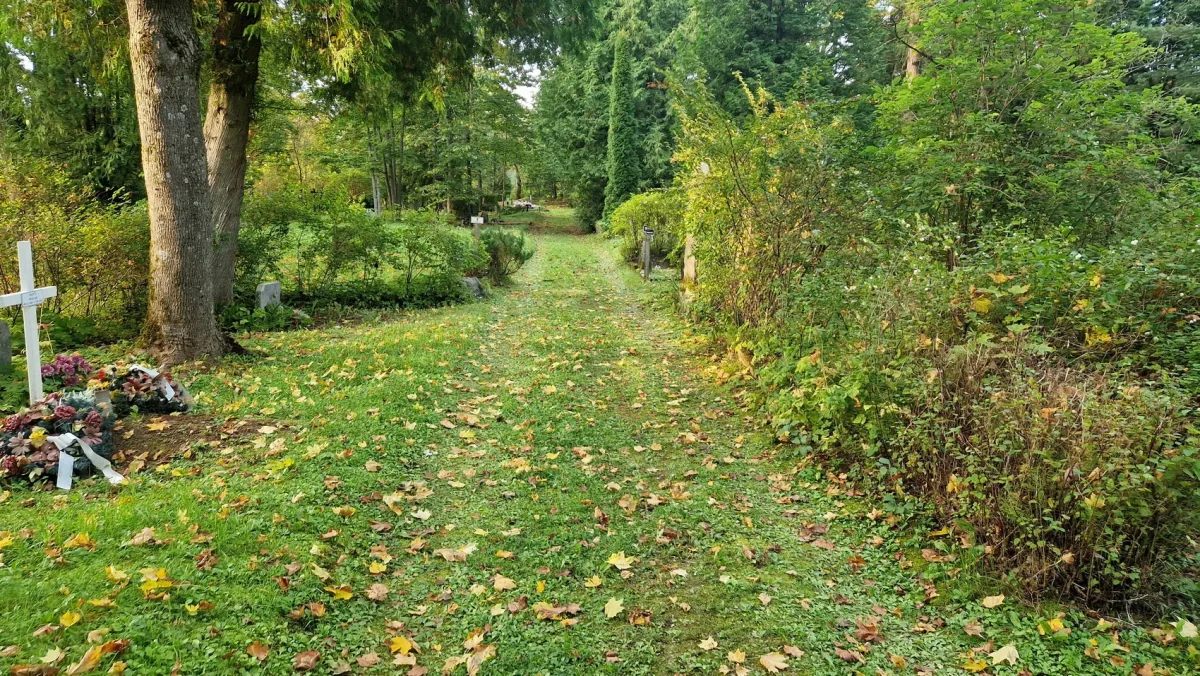
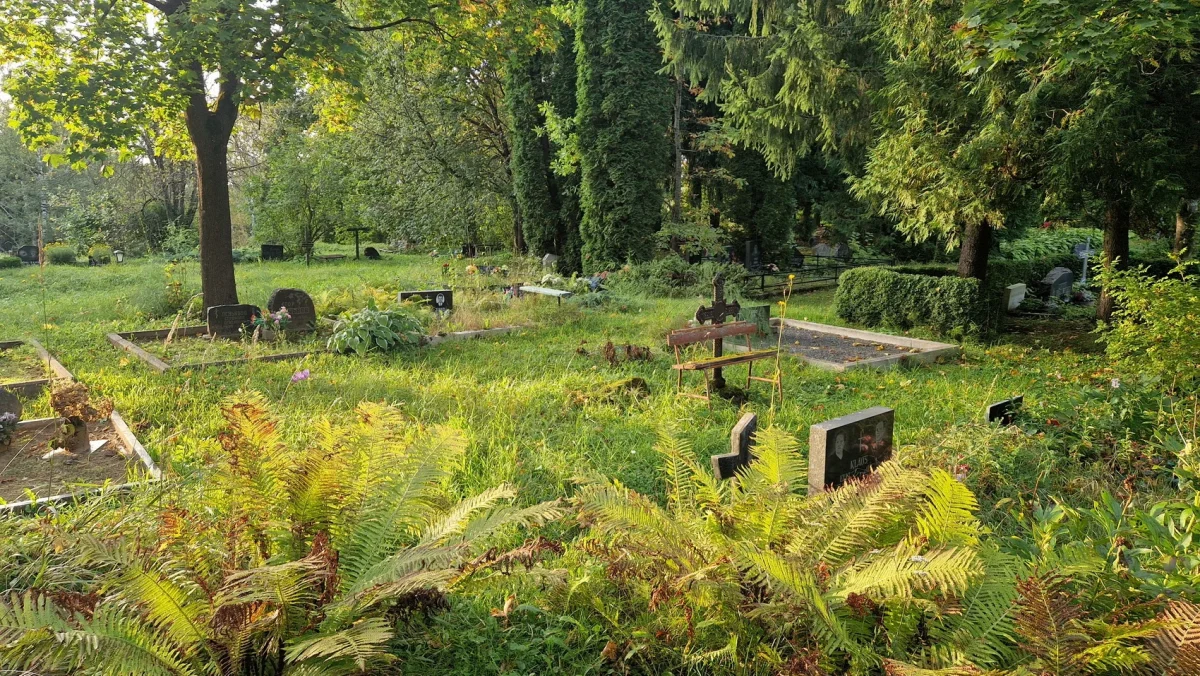
The cemetery feels spacious and peaceful. Many graves were well tended, and a considerable number of the older monuments were in good condition.
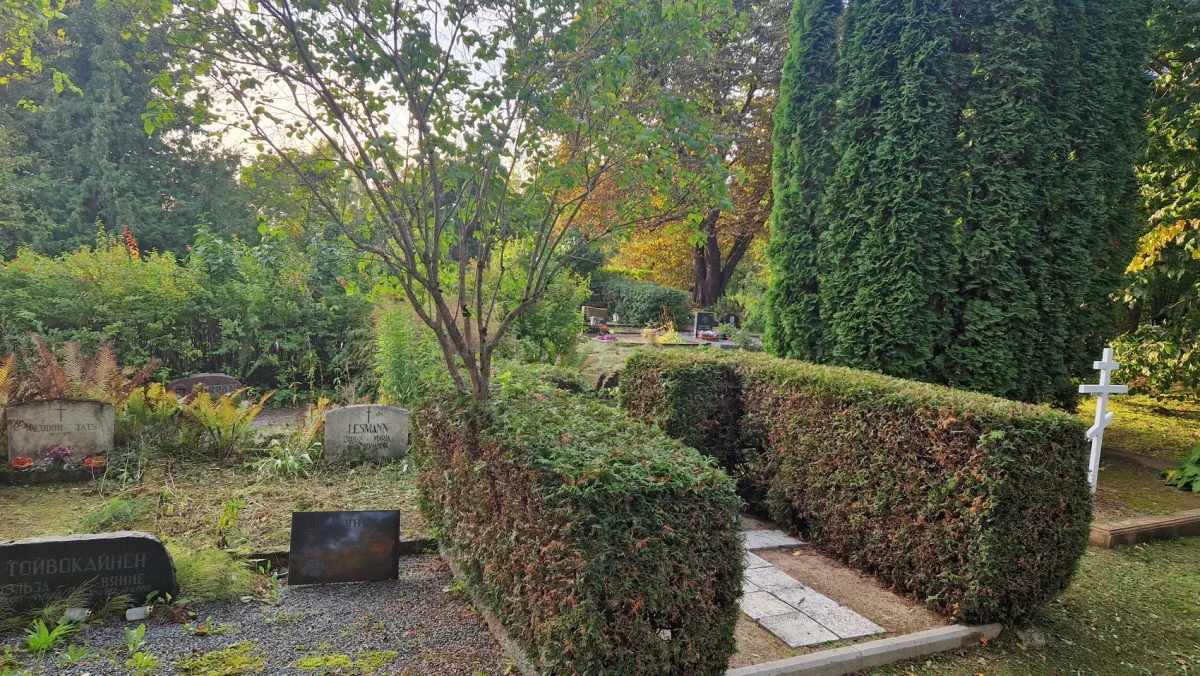
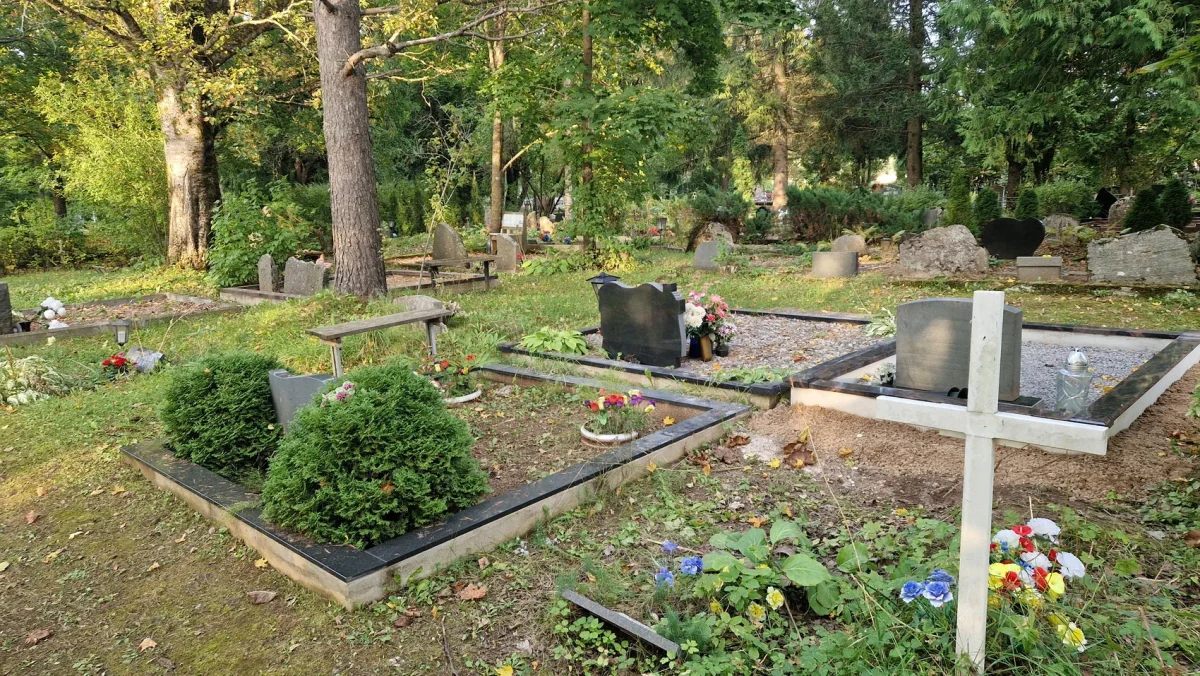
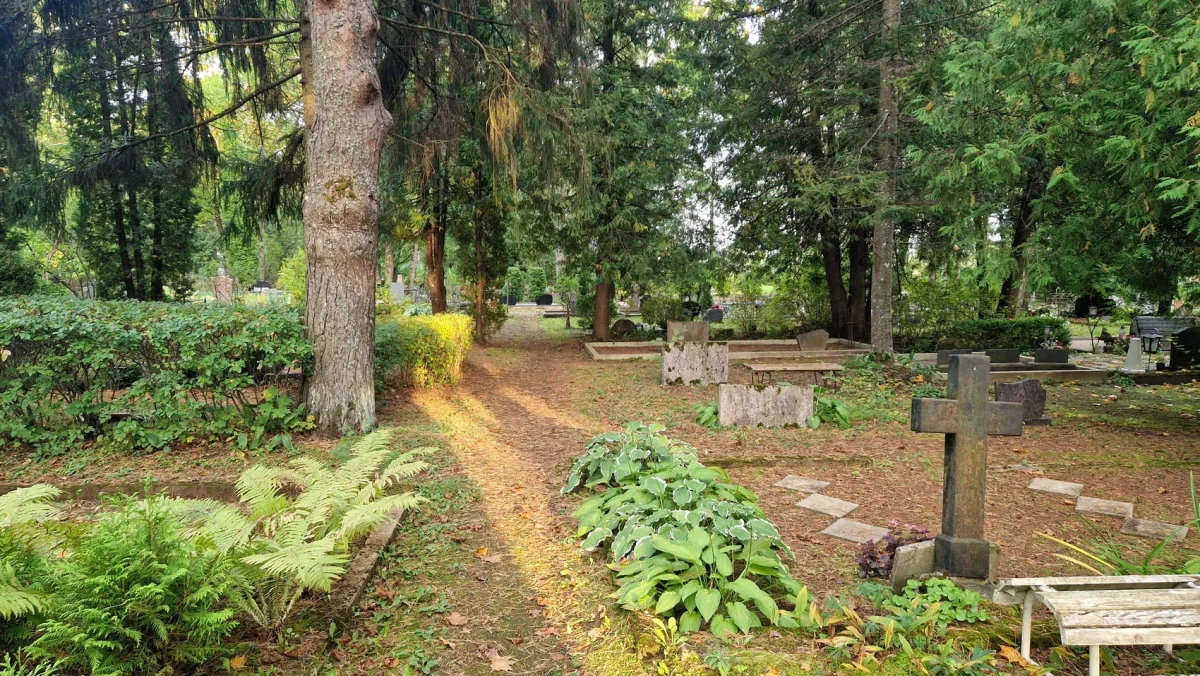
The historic headstones deserve a closer look. Their shapes, surviving inscriptions, names and dates tell the stories of local families. For those researching their relatives, these inscriptions may provide an additional source of information.
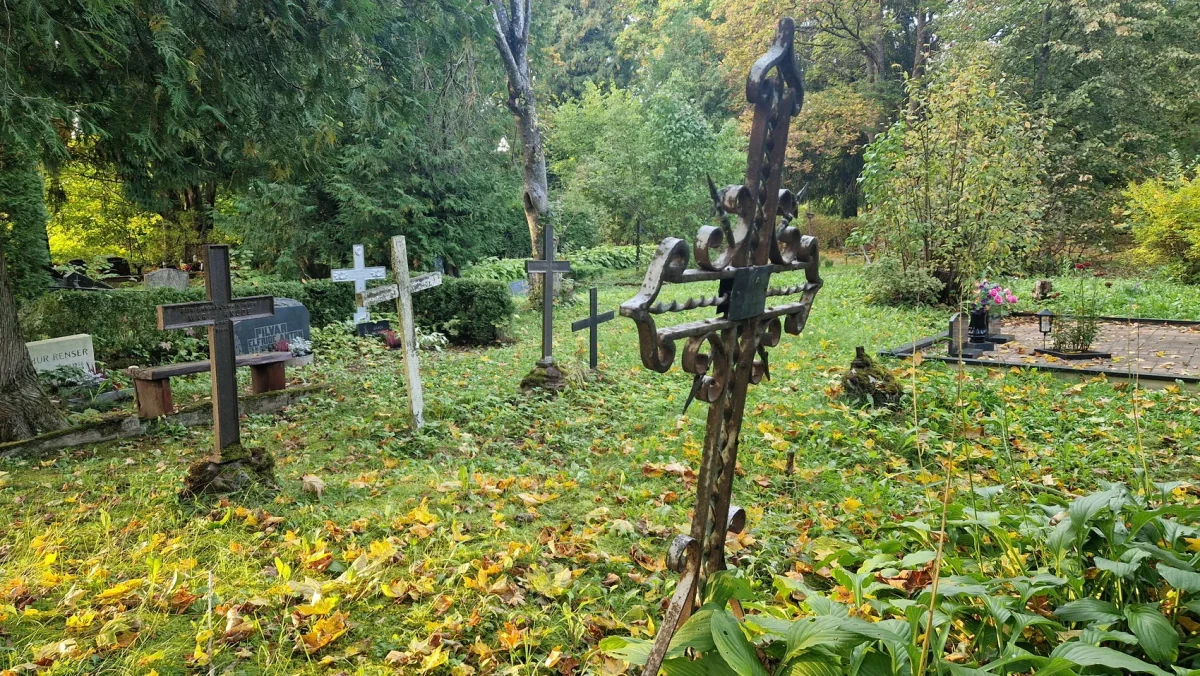
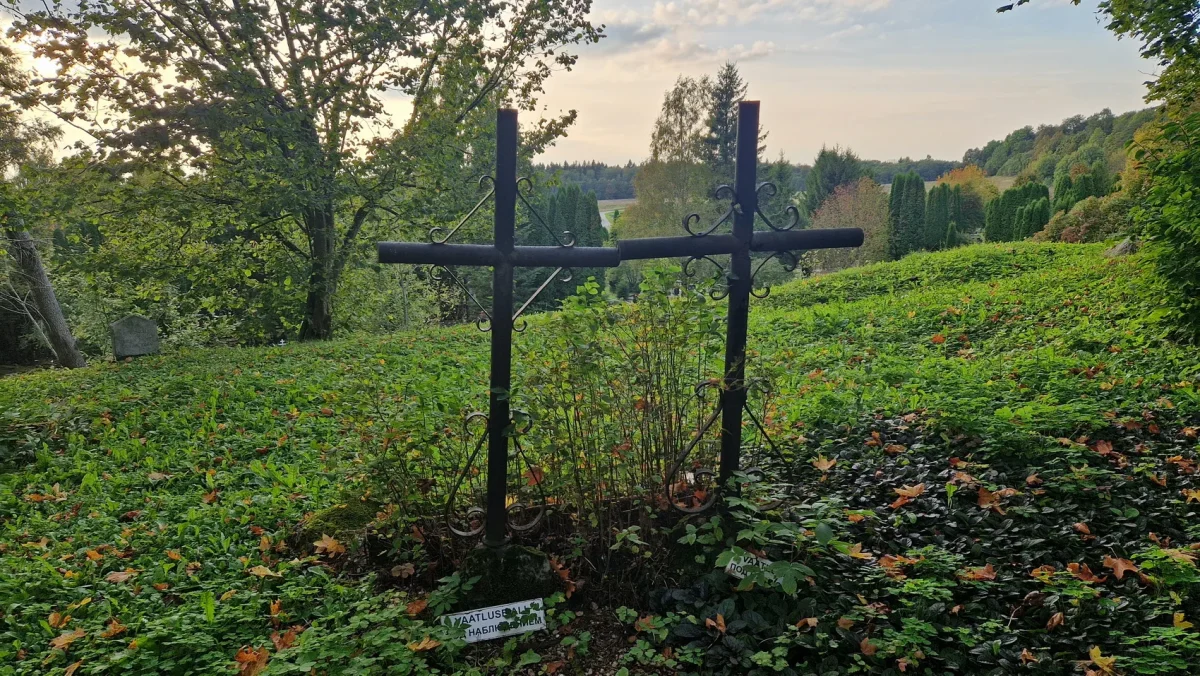
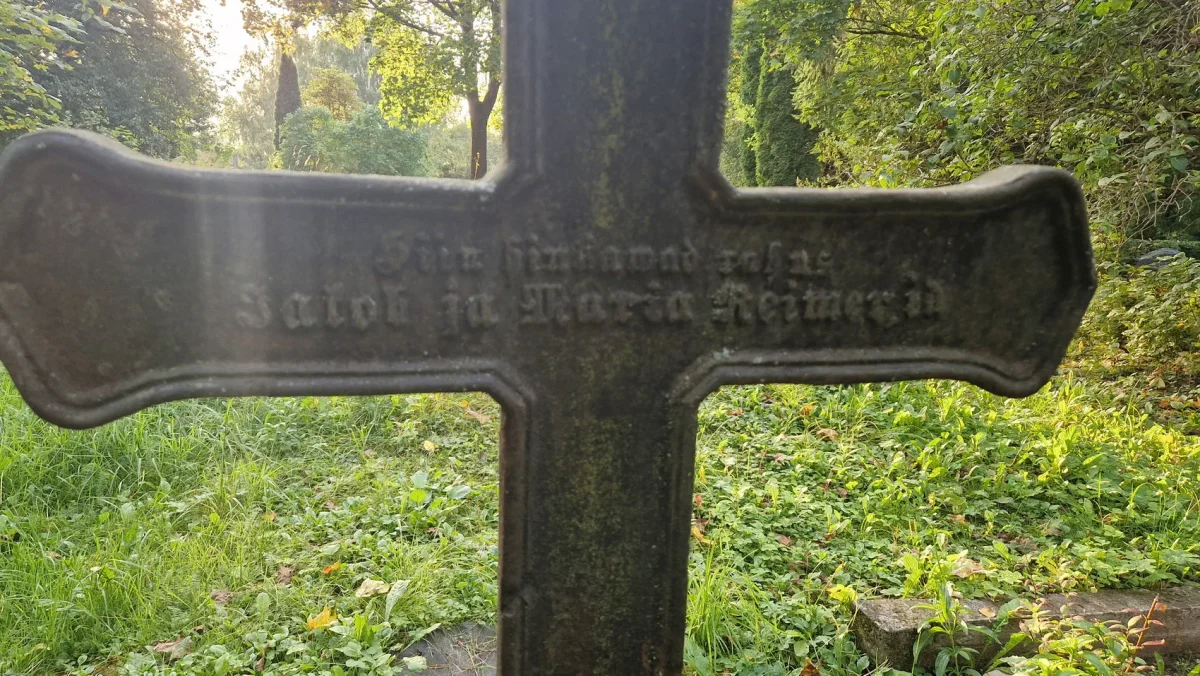
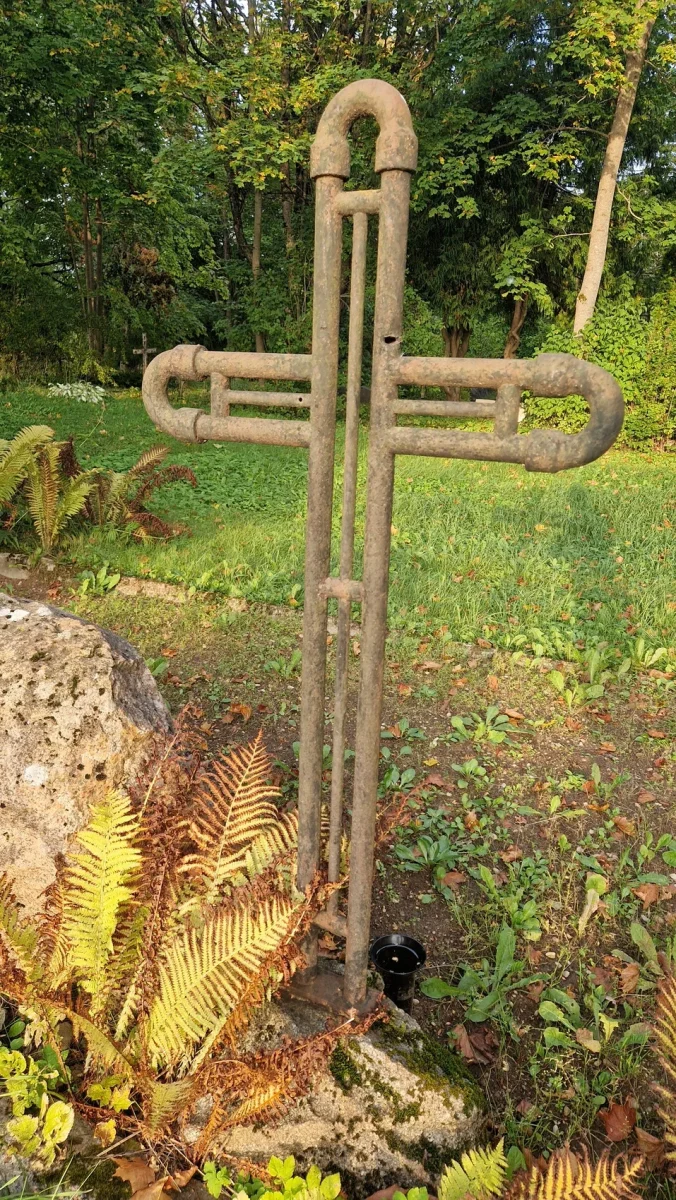
The top line on the second cross reads:
Siin hingawad rahus
“Here they rest in peace.”
Below it, the inscription appears to read:
Jakob ja Mari [surname illegible]
“Jakob and Mari [surname].”
The names cannot be read with confidence because of the blurring. Hingawad is an old spelling of the modern Estonian hingavad.
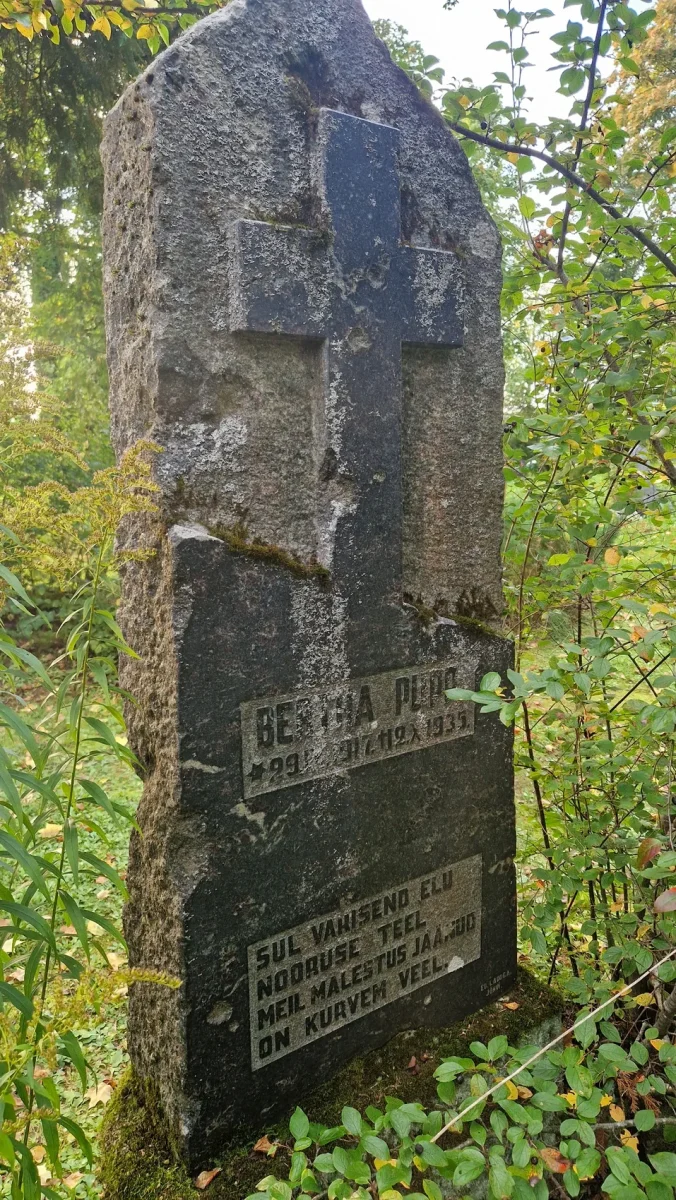
In the last photograph, the first name appears to be Berta, while the surname is partly covered by lichen. The years of birth and death are probably 1917–1939; the full dates cannot be read.
The epitaph in Estonian:
Sul varisend elu
nooruse teel.
Meil mälestus jäänud
on kurvem veel.
Its meaning is:
Your life was cut short in youth.
We are left with memories and deep sorrow.
At the bottom right is the signature Ed. Ladoo, Jõhvi, probably the monument maker’s name and the town of Jõhvi.
Memorial to those who fell in the War of Independence
The cemetery contains a memorial to Vaivara residents who fell in the Estonian War of Independence of 1918–1920. It was unveiled in 1924, destroyed in 1940 and restored in 1991. These dates are given by the Narva-Jõesuu tourism portal.
The memorial was designed by sculptor Voldemar Mellik. Made from Saaremaa dolomite, it is topped by a sculptural group depicting a father holding his dying son. Plaques on the sides of the base bear the names of 25 fallen residents of Vaivara.
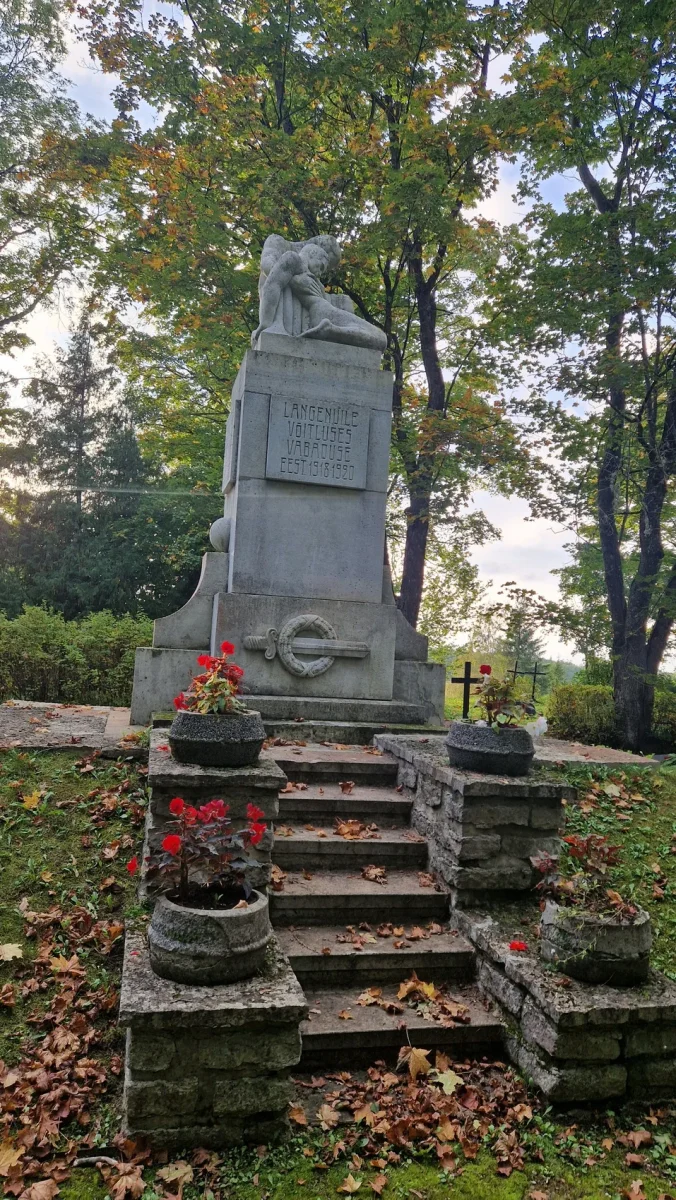
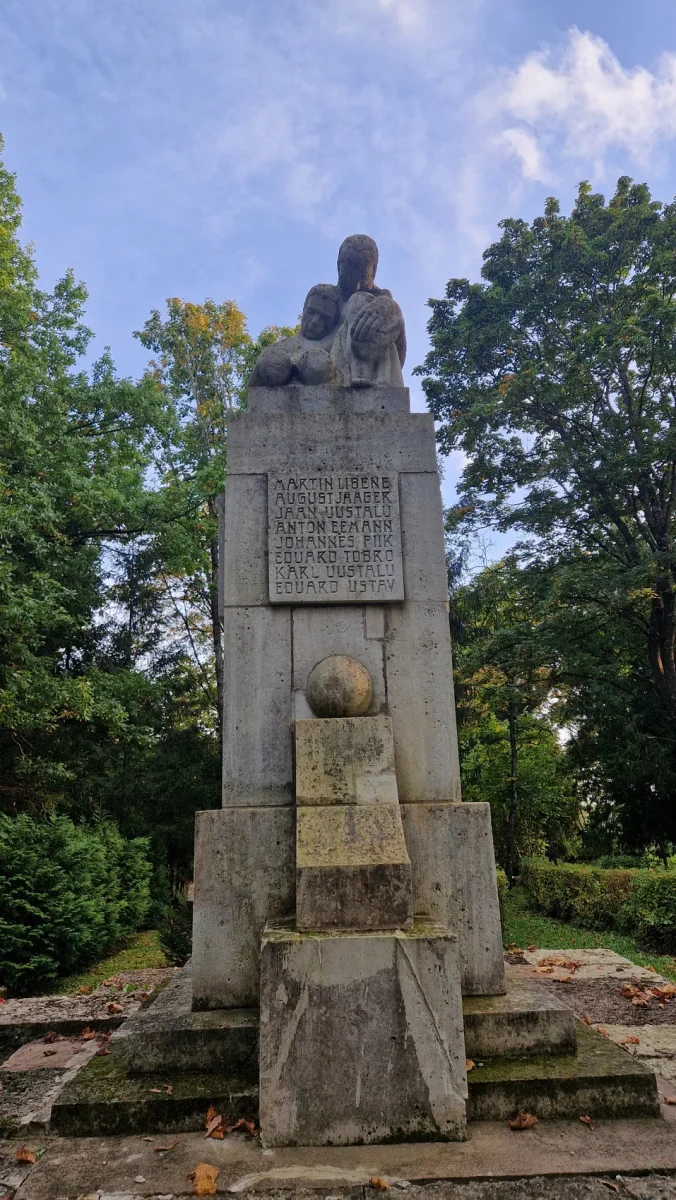
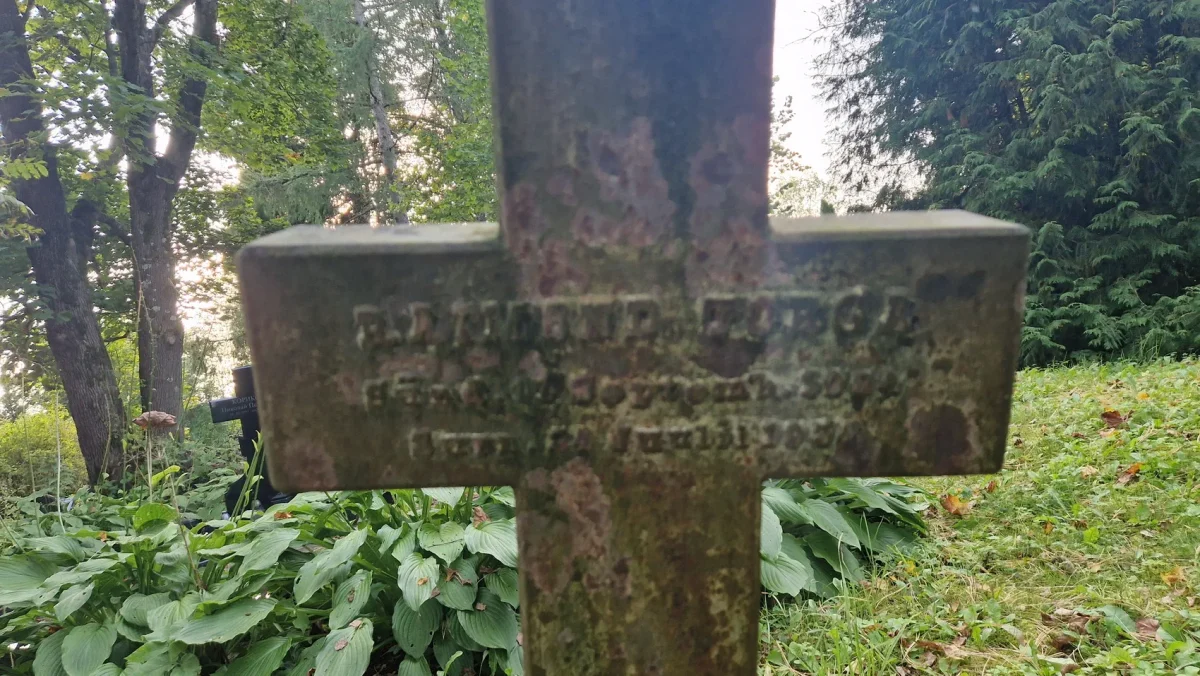
The inscription in the first photograph:
LANGENUILE
VÕITLUSES
VABADUSE
EEST. 1918–1920
Translation: “To those who fell in the struggle for freedom. 1918–1920.”
The memorial is protected by the state. Restoration work was carried out in 2023 with support from the National Heritage Board.
How to find a family grave
Before making an enquiry, gather the deceased’s first name and surname, approximate dates of birth and death, and information about relatives who may have been buried nearby. Old photographs of the headstone, documents and directions to the plot may also help. Be sure to specify that you mean Vaivara New Cemetery.
If you have been unable to locate a family grave yourself, Angelio can help review the available information and arrange an on-site search. Once the grave has been found, you will receive photographs. If needed, you can discuss grave plot cleaning and ongoing grave care.